1. Specifications Comparison
| Feature | Motorola Razr 40 Ultra | Xiaomi Redmi 14C | Practical Impact |
|---|---|---|---|
| Design | |||
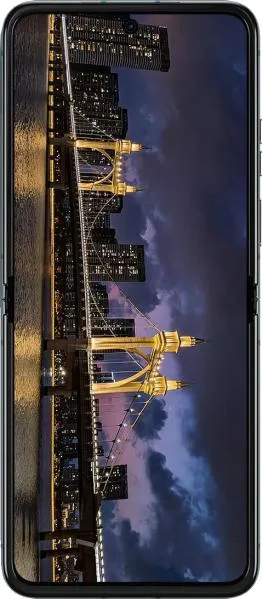
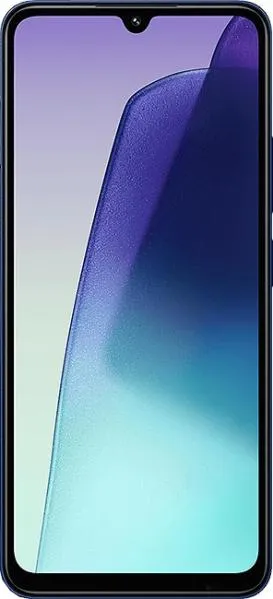
| Dimensions (mm) | 170.8 x 74 x 7 | 171.9 x 77.8 x 8.2 | Razr 40 Ultra is significantly thinner and more pocketable due to its foldable design. Redmi 14C is larger and thicker. |
| Weight (g) | 184.5 | 211 | Razr 40 Ultra is noticeably lighter. |
| Foldable | Yes | No | Razr 40 Ultra offers a compact folded state for portability. |
| Display | |||
| Display Type | Foldable LTPO AMOLED | IPS LCD | Razr 40 Ultra provides deeper blacks, more vibrant colors, and better power efficiency with its AMOLED display. The higher refresh rate (165Hz vs 120Hz) results in smoother animations and scrolling, especially noticeable in gaming and fast-paced UI interactions. |
| Size (inches) | 6.9 | 6.88 | Comparable screen sizes. |
| Resolution | 1080 x 2640 | 720 x 1640 | Razr 40 Ultra has a much sharper display (413 ppi vs 260 ppi), resulting in clearer text and images. |
| Refresh Rate (Hz) | 165 | 120 | Razr 40 Ultra offers smoother scrolling and animations. |
| Peak Brightness (nits) | 1400 | 600 (HBM) | Razr 40 Ultra will be significantly more visible in direct sunlight. |
| Performance | |||
| Chipset | Snapdragon 8+ Gen 1 | Helio G81 Ultra | Razr 40 Ultra boasts a significantly more powerful processor, enabling smoother multitasking, faster app loading, and better gaming performance. |
| CPU | Octa-core (1x3.19 GHz Cortex-X2 & 3x2.75 GHz Cortex-A710 & 4x1.80 GHz Cortex-A510) | Octa-core (2x2.0 GHz Cortex-A75 & 6x1.8 GHz Cortex-A55) | Razr 40 Ultra's CPU architecture is more modern and powerful. |
| GPU | Adreno 730 | Mali-G52 MC2 | Razr 40 Ultra offers significantly better graphics performance for demanding games and applications. |
| RAM | 8GB/12GB | 4GB/6GB/8GB | Razr 40 Ultra offers more RAM in its higher configurations, enabling better multitasking and preventing app closures in the background. |
| Camera | |||
| Main Camera | 12MP | 50MP | While Redmi 14C has higher resolution, Razr 40 Ultra's sensor likely uses larger pixels and superior optics (details missing), potentially offering better image quality in various conditions. |
| Video Recording | Up to 4K@60fps with HDR, EIS | 1080p@30fps | Razr 40 Ultra offers superior video recording capabilities with higher resolution, frame rate, and HDR support. |
| Battery | |||
| Capacity (mAh) | 3800 | 5160 | Redmi 14C has a significantly larger battery capacity, likely offering longer battery life. However, Razr 40 Ultra's more efficient display and processor might mitigate this difference to some extent. |
2. Key Differences Analysis
Motorola Razr 40 Ultra Advantages:
- Significantly more powerful: Superior performance in all aspects due to a flagship-level chipset.
- Higher quality display: Sharper, more vibrant, and smoother with a higher refresh rate and AMOLED technology.
- More premium and portable design: Foldable design for ultimate portability.
- Superior camera features: Higher quality video recording capabilities.
Xiaomi Redmi 14C Advantages:
- Larger battery capacity: Potentially longer battery life.
- Lower price: Significantly more affordable.
3. User Profiles & Recommendations
Motorola Razr 40 Ultra: Users who prioritize performance, portability, a premium design, and a top-tier display experience, and are willing to pay a premium for these features. Ideal for power users, content creators, and those who value a compact device.
Xiaomi Redmi 14C: Budget-conscious users who prioritize battery life and basic functionality over top-tier performance or a premium design. Suitable for casual users primarily focused on communication, social media, and light web browsing.
4. Decision Framework
Key Questions for Buyers:
- What is your budget? The Razr 40 Ultra is significantly more expensive.
- What are your performance needs? For demanding tasks and gaming, the Razr 40 Ultra is far superior.
- How important is portability and design? The Razr 40 Ultra's foldable design offers unmatched portability.
My Choice: Motorola Razr 40 Ultra
While the Redmi 14C offers excellent value for its price, the Motorola Razr 40 Ultra is the clear winner for me. The significantly superior performance, stunning display, and innovative foldable design outweigh the price difference and larger battery of the Redmi 14C. I value a smooth and responsive user experience, a high-quality display for media consumption, and the portability offered by the foldable form factor. While battery life is a consideration, I'm willing to compromise slightly in that area for the significant gains in other aspects. The Razr 40 Ultra is a device that pushes the boundaries of smartphone technology and offers a truly premium experience.
