1. Specifications Comparison
| Feature | Motorola Razr 40 Ultra | Xiaomi Redmi 13C 5G | Practical Impact |
|---|---|---|---|
| Design | |||
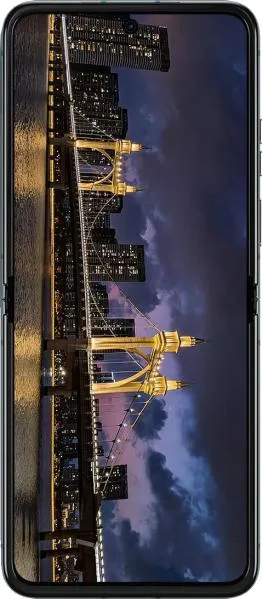
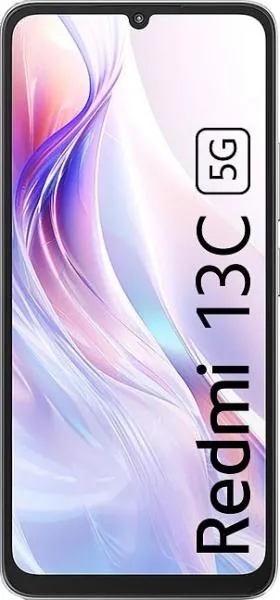
| Dimensions (mm) | 170.8 x 74 x 7 | 168 x 78 x 8.1 | Razr 40 Ultra significantly thinner due to foldable design; Redmi 13C wider and thicker. Razr more pocketable when folded, but thicker when unfolded. |
| Weight (g) | 184.5 | 192 | Razr 40 Ultra lighter despite complex folding mechanism. |
| Foldable | Yes | No | Razr offers a larger screen in a smaller form factor when folded. |
| Display | |||
| Display Type | Foldable LTPO AMOLED | IPS LCD | Razr boasts superior contrast, deeper blacks, and potentially better power efficiency with LTPO. Redmi's IPS LCD is a more standard technology. |
| Size (inches) | 6.9 | 6.74 | Comparable screen sizes, but Razr's foldability changes usability. |
| Resolution | 1080 x 2640 | 720 x 1600 | Razr offers much sharper visuals due to higher resolution. Redmi's display will appear noticeably pixelated. |
| Refresh Rate (Hz) | 165 | 90 | Razr provides a smoother, more responsive user experience, especially in gaming and scrolling. |
| Performance | |||
| Chipset | Snapdragon 8+ Gen 1 | Dimensity 6100+ | Razr significantly more powerful, enabling demanding tasks and gaming. Redmi suitable for everyday use but may struggle with heavy workloads. |
| CPU | Octa-core (1x3.19 GHz X2 & 3x2.75 GHz A710 & 4x1.80 GHz A510) | Octa-core (2x2.2 GHz A76 & 6x2.0 GHz A55) | Razr's CPU architecture and clock speeds provide a substantial performance advantage. |
| GPU | Adreno 730 | Mali-G57 MC2 | Razr's GPU offers significantly better graphics performance for gaming and visually intensive applications. |
| RAM (GB) | 8/12 | 4/6/8 | Razr offers more RAM in some variants, enhancing multitasking and overall performance. |
| Camera | |||
| Main Camera (MP) | 12 | 50 | While Redmi boasts higher megapixel count, Razr's larger sensor size (unspecified but likely larger given the higher-end nature) and wider aperture (f/1.5) likely result in better low-light performance and depth of field. |
| Video Recording | Up to 4K@60fps with HDR, EIS | 1080p@30fps | Razr offers superior video recording capabilities with higher resolution, frame rate, and HDR support. |
| Battery | |||
| Capacity (mAh) | 3800 | 5000 | Redmi offers a larger battery capacity, potentially resulting in longer battery life. However, Razr's LTPO display and more efficient chipset could mitigate this difference. |
2. Key Differences Analysis
Motorola Razr 40 Ultra Advantages:
- Form Factor: Foldable design for portability and larger screen real estate.
- Superior Display: Higher resolution, refresh rate, and AMOLED technology for a vibrant and smooth visual experience.
- Flagship Performance: Powerful chipset and ample RAM for demanding tasks and gaming.
- Advanced Camera Features: Wider aperture and potentially larger sensor on the main camera, along with higher quality video recording capabilities.
Xiaomi Redmi 13C 5G Advantages:
- Larger Battery: Higher capacity for potentially longer battery life.
- Lower Price: Significantly more affordable.
3. User Profiles & Recommendations
Motorola Razr 40 Ultra: Ideal for users who prioritize portability, a large screen, top-tier performance, and a premium design. Suitable for power users, content creators, and those who value a unique form factor.
Xiaomi Redmi 13C 5G: Best suited for budget-conscious users who prioritize basic functionality, long battery life, and reliable connectivity. Ideal for casual users who primarily use their phone for communication, social media, and light web browsing.
4. Decision Framework
Key Questions for Buyers:
- Budget: How much are you willing to spend?
- Performance Needs: Do you require high performance for demanding tasks or gaming?
- Form Factor Preference: Do you value portability and a unique design or a traditional smartphone form factor?
Scenario-Based Recommendations:
- Limited Budget, Basic Needs: Redmi 13C 5G
- Power User, Premium Experience: Razr 40 Ultra
- Portability and Style Focused: Razr 40 Ultra
- Long Battery Life Priority: Redmi 13C 5G (although real-world usage needs to be considered)
My Choice: Motorola Razr 40 Ultra
While the Redmi 13C offers excellent value for its price, the Razr 40 Ultra aligns better with my personal preferences and use case. I value the cutting-edge technology, the innovative foldable design, the superior display, and the powerful performance. The higher price is justified for the significant jump in quality and user experience. The compact size when folded is a huge advantage for portability, and the larger screen when unfolded is excellent for media consumption and productivity. While battery life is a concern, I'm willing to compromise slightly in this area for the overall superior package offered by the Razr.
