1. Specifications Comparison
| Feature | Motorola Razr 40 Ultra | Xiaomi Redmi 13C | Practical Impact |
|---|---|---|---|
| Design | |||
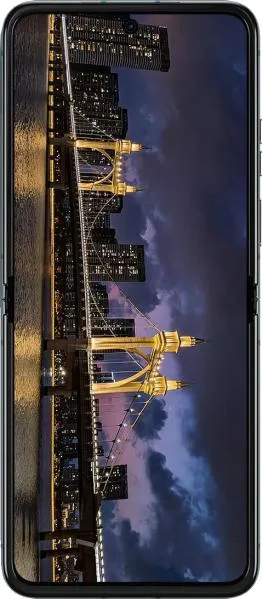
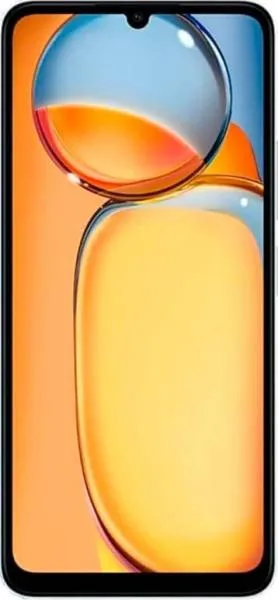
| Dimensions (mm) | 170.8 x 74 x 7 | 168 x 78 x 8.1 | Razr 40 Ultra significantly thinner and slightly taller when unfolded. Redmi 13C is wider. Razr's foldability offers portability advantage. |
| Weight (g) | 184.5 | 192 | Razr 40 Ultra is lighter despite the complex folding mechanism. |
| Foldable | Yes | No | Razr's foldable design offers unique portability and a larger screen in a compact form factor. |
| Display | |||
| Display Type | Foldable LTPO AMOLED | IPS LCD | Razr boasts superior contrast, deeper blacks, and potentially better power efficiency with AMOLED and LTPO. Redmi's IPS LCD is a more basic technology. |
| Size (inches) | 6.9 | 6.74 | Similar screen sizes, but the Razr's foldability makes it more compact when closed. |
| Resolution | 1080 x 2640 | 720 x 1600 | Razr offers significantly sharper visuals (413 ppi vs 260 ppi), resulting in crisper text and images. |
| Refresh Rate (Hz) | 165 | 90 | Razr offers a much smoother experience for scrolling and gaming with its higher refresh rate. |
| Performance | |||
| Chipset | Snapdragon 8+ Gen 1 | Helio G85 | Razr's flagship Snapdragon chip provides significantly faster performance for demanding tasks and gaming. Redmi's Helio G85 is a budget-oriented chip. |
| CPU | Octa-core (1x3.19 GHz Cortex-X2 & 3x2.75 GHz Cortex-A710 & 4x1.80 GHz Cortex-A510) | Octa-core (2x2.0 GHz Cortex-A75 & 6x1.8 GHz Cortex-A55) | Razr's CPU architecture is more powerful and efficient. Noticeable difference in speed and multitasking. |
| GPU | Adreno 730 | Mali-G52 MC2 | Razr's GPU offers superior graphics performance for gaming and visually intensive applications. |
| RAM (GB) | 8/12 | 4/6/8 | Razr offers more RAM in its higher configurations, improving multitasking and overall system responsiveness. |
| Camera | |||
| Main Camera (MP) | 12 | 50 | While Redmi boasts higher megapixels, Razr's larger sensor size (unspecified but likely larger given the price range and overall specs) and wider aperture (f/1.5) likely result in better low-light performance and depth of field. |
| Selfie Camera (MP) | 32 | 5 | Razr has a significantly higher resolution selfie camera. |
| Video Recording | Up to 4K@60fps with HDR, EIS | 1080p@30fps | Razr offers higher resolution and frame rate video recording capabilities with HDR for better dynamic range and EIS for smoother footage. |
| Battery | |||
| Capacity (mAh) | 3800 | 5000 | Redmi has a significantly larger battery capacity, potentially offering longer battery life. Razr's smaller battery is likely due to space constraints from the foldable design. |
2. Key Differences Analysis
Motorola Razr 40 Ultra Advantages:
- Foldable Design: Unique form factor, enhanced portability.
- Superior Display: Sharper, smoother, and more vibrant AMOLED with a higher refresh rate.
- Flagship Performance: Significantly faster processor and graphics for demanding tasks and gaming.
- Higher Resolution Selfie Camera: Better quality for video calls and self-portraits.
- Advanced Video Capabilities: 4K recording with HDR and EIS.
Xiaomi Redmi 13C Advantages:
- Larger Battery Capacity: Potentially longer battery life.
- Lower Price: Significantly more affordable.
Trade-offs:
- Razr sacrifices battery capacity for its foldable design and powerful components.
- Redmi compromises performance, display quality, and camera features for affordability.
3. User Profiles & Recommendations
Motorola Razr 40 Ultra: Ideal for users who prioritize portability, a premium experience, and cutting-edge technology, and are willing to pay a premium. Use cases include:
- Professionals who need a powerful device in a compact form factor.
- Content creators who value high-quality cameras and a vibrant display.
- Tech enthusiasts who want the latest innovations.
Xiaomi Redmi 13C: Suitable for budget-conscious users who prioritize basic functionality and long battery life. Use cases include:
- Students or casual users with light usage patterns.
- Individuals primarily using their phone for communication and social media.
- Users in search of a reliable secondary device.
4. Decision Framework
Key Questions for Buyers:
- Budget: How much are you willing to spend?
- Priorities: What features are most important to you (portability, performance, battery life, camera quality)?
- Usage: How will you primarily use your phone (work, gaming, media consumption, basic communication)?
Scenario-Based Recommendations:
- Limited Budget, Basic Needs: Redmi 13C
- Prioritize Portability and Premium Experience: Razr 40 Ultra
- Heavy User Requiring Power and Multitasking: Razr 40 Ultra
- Long Battery Life is Crucial: Redmi 13C (but consider potential performance limitations)
My Choice: Motorola Razr 40 Ultra
While the Redmi 13C offers excellent value for its price, I would choose the Motorola Razr 40 Ultra. The foldable design, significantly superior display and performance, and advanced camera features are compelling for my usage. I prioritize portability and a smooth, premium user experience. I am willing to accept the trade-off of slightly reduced battery life for the benefits the Razr offers. The Snapdragon 8+ Gen 1 ensures future-proofing for demanding applications, and the higher refresh rate display is crucial for a fluid user experience. While the price is higher, the Razr 40 Ultra offers a significant upgrade in overall quality and capabilities.
