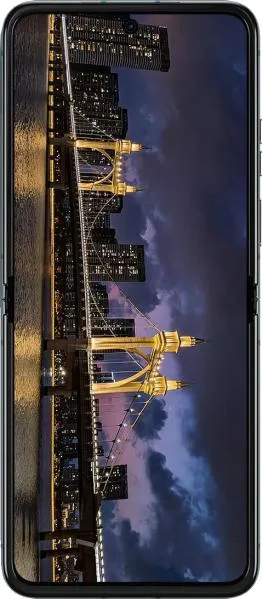
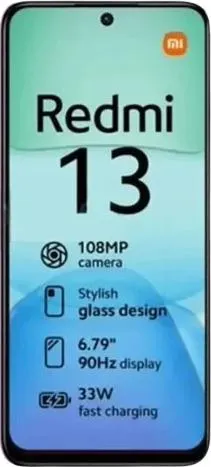
1. Specifications Comparison
| Feature | Motorola Razr 40 Ultra | Xiaomi Redmi 13 | Practical Impact |
|---|---|---|---|
| Design | |||
| Dimensions (mm) | 170.8 x 74 x 7 | 168.6 x 76.3 x 8.3 | Razr 40 Ultra significantly thinner when folded, more pocketable; Redmi 13 larger overall. |
| Weight (g) | 184.5 | 205 | Razr 40 Ultra noticeably lighter, more comfortable for extended use. |
| Foldable | Yes | No | Razr 40 Ultra offers compact portability when folded, larger screen when unfolded. Redmi 13 is a traditional slab phone. |
| Display | |||
| Display Type | Foldable LTPO AMOLED | IPS LCD | Razr 40 Ultra: deeper blacks, vibrant colors, power efficiency; Redmi 13: good color accuracy, less vibrant. |
| Size (inches) | 6.9 | 6.79 | Comparable screen real estate; Razr offers a more immersive experience due to the AMOLED technology and foldable design. |
| Resolution (px) | 1080 x 2640 | 1080 x 2460 | Similar sharpness; Razr 40 Ultra's taller aspect ratio better for scrolling. |
| Refresh Rate (Hz) | 165 | 90 | Razr 40 Ultra: smoother animations, scrolling, and gaming; Redmi 13: still smooth, but less responsive. |
| Performance | |||
| Chipset | Snapdragon 8+ Gen 1 | MediaTek Helio G91 Ultra | Razr 40 Ultra: significantly faster CPU and GPU, better for demanding tasks and gaming; Redmi 13: sufficient for everyday use, but not for heavy gaming. |
| RAM (GB) | 8/12 | 6/8 | Razr 40 Ultra: better multitasking, smoother performance with more demanding apps; Redmi 13: can handle moderate multitasking. |
| OS | Android 13 | Android 14 | Both offer modern Android features; Redmi 13 ships with a newer OS version out of the box. Long-term software updates are uncertain for both. |
| Camera | |||
| Main Camera (MP) | 12 | 108 | Redmi 13 boasts higher resolution; image quality depends on sensor size, processing, which is not fully detailed. |
| Video Capabilities | Up to 4K@60fps with HDR, EIS | 1080p@30fps | Razr 40 Ultra: superior video recording capabilities in resolution, frame rate, and stabilization. |
| Battery | |||
| Capacity (mAh) | 3800 | 5030 | Redmi 13 significantly larger battery capacity; real-world battery life depends on usage and optimization, which is not directly comparable from this data. |
2. Key Differences Analysis
Motorola Razr 40 Ultra Advantages:
- Premium Foldable Design: Compact portability and a larger screen when needed.
- Superior Performance: Significantly faster processor for demanding tasks and gaming.
- Higher-Quality Display: AMOLED technology with a faster refresh rate for a smoother, more vibrant visual experience.
- Better Video Recording: Higher resolution and frame rate options with improved stabilization.
Xiaomi Redmi 13 Advantages:
- Lower Price: Significantly more affordable.
- Larger Battery Capacity: Potentially longer battery life.
- Newer Android Version: Ships with Android 14 out of the box.
Trade-offs:
- Razr 40 Ultra: Higher price, smaller battery capacity, potentially shorter battery life.
- Redmi 13: Less powerful performance, lower quality display, less versatile camera.
3. User Profiles & Recommendations
Motorola Razr 40 Ultra: Users who value portability, a premium design, top-tier performance, and a great multimedia experience. Ideal for professionals, content creators, and those who want the latest technology.
Xiaomi Redmi 13: Budget-conscious users who prioritize battery life and basic smartphone functionality. Suitable for everyday tasks like browsing, social media, and communication. Good for users who are not heavy gamers or power users.
4. Decision Framework
Key Questions for Buyers:
- Budget: How much are you willing to spend?
- Priorities: What features are most important to you (e.g., portability, performance, battery life)?
- Use Cases: How will you primarily use your phone (e.g., gaming, content creation, basic communication)?
Scenario-Based Recommendations:
- Limited Budget, Basic Needs: Redmi 13 offers excellent value.
- Power User, Premium Experience: Razr 40 Ultra is the clear choice.
- Portability and Style Focused: Razr 40 Ultra's foldable design is compelling.
My Choice: Motorola Razr 40 Ultra
While significantly more expensive, the Motorola Razr 40 Ultra aligns better with my personal preferences and perceived needs. The foldable design is innovative and solves the problem of wanting a large screen for media consumption while maintaining pocketability. The superior performance ensures a smooth and lag-free experience for demanding tasks and future-proofs the device. The AMOLED display offers a noticeably better visual experience compared to the Redmi 13's LCD. While the battery capacity is smaller, I prioritize performance and portability over potentially slightly longer battery life. The compromises on battery are acceptable considering the significant gains in other areas. The Redmi 13 is a solid budget option, but the Razr 40 Ultra offers a significant leap in user experience that justifies the higher price for me.
