1. Specifications Comparison
| Feature | Motorola Razr 40 Ultra | Xiaomi Redmi 12 5G | Practical Impact |
|---|---|---|---|
| Design | |||
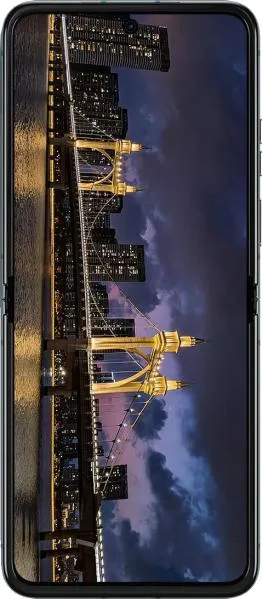
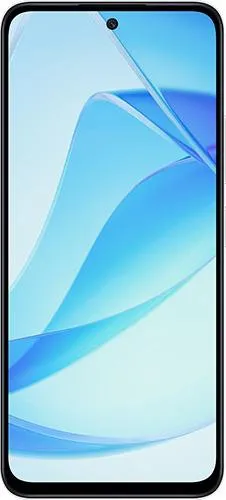
| Form Factor | Foldable | Standard | Razr 40 Ultra offers a compact folded size for portability, but adds complexity and potential durability concerns. |
| Dimensions (mm) | 170.8 x 74 x 7 | 168.6 x 76.3 x 8.2 | Razr 40 Ultra is significantly thinner when unfolded but taller overall. Redmi 12 5G is thicker but potentially feels more robust in hand. |
| Weight (g) | 184.5 | 199 | Razr 40 Ultra is lighter despite the folding mechanism. |
| Display | |||
| Display Type | Foldable LTPO AMOLED | IPS LCD | Razr 40 Ultra provides superior contrast, deeper blacks, and potentially better power efficiency with LTPO. Redmi 12 5G's IPS LCD is a more standard technology. |
| Refresh Rate (Hz) | 165 | 90 | Razr 40 Ultra offers smoother scrolling and animations. |
| Peak Brightness (nits) | 1400 | 550 (Unspecified) | Razr 40 Ultra will be significantly more visible in direct sunlight. |
| Performance | |||
| Chipset | Snapdragon 8+ Gen 1 | Snapdragon 4 Gen 2 | Razr 40 Ultra boasts significantly higher performance for demanding tasks and gaming. Redmi 12 5G is designed for everyday use. |
| CPU | Octa-core (1x3.19 GHz X2 & 3x2.75 GHz A710 & 4x1.80 GHz A510) | Octa-core (2x2.2 GHz A78 & 6x1.95 GHz A55) | Razr 40 Ultra's CPU offers superior processing power and speed. |
| GPU | Adreno 730 | Adreno 613 | Razr 40 Ultra provides much better graphics performance for gaming and visually intensive applications. |
| RAM (GB) | 8 | 4/6/8 (Variant Dependent) | The table compares an 8GB Razr against various Redmi 12 configurations. Higher RAM generally improves multitasking. |
| Camera | |||
| Main Camera (MP) | 12 | 50 | While Redmi 12 5G has higher megapixel count, image quality depends on sensor size, processing, and other factors not fully detailed here. |
| Selfie Camera (MP) | 32 | 8 | Razr's higher resolution selfie camera suggests potentially better detail in self-portraits. |
| Video Recording | Up to 4K@60fps with HDR, EIS | 1080p@30fps | Razr 40 Ultra offers significantly better video recording capabilities with higher resolution, frame rate, and HDR support. |
| Battery | |||
| Capacity (mAh) | 3800 | 5000 | Redmi 12 5G has a larger battery capacity, potentially leading to longer battery life. However, the Razr's more efficient display could offset this. |
2. Key Differences Analysis
Motorola Razr 40 Ultra Advantages:
- Significantly more powerful: Superior chipset, CPU, and GPU for demanding tasks and gaming.
- Higher quality display: Foldable AMOLED with higher refresh rate and peak brightness.
- More advanced camera features: Higher resolution selfie camera and superior video recording capabilities.
- More compact when folded: Enhanced portability due to foldable design.
Xiaomi Redmi 12 5G Advantages:
- Larger battery capacity: Potentially longer battery life for extended use.
- Lower price: Offers a more budget-friendly option.
- Potentially more robust: Traditional slab design may be more durable than a foldable phone.
Trade-offs:
- Foldability vs. Durability: Razr's foldable design enhances portability but may introduce durability concerns and higher repair costs.
- Performance vs. Battery Life: Razr prioritizes performance, potentially impacting battery life compared to the Redmi 12 5G with its larger battery but less demanding hardware.
- Price vs. Features: Razr offers significantly more advanced features but at a higher price point.
3. User Profiles & Recommendations
Motorola Razr 40 Ultra: Ideal for users who prioritize portability, cutting-edge technology, a premium display, and strong performance, and are willing to pay a premium for these features. Use cases include:
- Professionals: Need a powerful device for multitasking and productivity on the go.
- Content Creators: Benefit from the high-quality camera and display for creating and consuming media.
- Tech Enthusiasts: Desire the latest technology and innovative design.
Xiaomi Redmi 12 5G: Suitable for budget-conscious users who prioritize battery life and essential functionality over top-tier performance or premium features. Use cases include:
- Casual Users: Primarily use their phone for communication, social media, and light browsing.
- Students: Need a reliable and affordable device for everyday tasks.
- Users seeking long battery life: Value extended usage without frequent charging.
4. Decision Framework
Key Questions for Buyers:
- What is your budget? The Razr 40 Ultra is significantly more expensive.
- What are your performance needs? For demanding tasks, the Razr is superior; for basic use, the Redmi 12 5G suffices.
- How important is portability and design? The Razr's foldable design offers unmatched portability but with potential durability trade-offs.
My Choice: Motorola Razr 40 Ultra
While the Redmi 12 5G offers excellent value, I would choose the Motorola Razr 40 Ultra. The superior performance, stunning display, and advanced camera features are compelling. The foldable design, while potentially less durable, aligns with my preference for portability and innovative technology. I am willing to pay the premium for the significantly enhanced user experience offered by the Razr 40 Ultra. The Snapdragon 8+ Gen 1, combined with the 165Hz AMOLED display, promises a fluid and responsive experience that I prioritize. While battery life is a concern, I am confident that the Razr's efficiency improvements and my usage patterns would provide acceptable battery performance.
