1. Specifications Comparison
| Feature | Motorola Razr 40 Ultra | Xiaomi Redmi 12 | Practical Impact |
|---|---|---|---|
| Design | |||
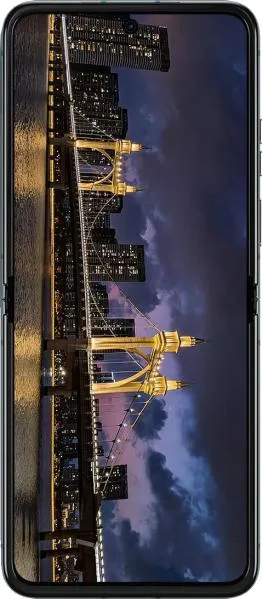
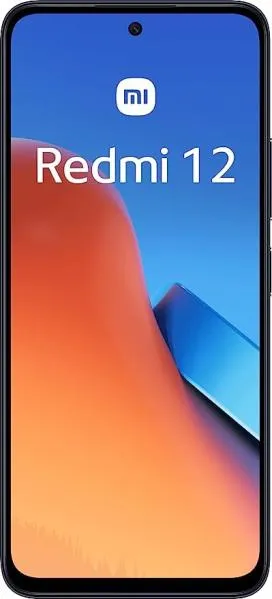
| Dimensions (mm) | 170.8 x 74 x 7 | 168.6 x 76.3 x 8.2 | Razr 40 Ultra significantly thinner due to foldable design; Redmi 12 larger and thicker. Razr's thinness impacts pocketability positively, while Redmi 12's larger size might offer better grip for some users. |
| Weight (g) | 184.5 | 198.5 | Razr 40 Ultra lighter despite complex folding mechanism. Noticeably lighter in hand and pocket. |
| Foldable | Yes | No | Razr's foldable design offers unique portability and a smaller footprint when closed. |
| Display | |||
| Display Type | Foldable LTPO AMOLED | IPS LCD | Razr boasts superior contrast, deeper blacks, and potentially better power efficiency with AMOLED. The LTPO backplane, while not confirmed to be functional here, could allow for variable refresh rates, saving battery. Redmi 12's IPS LCD is a standard, reliable technology but lacks the vibrancy of AMOLED. |
| Size (inches) | 6.9 | 6.79 | Negligible size difference in practical usage. |
| Resolution (pixels) | 1080 x 2640 | 1080 x 2460 | Similar sharpness; Razr slightly taller due to aspect ratio. |
| Refresh Rate (Hz) | 165 | 90 | Razr offers a much smoother and more responsive visual experience, especially in gaming and scrolling. |
| Performance | |||
| Chipset | Snapdragon 8+ Gen 1 | Helio G88 | Razr vastly outperforms Redmi 12 in processing power; significantly faster and smoother for demanding tasks, multitasking, and gaming. |
| CPU | Octa-core (1x3.19 GHz Cortex-X2 & 3x2.75 GHz Cortex-A710 & 4x1.80 GHz Cortex-A510) | Octa-core (2x2.0 GHz Cortex-A75 & 6x1.8 GHz Cortex-A55) | Razr's superior CPU architecture and clock speeds provide significant performance advantage. |
| GPU | Adreno 730 | Mali-G52 MC2 | Razr's GPU offers a substantial leap in graphics performance, crucial for gaming and graphically intensive applications. |
| RAM (GB) | 8 | 8/12 | Both offer sufficient RAM for most users, though higher RAM options on the Redmi 12 will benefit heavy multitaskers. |
| Camera | |||
| Main Camera (MP) | 12 | 50 | Redmi 12 boasts higher megapixel count; however, image quality depends on factors beyond resolution. Sensor size, processing, and aperture (which is larger on the Razr) play a crucial role. |
| Video Capabilities | Up to 4K@60fps with HDR, EIS | 1080p@30fps | Razr offers significantly better video recording capabilities with higher resolution, frame rate, and HDR support. |
| Battery | |||
| Capacity (mAh) | 3800 | 5000 | Redmi 12 has a much larger battery capacity, likely translating to significantly longer battery life. Foldable phones often compromise on battery due to space constraints. |
2. Key Differences Analysis
Motorola Razr 40 Ultra Advantages:
- Form Factor: Unique foldable design offering unmatched portability.
- Superior Performance: Significantly faster processor and graphics for demanding tasks and gaming.
- Smoother Display: High refresh rate AMOLED screen provides a premium visual experience.
- Better Video Recording: Higher resolution and frame rate with HDR.
Xiaomi Redmi 12 Advantages:
- Longer Battery Life: Larger battery capacity for extended usage.
- Lower Price: Offers excellent value for its price range.
- Potentially Better Low-light Camera: The larger main sensor in the Redmi 12 might perform better in low light, although this cannot be definitively stated without further testing.
Trade-offs:
- Razr sacrifices battery life for its slim foldable design and powerful performance.
- Redmi 12 compromises on performance and display quality for a longer-lasting battery and affordability.
3. User Profiles & Recommendations
Motorola Razr 40 Ultra: Ideal for users who prioritize portability, style, and performance, and are willing to compromise on battery life. Suitable for users who value a cutting-edge device and are willing to pay a premium. Use cases include:
- On-the-go Professionals: Compact for travel and quick communication.
- Trendsetters: Stylish and unique design.
- Content Consumers: Excellent for media consumption and gaming on a vibrant display.
Xiaomi Redmi 12: Best suited for budget-conscious users who prioritize battery life and essential smartphone functionalities. Excellent for users who need a reliable device for everyday tasks without breaking the bank. Use cases include:
- Students: Affordable and long-lasting battery for all-day use.
- Casual Users: Primarily using social media, browsing, and communication.
- Battery Life Champions: Need a phone that lasts multiple days on a single charge.
4. Decision Framework
Key Questions for Buyers:
- How important is portability and style? Foldable design a priority?
- What is your budget? Razr significantly more expensive.
- What are your primary use cases? Demanding tasks/gaming vs. basic communication/browsing.
Scenario-Based Recommendations:
- Heavy user, large budget: Razr 40 Ultra.
- Light user, limited budget: Redmi 12.
- Prioritizes portability above all else: Razr 40 Ultra.
- Needs maximum battery life: Redmi 12.
My Choice: Motorola Razr 40 Ultra
While the Redmi 12 offers incredible value, I would choose the Motorola Razr 40 Ultra. The foldable form factor is incredibly appealing to me, offering a unique blend of portability and functionality. I prioritize performance and a smooth user experience, which the Razr delivers with its powerful Snapdragon chipset and high refresh rate AMOLED display. While the battery life is a concern, I'm willing to compromise in this area for the benefits of the foldable design and superior performance. The innovative technology and compact size align better with my personal preferences and usage patterns. I often need a powerful device for work and appreciate the convenience of a pocketable phone for travel and social situations.
