1. Specifications Comparison
| Feature | Motorola Razr 40 Ultra | Xiaomi Poco X6 Pro | Practical Impact |
|---|---|---|---|
| Design | |||
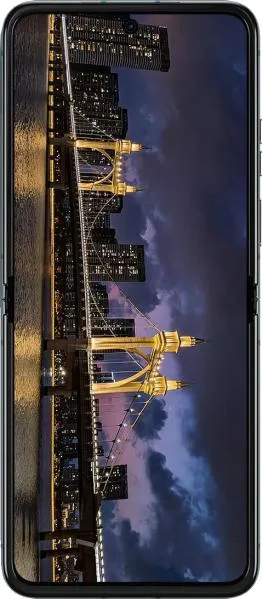
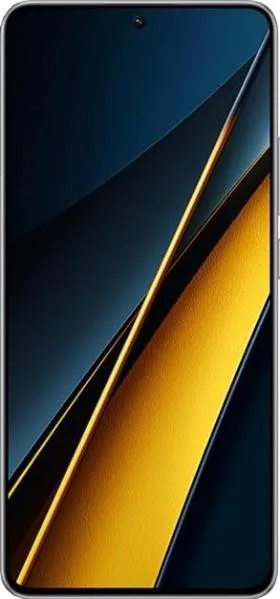
| Form Factor | Foldable | Standard | Razr offers portability and novelty; Poco offers a larger, more traditional experience. |
| Dimensions (mm) | 170.8 x 74 x 7 | 160.5 x 74.3 x 8.3 | Razr is significantly thinner when folded, but larger when unfolded. Poco is thicker but potentially more comfortable for one-handed use. |
| Weight (g) | 184.5 | 186 | Negligible weight difference in practical usage. |
| Display | |||
| Display Type | Foldable LTPO AMOLED | AMOLED | Razr's foldable display allows for a compact form factor when closed and a large screen when open. Poco offers a traditional large screen experience. |
| Size (inches) | 6.9 | 6.67 | Razr provides a larger display area when unfolded. |
| Resolution | 1080 x 2640 | 1220 x 2712 | Poco has a slightly sharper display due to higher pixel density. |
| Refresh Rate (Hz) | 165 | 120 | Razr offers smoother scrolling and animations, beneficial for gaming and fast-paced content. |
| Peak Brightness (nits) | 1400 | 1800 | Poco's display can get significantly brighter, improving outdoor visibility. |
| Color Depth | 1B | 68B | Poco offers a wider color gamut, resulting in more vibrant and accurate colors. |
| Performance | |||
| Chipset | Snapdragon 8+ Gen 1 | Dimensity 8300 Ultra | Both are powerful chipsets, but benchmarks would be needed to determine real-world performance differences. |
| CPU | Octa-core (1x3.19 GHz X2 & 3x2.75 GHz A710 & 4x1.80 GHz A510) | Octa-core (1x3.35 GHz A715 & 3x3.20 GHz A715 & 4x2.20 GHz A510) | CPU configurations suggest comparable performance; real-world usage and benchmarks are necessary for accurate comparison. |
| GPU | Adreno 730 | Mali G615-MC6 | Adreno 730 generally offers better gaming performance compared to Mali G615-MC6. |
| RAM (GB) | 8/12 | 8/12 | Both offer ample RAM for multitasking; differences would primarily manifest in sustained performance over extended periods. |
| Camera | |||
| Main Camera (MP) | 12 | 64 | Poco boasts a significantly higher resolution main camera, potentially capturing more detail. |
| Ultrawide (MP) | 13 | 8 | Razr offers a higher resolution ultrawide lens. |
| Macro (MP) | N/A | 2 | Poco includes a dedicated macro lens for close-up shots. |
| Selfie (MP) | 32 | 16 | Razr has a much higher resolution front-facing camera, beneficial for video calls and selfies. |
| Video Capabilities | Up to 4K@60fps | Up to 4K@30fps | Razr can record higher resolution and frame rate video. |
| Battery | |||
| Capacity (mAh) | 3800 | 5000 | Poco offers significantly longer battery life due to a much larger battery capacity. |
2. Key Differences Analysis
Motorola Razr 40 Ultra Advantages:
- Form Factor: The foldable design offers unmatched portability and a unique user experience.
- Higher Refresh Rate Display: Smoother animations and scrolling.
- Higher Resolution Selfie Camera: Superior quality for video calls and self-portraits.
- Higher Video Resolution and Frame Rate: Better quality video recording.
Xiaomi Poco X6 Pro Advantages:
- Larger Battery: Significantly longer battery life.
- Brighter Display: Enhanced outdoor visibility.
- Wider Color Gamut: More vibrant and accurate colors.
- Higher Resolution Main Camera: Potentially capturing more detailed photos.
- Lower Price: Offers better value for the price, especially considering the larger battery and display.
3. User Profiles & Recommendations
Motorola Razr 40 Ultra: Ideal for users who prioritize portability and novelty and are willing to compromise on battery life for a compact and stylish device. Suitable for users who value a smooth display and high-quality selfie camera.
Xiaomi Poco X6 Pro: Best suited for users who prioritize battery life, display quality, and overall value. Excellent for users who consume media, play games, and need a phone that lasts all day.
4. Decision Framework
Key Questions for Buyers:
- How important is portability? If ultimate portability is paramount, the Razr is the clear winner.
- How much do you value battery life? If all-day battery life is essential, the Poco X6 Pro is the better choice.
- What is your budget? The Poco X6 Pro offers better value for its price.
My Choice: Xiaomi Poco X6 Pro
While the Razr 40 Ultra's foldable design is undeniably appealing, the Poco X6 Pro offers a more well-rounded package for my needs. The significantly larger battery, brighter display with a wider color gamut, and the lower price point make it a compelling choice. I prioritize battery life and value, and the Poco X6 Pro delivers in those areas without significant compromises in performance. While the Razr excels in portability and selfie quality, these are not as crucial for my usage compared to all-day battery and a great display. The price difference further solidifies the Poco X6 Pro as the more sensible choice for me.
