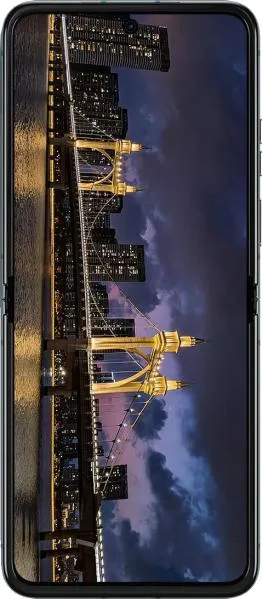
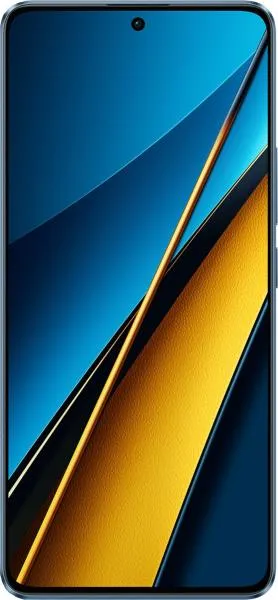
1. Specifications Comparison
| Feature | Motorola Razr 40 Ultra | Xiaomi Poco X6 | Practical Impact |
|---|---|---|---|
| Design | |||
| Form Factor | Foldable | Slab | Razr offers portability and a unique form factor, Poco X6 is a traditional candybar design. |
| Dimensions (mm) | 170.8 x 74 x 7 | 161.2 x 74.3 x 8 | Razr is significantly thinner when folded but taller when unfolded. Poco X6 offers a more standard, larger grip. |
| Weight (g) | 184.5 | 181 | Negligible weight difference in practical use. |
| Display | |||
| Display Type | Foldable AMOLED | AMOLED | Razr's folding display allows for compact storage; Poco X6 has a larger, uninterrupted screen. |
| Size (inches) | 6.9 | 6.67 | Poco X6 offers a slightly larger display area. |
| Resolution (px) | 1080 x 2640 | 1220 x 2712 | Poco X6 has a sharper display with higher pixel density (446 ppi vs 413 ppi), resulting in crisper text and images. |
| Refresh Rate (Hz) | 165 | 120 | Razr offers smoother scrolling and animations due to the higher refresh rate. |
| Peak Brightness (nits) | 1400 | 1800 | Poco X6's significantly higher peak brightness provides better outdoor visibility. |
| Performance | |||
| Chipset | Snapdragon 8+ Gen 1 | Snapdragon 7s Gen 2 | Razr's processor offers significantly better performance in demanding tasks and gaming. |
| CPU | Octa-core (3.19 GHz) | Octa-core (2.4 GHz) | Razr's higher clock speeds contribute to its superior performance. |
| GPU | Adreno 730 | Adreno 710 | Razr's GPU is more powerful, resulting in smoother gaming and faster graphics rendering. |
| RAM (GB) | 8 (Listed) | 12 | Poco X6 offers more RAM, enabling better multitasking and app switching. Note: Razr has 12GB versions available, not reflected in the provided data. |
| Camera | |||
| Main Camera (MP) | 12 | 64 | Poco X6 boasts a much higher resolution main camera sensor, potentially capturing more detail. |
| Ultrawide (MP) | 13 | 8 | Razr has a higher resolution ultrawide lens. |
| Selfie (MP) | 32 | 16 | Razr has a significantly higher resolution selfie camera. |
| Battery | |||
| Capacity (mAh) | 3800 | 5100 | Poco X6 offers a significantly larger battery, likely resulting in much longer battery life. |
2. Key Differences Analysis
Motorola Razr 40 Ultra Advantages:
- Form Factor: The foldable design offers unmatched portability and a unique user experience.
- Performance: Significantly more powerful processor and GPU for demanding tasks and gaming.
- Higher Refresh Rate Display: Smoother scrolling and animations.
- Higher Resolution Selfie Camera: Better quality self-portraits.
Xiaomi Poco X6 Advantages:
- Larger Display: More screen real estate for media consumption and multitasking.
- Higher Resolution Main Camera: Potentially captures more detailed photos.
- Significantly Larger Battery: Longer battery life.
- Higher Peak Brightness: Better visibility in direct sunlight.
- More RAM: Improved multitasking and app switching.
- Lower Price: Offers a better price-to-performance ratio for average users.
Trade-offs:
- Razr: Sacrifices battery life and main camera resolution for portability and performance. Higher price for the foldable technology.
- Poco X6: Sacrifices portability and peak performance for a larger display, battery, and a more affordable price.
3. User Profiles & Recommendations
Motorola Razr 40 Ultra: Ideal for users who prioritize portability and a unique, stylish device and are willing to pay a premium. Use cases include: frequent travelers, trendsetters, and those who value compact design.
Xiaomi Poco X6: Ideal for users who prioritize battery life, a large display, and value for money. Use cases include: media consumption, gaming (casual), everyday tasks, and budget-conscious buyers.
4. Decision Framework
Key Questions for Buyers:
- How important is portability? If ultimate portability is paramount, the Razr is the clear winner.
- What is your budget? The Poco X6 offers excellent value for its price, while the Razr is a premium device.
- What are your primary use cases? Demanding tasks and gaming favor the Razr; media consumption and long battery life favor the Poco X6.
My Choice: Xiaomi Poco X6
While the Motorola Razr 40 Ultra is a compelling device with its unique foldable design and powerful performance, I would choose the Xiaomi Poco X6. My primary needs are a large, high-quality display for media consumption, long battery life, and good overall performance for everyday tasks. The Poco X6 excels in these areas while offering a significantly lower price point. The Snapdragon 7s Gen 2 is powerful enough for my needs, and the 12GB of RAM ensures smooth multitasking. The larger battery capacity of the Poco X6 is a major deciding factor, as I prioritize all-day battery life. While I acknowledge the Razr's unique appeal, the Poco X6 better suits my practical needs and budget.
