1. Specifications Comparison
| Feature | Motorola Razr 40 Ultra | Xiaomi Poco F6 | Practical Impact |
|---|---|---|---|
| Design | |||
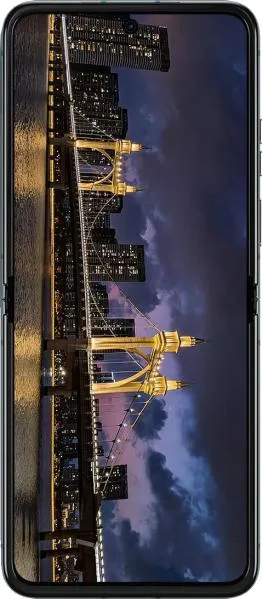
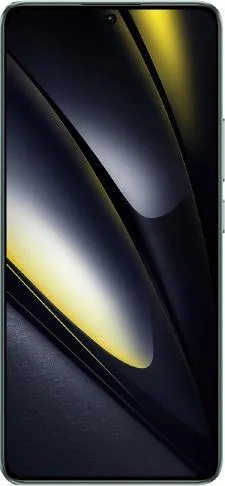
| Form Factor | Foldable | Standard | Razr offers portability and novelty; Poco F6 offers a larger, more traditional experience. |
| Dimensions (mm) | 170.8 x 74 x 7 | 160.5 x 74.5 x 8 | Razr is significantly thinner when folded, impacting pocket-ability; Poco F6 is thinner unfolded. |
| Weight (g) | 184.5 | 179 | Weight difference is negligible in practical use. |
| Display | |||
| Display Type | Foldable LTPO AMOLED | AMOLED | Razr's folding display offers unique use cases (compactness, external display); Poco F6 provides a larger, uninterrupted canvas. |
| Size (inches) | 6.9 | 6.67 | Poco F6 offers a slightly larger screen for media consumption. |
| Resolution | 1080 x 2640 | 1220 x 2712 | Poco F6 has a sharper display due to higher resolution. |
| Refresh Rate (Hz) | 165 | 120 | Both offer smooth scrolling and animations; Razr potentially smoother for fast-paced games. |
| Peak Brightness (nits) | 1400 | 2400 | Poco F6 is significantly brighter outdoors. |
| Performance | |||
| Chipset | Snapdragon 8+ Gen 1 | Snapdragon 8s Gen 3 | Poco F6 has a newer, slightly more powerful processor, potentially offering better sustained performance. |
| CPU | Octa-core (1x3.19 GHz Cortex-X2 & 3x2.75 GHz Cortex-A710 & 4x1.80 GHz Cortex-A510) | Octa-core (1x3.0 GHz Cortex-X4 & 4x2.8 GHz Cortex-A720 & 3x2.0 GHz Cortex-A520) | Both CPUs offer high performance; architectural differences might favor Poco F6 in specific workloads. |
| GPU | Adreno 730 | Adreno 735 | Minor GPU difference; Poco F6 might have a slight edge in gaming performance. |
| RAM (GB) | 8/12 | 8/12 | Both offer ample RAM for multitasking. |
| Camera | |||
| Main Camera (MP) | 12 | 50 | Poco F6 boasts significantly higher resolution, potentially capturing more detail. |
| Ultrawide (MP) | 13 | 8 | Razr offers a higher resolution ultrawide. |
| Selfie (MP) | 32 | 20 | Razr has a higher resolution selfie camera. |
| Battery | |||
| Capacity (mAh) | 3800 | 5000 | Poco F6 has a much larger battery, likely translating to significantly longer battery life. |
2. Key Differences Analysis
Motorola Razr 40 Ultra Advantages:
- Portability: The foldable design provides unmatched portability.
- Novelty: The unique form factor and external display offer a distinctive user experience.
- Higher Resolution Ultrawide: Captures wider scenes with more detail than the Poco F6.
- Higher Resolution Selfie Camera: Better for video calls and self-portraits.
Xiaomi Poco F6 Advantages:
- Larger Display: More immersive media consumption and easier multitasking.
- Higher Resolution Main Camera: Potentially superior image quality with more detail.
- Significantly Brighter Display: Excellent outdoor visibility.
- Longer Battery Life: The larger battery capacity ensures extended usage without frequent charging.
- Newer Processor: Offers potentially better performance and efficiency.
3. User Profiles & Recommendations
Motorola Razr 40 Ultra: Ideal for users who prioritize portability and a unique smartphone experience. Use cases include:
- Frequent travelers who value a compact device.
- Fashion-conscious users drawn to the innovative design.
- Users who utilize the external display for quick interactions.
Xiaomi Poco F6: Suitable for users who prioritize performance, battery life, and a traditional smartphone experience. Use cases include:
- Mobile gamers seeking high performance and a large display.
- Power users who demand long battery life.
- Content consumers who prioritize a large, bright screen.
4. Decision Framework
Key Questions:
- How important is portability? If ultimate portability is paramount, the Razr 40 Ultra is the clear choice.
- What is your budget? While both are in the medium price range, specific deals and variants might influence the decision.
- What are your primary use cases? Gaming, media consumption, or productivity needs will favor the Poco F6. A focus on portability and quick interactions favors the Razr.
My Choice: Xiaomi Poco F6
While the Razr 40 Ultra is intriguing with its foldable design, the Poco F6 offers a more well-rounded package for my needs. The significantly larger battery, brighter display, newer processor, and higher resolution main camera outweigh the benefits of the foldable form factor for me. I prioritize battery life, performance, and a large screen for media consumption and productivity. The Razr's smaller battery and potential durability concerns associated with foldable phones make the Poco F6 a more practical choice. The price difference, while not substantial, further reinforces the value proposition of the Poco F6.
