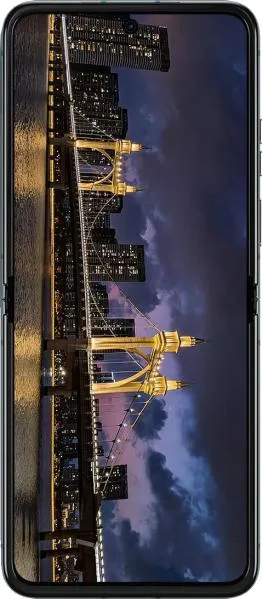
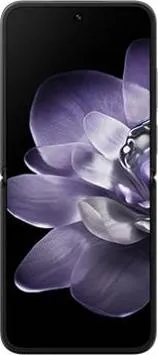
1. Specifications Comparison
| Feature | Motorola Razr 40 Ultra | Xiaomi Mix Flip | Practical Impact |
|---|---|---|---|
| Design | |||
| Dimensions (mm) | 170.8 x 74 x 7 | 167.5 x 74 x 7.6 | Razr 40 Ultra is slightly taller but thinner when folded. Mix Flip is a bit wider and thicker. Negligible difference in everyday use. |
| Weight (g) | 184.5 | 190 | Razr 40 Ultra is slightly lighter, potentially more comfortable for extended use. |
| Foldable | Yes | Yes | Both are foldable smartphones, offering compact portability. |
| Display | |||
| Display Size (inches) | 6.9 | 6.86 | Virtually identical screen real estate. |
| Resolution (px) | 1080 x 2640 | 1224 x 2912 | Mix Flip has a noticeably sharper display due to higher resolution.Sharper text and images. |
| Refresh Rate (Hz) | 165 | 120 | Razr 40 Ultra offers smoother scrolling and animations thanks to the higher refresh rate, especially noticeable in gaming and fast-paced content. |
| Peak Brightness (nits) | 1400 | 3000 | Mix Flip boasts significantly higher peak brightness, ensuring better visibility in direct sunlight. |
| Dolby Vision | No | Yes | Mix Flip supports Dolby Vision, providing enhanced HDR video playback with richer colors and contrast. |
| Performance | |||
| Chipset | Snapdragon 8+ Gen 1 | Snapdragon 8 Gen 3 | Mix Flip benefits from a newer and more powerful chipset, translating to faster performance, improved efficiency, and better future-proofing. |
| CPU | Octa-core (1x3.19 GHz Cortex-X2 & 3x2.75 GHz Cortex-A710 & 4x1.80 GHz Cortex-A510) | Octa-core (1x3.3 GHz Cortex-X4 & 3x3.2 GHz Cortex-A720 & 2x3.0 GHz Cortex-A720 & 2x2.3 GHz Cortex-A520) | Mix Flip has a more powerful CPU architecture, enabling faster app loading, smoother multitasking, and enhanced gaming performance. |
| GPU | Adreno 730 | Adreno 750 | Mix Flip's newer GPU offers superior graphics processing capabilities, leading to better gaming and visual performance. |
| RAM (GB) | 8/12 | 12/16 | Mix Flip offers more RAM in its base configuration, improving multitasking and overall system responsiveness. |
| Camera | |||
| Main Camera (MP) | 12 | 50 | Mix Flip has a much higher resolution main camera sensor, potentially capturing more detail. |
| Telephoto | No | Yes (60MP) | Mix Flip offers optical zoom capabilities lacking in the Razr 40 Ultra. |
| Video Recording | Up to 4K@60fps | Up to 8K@24fps | Mix Flip supports higher resolution video recording. |
| Battery | |||
| Capacity (mAh) | 3800 | 4780 | Mix Flip has a significantly larger battery, promising longer usage time between charges. |
2. Key Differences Analysis
Motorola Razr 40 Ultra Advantages:
- Higher Refresh Rate Display: Smoother user experience.
- Lighter and Slimmer: More pocketable and comfortable for one-handed use.
- Lower Price: More budget-friendly option.
Xiaomi Mix Flip Advantages:
- Sharper Display: More detailed visuals.
- Significantly Brighter Display: Enhanced outdoor visibility.
- More Powerful Performance: Faster processing and better gaming.
- Larger Battery: Longer battery life.
- Superior Camera System: Higher resolution, telephoto lens, and 8K video recording.
3. User Profiles & Recommendations
Motorola Razr 40 Ultra: Users prioritizing portability, a smooth display, and affordability over raw power and camera capabilities. Ideal for casual users focused on communication, social media, and web browsing.
Xiaomi Mix Flip: Users seeking top-tier performance, a high-quality camera system, extended battery life, and a bright, sharp display. Suitable for power users, mobile gamers, content creators, and photography enthusiasts.
4. Decision Framework
Key Questions for Buyers:
- What is your budget? The Mix Flip is significantly more expensive.
- What are your primary use cases? (e.g., casual use, gaming, photography)
- How important is battery life?
Scenario-Based Recommendations:
- Limited budget, casual user: Razr 40 Ultra
- Power user, demanding tasks: Mix Flip
- Photographer/videographer: Mix Flip
My Choice: Xiaomi Mix Flip
While the Motorola Razr 40 Ultra offers a compelling combination of portability and affordability, the Xiaomi Mix Flip's superior performance, camera system, battery life, and brighter, sharper display make it the better overall device for my needs. I prioritize future-proofing, a premium visual experience, and all-day battery life, making the Mix Flip's higher price justifiable. The addition of a telephoto lens and 8K video recording capabilities significantly enhances the photographic versatility compared to the Razr. Although the Razr 40 Ultra is slightly lighter, the difference is negligible for me compared to the Mix Flip's significant advantages in other key areas.
