1. Specifications Comparison
| Feature | Motorola Razr 40 Ultra | Xiaomi 14T Pro | Practical Impact |
|---|---|---|---|
| Design | |||
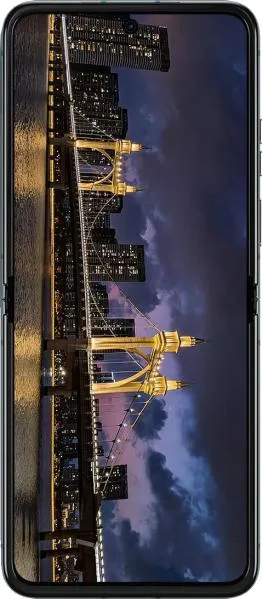
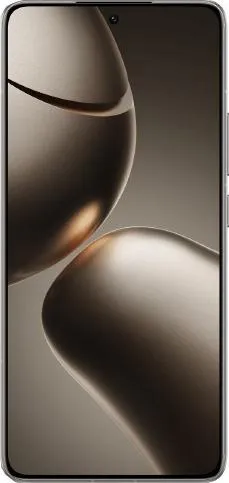
| Form Factor | Foldable | Slab | Razr offers portability and a unique form factor, Xiaomi offers a traditional, potentially more robust design. |
| Dimensions (mm) | 170.8 x 74 x 7 | 160.4 x 75.1 x 8.4 | Razr is significantly thinner when folded, but taller unfolded. Xiaomi is a larger, thicker traditional slab phone. |
| Weight (g) | 184.5 | 209 | Razr is noticeably lighter, improving one-handed usability, especially when folded. |
| Display | |||
| Display Type | Foldable LTPO AMOLED | AMOLED | Razr's folding display allows for a large screen in a compact device. Xiaomi offers a larger, more traditional display experience. |
| Size (inches) | 6.9 | 6.67 | Xiaomi offers a slightly larger screen area for media consumption. |
| Resolution | 1080 x 2640 | 1220 x 2712 | Xiaomi has a sharper display with higher pixel density, leading to clearer text and images. |
| Refresh Rate (Hz) | 165 | 144 | Both offer high refresh rates for smooth scrolling and animations, though Razr has a slight edge. |
| Peak Brightness (nits) | 1400 | 4000 | Xiaomi's display is significantly brighter, improving outdoor visibility. |
| Performance | |||
| Chipset | Snapdragon 8+ Gen 1 | Dimensity 9300+ | Both are high-end chipsets from the previous generation, offering excellent performance. Dimensity 9300+ generally benchmarks higher in multi-core performance. |
| CPU | Octa-core (1x3.19 GHz X2 & 3x2.75 GHz A710 & 4x1.80 GHz A510) | Octa-core (1x3.4 GHz X4 & 3x2.85 GHz X4 & 4x2.0 GHz A720) | Xiaomi's CPU boasts newer architecture and potentially higher clock speeds, likely resulting in faster processing. More detailed benchmarks are needed for definitive comparison. |
| GPU | Adreno 730 | Immortalis-G720 MC12 | While both GPUs are powerful, the Immortalis-G720 MC12 in the Xiaomi generally offers better gaming performance. |
| RAM (GB) | 8 (Review Model) | 12 (Review Model) | Xiaomi offers more RAM in the reviewed model, enabling better multitasking and smoother performance with demanding apps. The Razr has other RAM configurations available. |
| Camera | |||
| Main Camera (MP) | 12 | 50 | Xiaomi has a much higher resolution main sensor, potentially capturing more detail. |
| Video Recording | Up to 4K@60fps | Up to 8K@30fps | Xiaomi offers higher resolution video recording capabilities. |
| Other Features | OIS | OIS, Leica lens | Both have optical image stabilization. Xiaomi benefits from Leica's imaging expertise and a triple LED flash. |
| Battery | |||
| Capacity (mAh) | 3800 | 5000 | Xiaomi has a significantly larger battery, likely providing longer battery life. |
2. Key Differences Analysis
Motorola Razr 40 Ultra Advantages:
- Portability: The foldable design offers unmatched portability.
- Lighter Weight: Noticeably lighter than the Xiaomi 14T Pro.
- Higher Refresh Rate Display (in the tested model): Smoother scrolling and animations (minor difference).
Xiaomi 14T Pro Advantages:
- Larger, Brighter Display: More immersive media consumption and better outdoor visibility.
- More Powerful Performance (Based on specs): Newer chipset, CPU, and GPU likely translate to faster processing and better gaming.
- Higher Resolution Cameras: Potentially better image and video quality.
- Significantly Larger Battery: Longer usage time between charges.
3. User Profiles & Recommendations
Motorola Razr 40 Ultra: Ideal for users who prioritize portability and a unique form factor over raw performance and battery life. Best for those who value having a large screen that can easily fit in a pocket.
Xiaomi 14T Pro: Ideal for users who prioritize performance, battery life, camera quality, and a large, traditional smartphone experience. Best for power users, mobile gamers, and those who consume a lot of media on their phones.
4. Decision Framework
Key Questions for Buyers:
- How important is portability? If pocketability is paramount, the Razr is the clear winner.
- What is your primary phone usage? For demanding tasks and media consumption, the Xiaomi's performance and battery life are advantageous.
- What is your budget? Both are in the medium price range but comparing specific retail prices is essential.
My Choice: Xiaomi 14T Pro
While the Razr 40 Ultra's foldable design is intriguing, the Xiaomi 14T Pro better suits my needs. I prioritize performance, battery life, and a large, high-quality display for productivity and entertainment. The Xiaomi's superior camera system and brighter screen are significant advantages. The longer battery life is crucial for my usage patterns. While I appreciate the Razr's portability, the trade-offs in performance and battery life are too significant for me. The Xiaomi offers a more well-rounded and powerful smartphone experience.
