1. Specifications Comparison
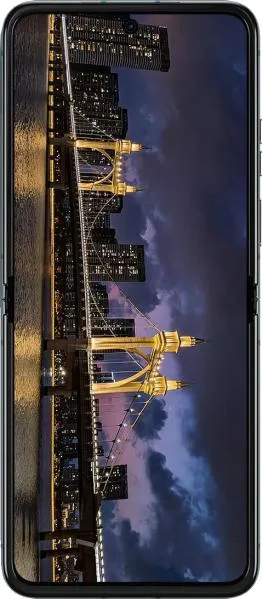
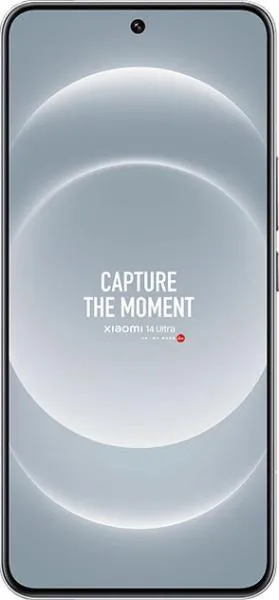
| Feature | Motorola Razr 40 Ultra | Xiaomi 14 Ultra | Practical Impact |
|---|---|---|---|
| Design | |||
| Form Factor | Foldable | Standard | Razr offers portability and a unique form factor, Xiaomi offers a traditional slab design. |
| Dimensions (mm) | 170.8 x 74 x 7 | 161.4 x 75.3 x 9.2 | Razr is significantly thinner when folded but taller unfolded. Xiaomi is larger overall. |
| Weight (g) | 184.5 | 229.5 | Razr is noticeably lighter, improving one-handed use, especially when folded. |
| Display | |||
| Display Type | Foldable LTPO AMOLED | LTPO AMOLED | Razr's folding display allows for a larger screen in a smaller device. Xiaomi's display is more traditional. |
| Size (inches) | 6.9 | 6.73 | Comparable screen real estate when unfolded, but Razr offers a larger cover screen for quick interactions. |
| Resolution | 1080 x 2640 | 1440 x 3200 | Xiaomi has a sharper display with higher pixel density, resulting in clearer text and images. |
| Refresh Rate (Hz) | 165 | 120 | Razr offers smoother scrolling and animations, but the difference might not be noticeable to all users. |
| Peak Brightness (nits) | 1400 | 3000 | Xiaomi's display is significantly brighter, improving outdoor visibility. |
| Color Depth | 1B | 68B | Xiaomi supports a wider color gamut, potentially offering more vibrant and accurate colors. |
| Performance | |||
| Chipset | Snapdragon 8+ Gen 1 | Snapdragon 8 Gen 3 | Xiaomi features a newer and more powerful processor, leading to better performance in demanding tasks and gaming. |
| CPU | Octa-core (up to 3.19 GHz) | Octa-core (up to 3.3 GHz) | Xiaomi's CPU offers a slight performance advantage. |
| GPU | Adreno 730 | Adreno 750 | Xiaomi's GPU offers improved graphics performance for gaming and other visually intensive tasks. |
| RAM (GB) | 8 | 16 | Xiaomi offers double the RAM, enabling better multitasking and smoother performance with many apps open. |
| Camera | |||
| Main Camera (MP) | 12 | 50 | Xiaomi has a significantly higher resolution main camera sensor, potentially capturing more detail. |
| Additional Cameras | Wide, Selfie | Wide, Telephoto (x2), Selfie | Xiaomi boasts a more versatile camera system with multiple telephoto lenses for optical zoom. |
| Video Recording | Up to 4K@60fps | Up to 8K@30fps | Xiaomi offers higher resolution video recording. |
| Battery | |||
| Capacity (mAh) | 3800 | 5000 | Xiaomi has a significantly larger battery, likely providing longer battery life. |
2. Key Differences Analysis
Motorola Razr 40 Ultra Advantages:
- Portability: The foldable design makes it incredibly compact when closed.
- Unique Form Factor: The flip phone nostalgia and external display provide a distinctive user experience.
- Lighter Weight: Noticeably easier to carry and use one-handed.
- Higher Refresh Rate Display: Smoother scrolling and animations.
Xiaomi 14 Ultra Advantages:
- Superior Performance: The newer chipset and more RAM provide a significant performance advantage.
- Brighter and Sharper Display: Better outdoor visibility and crisper image quality.
- More Versatile Camera System: Multiple telephoto lenses offer superior zoom capabilities.
- Significantly Larger Battery: Longer usage time between charges.
- Wider Color Gamut: More vibrant and accurate colors on the display.
3. User Profiles & Recommendations
Motorola Razr 40 Ultra: Ideal for users who prioritize portability and a unique design above all else. Best for those who value a compact phone for easy carrying and one-handed use.
Xiaomi 14 Ultra: Ideal for power users, photographers, and videographers who demand top-tier performance, a long-lasting battery, and a versatile camera system. Best for those who prioritize performance and camera quality.
4. Decision Framework
Key Questions for Buyers:
- How important is portability? If ultimate portability is paramount, the Razr is the clear winner.
- What is your budget? While both are mid-range, specific pricing should be compared.
- What are your primary use cases? Gaming, photography, or everyday tasks will steer you towards different phones.
My Choice: Xiaomi 14 Ultra
While the Razr 40 Ultra's foldable design is intriguing, the Xiaomi 14 Ultra's superior performance, camera system, battery life, and display make it the better overall device for my needs. I prioritize a smooth user experience, excellent photography capabilities, and all-day battery life. The larger battery, brighter display, and more powerful processor outweigh the Razr's portability advantages for my personal use. The significantly improved camera system with optical zoom is a deciding factor for me. While I appreciate the Razr's unique form factor, the Xiaomi 14 Ultra offers a more well-rounded and powerful package for my everyday needs and long-term usage.
