
1. Specifications Comparison
| Feature | Motorola Razr 40 Ultra | vivo V30 | Practical Impact |
|---|---|---|---|
| Design | |||
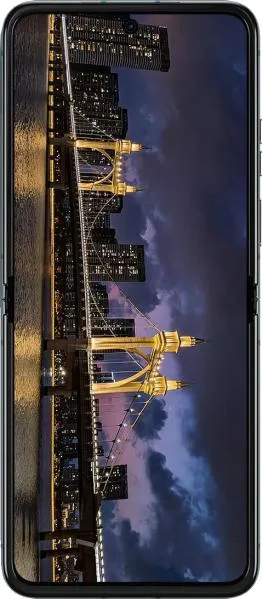
| Form Factor | Foldable | Standard | Razr 40 Ultra offers portability and a smaller footprint when folded, but potentially more fragility. Vivo V30 is a traditional slab phone. |
| Dimensions (mm) | 170.8 x 74 x 7 | 164.4 x 75.1 x 7.5 | Razr 40 Ultra is significantly thinner when unfolded but taller. Vivo V30 is a more standard size. |
| Weight (g) | 184.5 | 186 | Negligible weight difference. |
| Display | |||
| Display Size (inches) | 6.9 | 6.78 | Similar screen real estate. |
| Resolution | 1080 x 2640 | 1260 x 2800 | Vivo V30 has a slightly sharper display due to higher resolution. |
| Refresh Rate (Hz) | 165 | 120 | Razr 40 Ultra offers smoother scrolling and animations. |
| Panel Type | Foldable LTPO AMOLED | AMOLED | Razr 40 Ultra's foldable display allows for unique use cases like using the external display for quick tasks. Vivo V30 has a standard, durable AMOLED. |
| Performance | |||
| Chipset | Snapdragon 8+ Gen 1 | Snapdragon 7 Gen 3 | Razr 40 Ultra offers significantly better performance for demanding tasks and gaming. |
| CPU | Octa-core (1x3.19 GHz Cortex-X2 & 3x2.75 GHz Cortex-A710 & 4x1.80 GHz Cortex-A510) | Octa-core (1x2.63 GHz Cortex-A715 & 3x2.4 GHz Cortex-A715 & 4x1.8 GHz Cortex-A510) | Razr 40 Ultra has a more powerful CPU architecture. |
| GPU | Adreno 730 | Adreno 720 | Razr 40 Ultra offers superior graphics processing for gaming and visually intensive applications. |
| RAM (GB) | 8 | 8 | Both phones have the same amount of RAM. |
| Camera | |||
| Main Camera (MP) | 12 | 50 | Vivo V30 boasts a higher resolution main sensor, potentially capturing more detail. |
| Selfie Camera (MP) | 32 | 50 | Vivo V30 has a much higher resolution selfie camera. |
| Video Recording | Up to 4K@60fps | Up to 4K@30fps | Razr 40 Ultra can record higher quality video at higher frame rates. |
| Battery | |||
| Capacity (mAh) | 3800 | 5000 | Vivo V30 has a significantly larger battery, likely resulting in longer battery life. This is notable given the Razr's power hungry folding screen and flagship chipset. |
2. Key Differences Analysis
Motorola Razr 40 Ultra Advantages:
- Form Factor: The foldable design offers unique portability and a larger external display for quick interactions.
- Performance: Significantly more powerful processor and GPU for demanding tasks and gaming.
- Higher Refresh Rate Display: Smoother animations and scrolling experience.
- Higher Quality Video Recording: Supports 4K@60fps with HDR and EIS.
vivo V30 Advantages:
- Battery Life: Larger battery capacity suggests significantly longer usage time.
- Higher Resolution Main and Selfie Cameras: Potentially better image detail and clarity.
- More Affordable: Generally priced lower than the Razr 40 Ultra (based on provided limited pricing data).
3. User Profiles & Recommendations
Motorola Razr 40 Ultra: Ideal for users who prioritize portability, cutting-edge technology, a unique form factor, and performance. Suitable for heavy multitaskers, gamers, and content creators who value a high-quality display and video recording capabilities.
vivo V30: Best suited for users who value battery life, camera quality for photos, and affordability. A good choice for everyday users, social media enthusiasts, and those who prioritize long usage times without frequent charging.
4. Decision Framework
Key Questions for Buyers:
- How important is portability and a unique design? If paramount, the Razr 40 Ultra's foldable design is a compelling factor.
- What is your budget and how important is the price-to-performance ratio? The Vivo V30 offers competitive specs at a likely lower price point.
- What are your primary usage patterns? Heavy users and gamers will benefit from the Razr's performance, while those focused on photography and all-day battery life might prefer the Vivo V30.
My Choice: vivo V30
While the Razr 40 Ultra is undoubtedly a more exciting and powerful device, the Vivo V30 better suits my personal needs. I prioritize battery life and a reliable, durable phone for everyday use. The Vivo V30's significantly larger battery, combined with a strong camera system and a more affordable price, makes it the more practical choice for me. The Snapdragon 7 Gen 3 is powerful enough for my usage, and I am willing to trade the slightly lower performance for significantly improved longevity. The foldable form factor, while innovative, doesn't outweigh the benefits of longer battery life and a lower price point for my personal use case.
