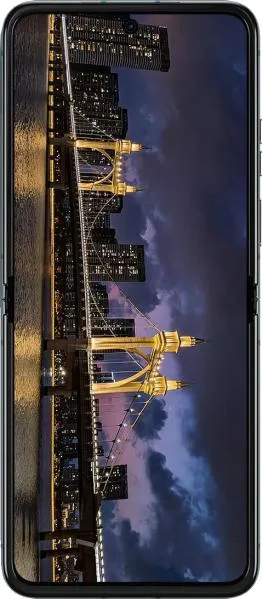
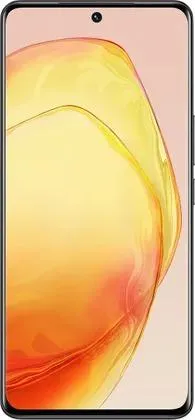
1. Specifications Comparison
| Feature | Motorola Razr 40 Ultra | vivo V29 | Practical Impact |
|---|---|---|---|
| Design | |||
| Form Factor | Foldable | Standard | Razr offers portability and a unique form factor, potentially sacrificing durability. Vivo V29 is a traditional slab phone, likely more robust. |
| Dimensions (mm) | 170.8 x 74 x 7 | 164.2 x 74.4 x 7.5 | Razr is significantly thinner when folded but taller unfolded. Vivo V29 is a more standard size. |
| Weight (g) | 184.5 | 186 | Negligible weight difference. |
| Display | |||
| Display Type | Foldable LTPO AMOLED | AMOLED | Razr's foldable display allows for a larger screen in a smaller device but introduces a crease. Vivo V29's display is likely more durable. |
| Size (inches) | 6.9 | 6.78 | Comparable screen sizes. |
| Resolution | 1080 x 2640 | 1260 x 2800 | Vivo V29 offers a slightly sharper display due to higher resolution. |
| Refresh Rate (Hz) | 165 | 120 | Razr offers smoother scrolling and animations thanks to the higher refresh rate. |
| Peak Brightness (nits) | 1400 | 1300 | Razr's display can get slightly brighter, improving outdoor visibility. |
| Performance | |||
| Chipset | Snapdragon 8+ Gen 1 | Snapdragon 778G 5G | Razr provides significantly better performance for demanding tasks and gaming. |
| CPU | Octa-core (1x3.19 GHz Cortex-X2 & 3x2.75 GHz Cortex-A710 & 4x1.80 GHz Cortex-A510) | Octa-core (1x2.4 GHz Cortex-A78 & 3x2.2 GHz Cortex-A78 & 4x1.9 GHz Cortex-A55) | Razr's CPU is more powerful, resulting in faster app loading and multitasking. |
| GPU | Adreno 730 | Adreno 642L | Razr offers superior graphics performance for gaming and visually intensive applications. |
| RAM (GB) | 8/12 | 8/12 | Both phones offer similar RAM configurations. |
| Camera | |||
| Main Camera (MP) | 12 | 50 | Vivo V29 boasts higher megapixel count on the main sensor, potentially capturing more detail. However, image quality depends on many factors beyond megapixels. |
| Selfie Camera (MP) | 32 | 50 | Vivo V29 has a higher resolution selfie camera. |
| Video Recording | Up to 4K@60fps with HDR, EIS | Up to 4K@30fps | Razr supports higher resolution and frame rate video recording. |
| Battery | |||
| Capacity (mAh) | 3800 | 4600 | Vivo V29 has significantly larger battery capacity, potentially leading to longer battery life. |
2. Key Differences Analysis
Motorola Razr 40 Ultra Advantages:
- Form Factor: Foldable design for portability.
- Higher Performance: More powerful chipset and GPU for demanding tasks and gaming.
- Smoother Display: 165Hz refresh rate for fluid visuals.
- Brighter Display: Better outdoor visibility.
- Superior Video Recording: Higher resolution and frame rate.
vivo V29 Advantages:
- Larger Battery: Potentially longer battery life.
- Higher Resolution Main and Selfie Cameras: Potential for more detailed photos (though image quality depends on various factors).
- Potentially More Durable: Traditional slab design is generally more robust than foldable phones.
3. User Profiles & Recommendations
Motorola Razr 40 Ultra: Ideal for users who prioritize portability and a unique form factor and are willing to compromise on battery life and potential durability for a compact device. Suitable for users who value a high-quality display and top-tier performance.
vivo V29: Best suited for users who prioritize battery life and a traditional smartphone experience. A good choice for users who primarily use their phone for everyday tasks, social media, and casual photography.
4. Decision Framework
Key Questions for Buyers:
- How important is portability and a unique design? If crucial, the Razr is the clear choice.
- What is your primary phone usage? For demanding tasks and gaming, the Razr's superior performance is essential. For general use, the Vivo V29 is sufficient.
- How much do you value battery life? The Vivo V29's larger battery is a significant advantage for heavy users.
My Choice: vivo V29
While the Razr 40 Ultra offers a compelling foldable design and superior performance, the vivo V29 better suits my needs. I prioritize battery life and a durable, reliable device for everyday use. The slightly sharper display and larger battery of the Vivo V29 outweigh the benefits of the foldable form factor and higher refresh rate for my personal use case. The price difference, while not explicitly stated, likely favors the Vivo V29, further reinforcing its value proposition for me. I'm not a heavy gamer and primarily use my phone for communication, web browsing, and occasional photography, making the Vivo V29 a more practical choice. I acknowledge the coolness factor of the Razr, but practicality wins out for me.
