1. Specifications Comparison
| Feature | Motorola Razr 40 Ultra | vivo iQOO 12 | Practical Impact |
|---|---|---|---|
| Design | |||
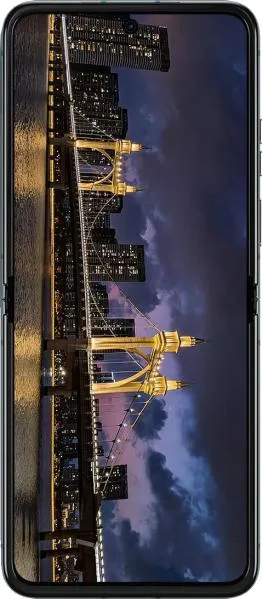
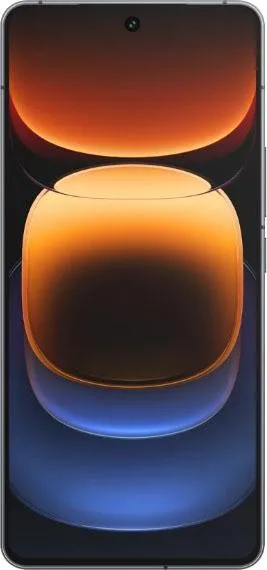
| Form Factor | Foldable | Standard | Razr offers portability and a unique form factor; iQOO 12 is a traditional slab phone. |
| Dimensions (mm) | 170.8 x 74 x 7 | 163.2 x 75.9 x 8.1 | Razr is significantly thinner when folded but taller unfolded; iQOO 12 is more pocketable when unfolded. |
| Weight (g) | 184.5 | 198.5 | Razr is noticeably lighter. |
| Display | |||
| Size (inches) | 6.9 (main), ~3.6 (cover) | 6.78 | Razr's larger main display offers more screen real estate for multitasking and media consumption; iQOO 12's display is always available. |
| Resolution (px) | 1080 x 2640 | 1260 x 2800 | iQOO 12 has a slightly sharper display due to higher resolution and pixel density. |
| Refresh Rate (Hz) | 165 | 144 | Both offer smooth scrolling and animations; Razr has a slight edge in smoothness. |
| Panel Type | Foldable LTPO AMOLED | LTPO AMOLED | Razr's foldable display allows for flexible use cases; iQOO 12's display is more durable. |
| Peak Brightness (nits) | 1400 | 3000 | iQOO 12 offers significantly better outdoor visibility. |
| Performance | |||
| Chipset | Snapdragon 8+ Gen 1 | Snapdragon 8 Gen 3 | iQOO 12 boasts a newer, more powerful processor, leading to faster performance and better efficiency. |
| CPU | Octa-core (1x3.19 GHz X2 & 3x2.75 GHz A710 & 4x1.80 GHz A510) | Octa-core (1x3.3 GHz X4 & 3x3.2 GHz A720 & 2x3.0 GHz A720 & 2x2.3 GHz A520) | iQOO 12's CPU offers performance improvements in speed and efficiency due to newer architecture. |
| GPU | Adreno 730 | Adreno 750 | iQOO 12 has a more powerful GPU, resulting in smoother gaming and faster graphics rendering. |
| RAM (GB) | 8/12 | 12/16 | iQOO 12 offers larger RAM options for better multitasking and app performance. |
| Camera | |||
| Main Camera (MP) | 12 | 50 | iQOO 12 has a much higher resolution main sensor, potentially capturing more detail. |
| Ultrawide (MP) | 13 | 50 | iQOO 12 offers a significantly higher resolution ultrawide sensor. |
| Telephoto (MP) | N/A | 64 | iQOO 12 features a dedicated telephoto lens for optical zoom, lacking in Razr. |
| Selfie (MP) | 32 | 16 | Razr has a higher resolution selfie camera. |
| Battery | |||
| Capacity (mAh) | 3800 | 5000 | iQOO 12 provides significantly longer battery life. |
2. Key Differences Analysis
Motorola Razr 40 Ultra Advantages:
- Portability and Form Factor: The foldable design provides unmatched portability and a unique user experience. The cover screen allows for quick interactions without unfolding.
- Lighter Weight: Noticeably lighter than the iQOO 12, making it more comfortable for extended use.
vivo iQOO 12 Advantages:
- Superior Performance: The Snapdragon 8 Gen 3 chip offers a significant performance advantage for demanding tasks and gaming.
- Enhanced Camera System: The triple camera setup with a telephoto lens and higher resolution sensors delivers greater versatility and potentially better image quality.
- Longer Battery Life: The larger battery capacity ensures significantly longer usage time between charges.
- Brighter Display: The 3000 nits peak brightness ensures excellent outdoor visibility.
- More Durable Display: Traditional glass displays are generally more durable than foldable displays.
Trade-offs:
- Razr: Sacrifices battery life, camera versatility, and raw performance for its unique form factor and portability. Durability of the foldable screen is also a concern.
- iQOO 12: Lacks the portability and novelty of a foldable phone.
3. User Profiles & Recommendations
Motorola Razr 40 Ultra: Ideal for users who prioritize portability and a unique form factor above all else. Best suited for light to moderate usage, social media, and casual photography.
vivo iQOO 12: Suitable for users who demand top-tier performance, a versatile camera system, long battery life, and a bright display. Excellent for mobile gaming, photography enthusiasts, and power users.
4. Decision Framework
Key Questions for Buyers:
- How important is portability and a unique form factor? If paramount, the Razr is the clear choice.
- What is your primary smartphone usage? Heavy users demanding performance and long battery life should opt for the iQOO 12.
- What is your budget? While both are in the "medium price" range, specific pricing should be compared.
My Choice: vivo iQOO 12
While the Motorola Razr 40 Ultra's foldable design is intriguing, the vivo iQOO 12 better suits my needs. I prioritize performance, battery life, and camera versatility. The Snapdragon 8 Gen 3, larger battery, superior camera system, and brighter display are significant advantages for my usage, which includes gaming, photography, and productivity tasks. The Razr's portability is appealing, but the trade-offs in performance and battery life are too significant for me. The potential durability concerns of a foldable screen also factor into my decision. The iQOO 12 offers a more well-rounded and future-proof package.
