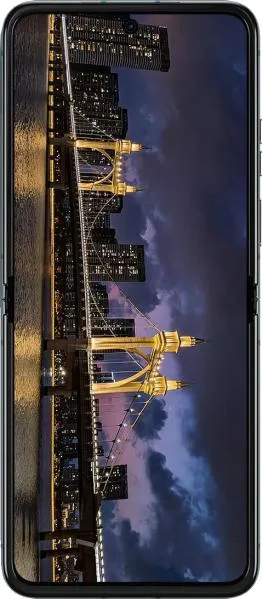
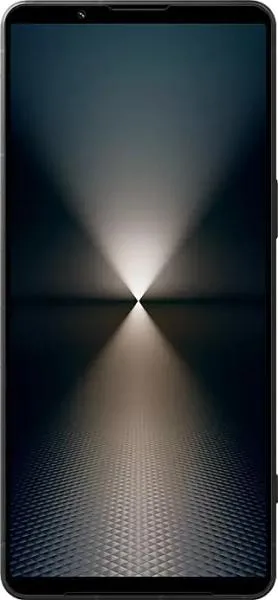
1. Specifications Comparison
| Feature | Motorola Razr 40 Ultra | Sony Xperia 1 VI | Practical Impact |
|---|---|---|---|
| Design | |||
| Form Factor | Foldable | Traditional Slab | Razr offers portability and novelty; Xperia provides a familiar form factor. |
| Dimensions (mm) | 170.8 x 74 x 7 | 162 x 74 x 8.2 | Razr is significantly thinner when folded but taller unfolded. Xperia is more pocketable when unfolded. |
| Weight (g) | 184.5 | 192 | Negligible weight difference in real-world usage. |
| Display | |||
| Display Type | Foldable LTPO AMOLED | LTPO OLED | Razr's folding display enables compact portability and a unique user experience. Xperia offers a larger, uninterrupted canvas. |
| Size (inches) | 6.9 | 6.5 | Razr provides a larger main screen but with a crease. Xperia's screen is more traditional. |
| Resolution | 1080 x 2640 | 1080 x 2340 | Similar pixel density, sharpness should be comparable. Razr is taller due to aspect ratio. |
| Refresh Rate (Hz) | 165 | 120 | Razr offers smoother scrolling and animations. |
| Performance | |||
| Chipset | Snapdragon 8+ Gen 1 | Snapdragon 8 Gen 3 | Xperia boasts a newer, more powerful processor, resulting in potentially faster performance and better efficiency. |
| CPU | Octa-core (1x3.19 GHz X2 & 3x2.75 GHz A710 & 4x1.80 GHz A510) | Octa-core (1x3.3 GHz X4 & 3x3.2 GHz A720 & 2x3.0 GHz A720 & 2x2.3 GHz A520) | Xperia's CPU has a higher clock speed and newer architecture, likely leading to better multi-tasking and demanding application performance. |
| RAM (GB) | 8/12 | 12 | Xperia offers more RAM in this comparison, beneficial for heavy multitasking and demanding apps. |
| Camera | |||
| Main Camera (MP) | 12 | 48 | Xperia has significantly higher resolution, potentially capturing more detail. |
| Other Cameras | 13MP Wide, 32MP Selfie | 12.2MP Wide, 12MP Telephoto, 12MP Selfie | Xperia provides more versatile camera options with dedicated telephoto lens. |
| Video Capabilities | Up to 4K@60fps | Up to 4K@120fps | Xperia offers higher frame rate video recording for smoother slow-motion footage. |
| Battery | |||
| Capacity (mAh) | 3800 | 5000 | Xperia offers significantly longer battery life. Razr's smaller battery is likely due to space constraints of the folding design. |
2. Key Differences Analysis
Motorola Razr 40 Ultra Advantages:
- Portability: The foldable design offers unparalleled portability.
- Novelty: The unique form factor is eye-catching and offers a different user experience.
- Faster Refresh Rate: Smoother scrolling and animations compared to Xperia.
Sony Xperia 1 VI Advantages:
- Performance: More powerful processor and more RAM for demanding tasks.
- Battery Life: Significantly larger battery capacity for extended usage.
- Camera Versatility: Dedicated telephoto lens and higher resolution main sensor.
- Larger Uninterrupted Display: Offers a traditional, larger screen experience without a crease.
3. User Profiles & Recommendations
Motorola Razr 40 Ultra: Ideal for users who prioritize portability and novelty above all else. Best for those who value a compact phone for easy carrying and are willing to compromise on battery life and raw performance. Use cases include frequent travelers, social media enthusiasts who prioritize quick capture moments, and users who value a unique device.
Sony Xperia 1 VI: Suitable for users who prioritize performance, battery life, and camera versatility. Best for mobile gamers, photographers/videographers, and power users who need a reliable device for demanding tasks. Use cases include content creation, gaming, and extended use without frequent charging.
4. Decision Framework
Key Questions for Buyers:
- How important is portability to you? If ultimate portability is paramount, the Razr is the clear winner.
- What is your primary phone usage? For demanding tasks like gaming or content creation, the Xperia's superior performance and battery life are crucial. If it's primarily communication and light social media, the Razr might suffice.
- What is your budget? Both are listed as "medium price," but real-world pricing should be compared considering storage options.
Scenario-Based Recommendations:
- Frequent Traveler: Razr for its compact size.
- Mobile Gamer: Xperia for its performance and battery life.
- Photographer: Xperia for its versatile camera system.
My Choice: Sony Xperia 1 VI
While the Razr 40 Ultra's foldable design is intriguing, the Xperia 1 VI better suits my needs. I prioritize performance, battery life, and a versatile camera system. The Snapdragon 8 Gen 3, coupled with 12GB of RAM, ensures smooth multitasking and handles demanding applications with ease. The larger battery capacity provides peace of mind for extended use without constantly searching for a charger. Finally, the Xperia's camera system, featuring a high-resolution sensor and a dedicated telephoto lens, offers greater flexibility for capturing high-quality photos and videos. The trade-off of a slightly larger form factor is acceptable considering the significant gains in performance, battery life, and camera capabilities. The foldable phone technology is not quite mature enough for me to sacrifice these key features.
