1. Specifications Comparison
| Feature | Motorola Razr 40 Ultra | Sony Xperia 1 V | Practical Impact |
|---|---|---|---|
| Design | |||
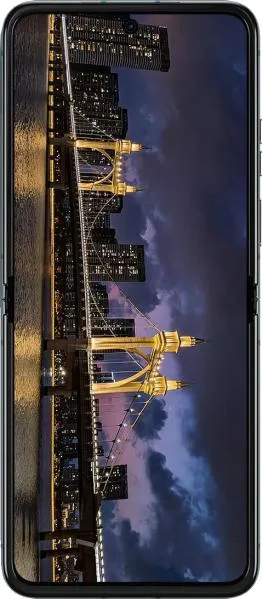
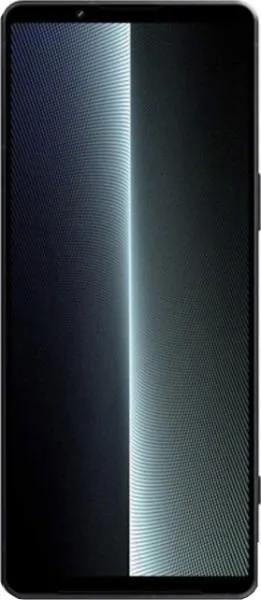
| Dimensions | 170.8 x 74 x 7 mm (folded) | 165 x 71 x 8.3 mm | Razr 40 Ultra is significantly more compact when folded, pocketable; Xperia 1 V is a traditional candybar design. |
| Weight | 184.5g | 187g | Negligible weight difference. |
| Foldable | Yes | No | Razr offers a larger screen in a smaller form factor when folded. |
| Display | |||
| Type | Foldable LTPO AMOLED | OLED | Razr's folding display introduces a crease but allows for a compact design; Xperia 1 V has a flat, potentially more durable screen. |
| Size | 6.9" | 6.5" | Razr offers a larger main screen for media consumption. |
| Resolution | 1080 x 2640 px (413 ppi) | 1644 x 3840 px (643 ppi) | Xperia 1 V has a much sharper display with significantly higher pixel density, resulting in crisper text and images. |
| Refresh Rate | 165Hz | 120Hz | Both offer high refresh rates for smooth scrolling and animations, but the Razr's 165Hz might provide a slightly smoother experience in supported content. |
| Performance | |||
| Chipset | Snapdragon 8+ Gen 1 | Snapdragon 8 Gen 2 | Xperia 1 V has a newer, generally more powerful and efficient chipset, likely resulting in better performance and battery life. |
| CPU | Octa-core (1x3.19 GHz Cortex-X2 & 3x2.75 GHz Cortex-A710 & 4x1.80 GHz Cortex-A510) | Octa-core (1x3.2 GHz Cortex-X3 & 2x2.8 GHz Cortex-A715 & 2x2.8 GHz Cortex-A710 & 3x2.0 GHz Cortex-A510) | Xperia 1 V boasts the latest Cortex-X3 core, offering a performance advantage in demanding tasks. |
| RAM | 8GB/12GB | 12GB | Xperia 1 V offers more RAM in the analyzed variant, potentially improving multitasking and app loading times. |
| Camera | |||
| Main Camera | 12MP (f/1.5) | 48MP (f/1.9) with variable aperture | Xperia 1 V has a significantly higher resolution sensor with a unique variable aperture, potentially offering better low-light performance and depth control. |
| Ultrawide | 13MP (f/2.2) | 12.2MP (f/2.2) | Comparable ultrawide cameras. |
| Telephoto | Not specified | 12MP (f/2.3) 3.5x-5.2x optical zoom | Xperia 1 V offers optical zoom for better quality zoomed shots; Missing telephoto specs for Razr 40 Ultra limit comparison. |
| Battery | |||
| Capacity | 3800 mAh | 5000 mAh | Xperia 1 V has a much larger battery, likely translating to significantly longer battery life. |
2. Key Differences Analysis
Motorola Razr 40 Ultra Advantages:
- Form Factor: The foldable design is the key differentiator, offering a large screen in a compact, pocketable device.
- External Display: Offers a large, functional external display for notifications, quick replies, and specific tasks. (Not explicitly in the data but a known feature)
Sony Xperia 1 V Advantages:
- Performance: Newer, more powerful chipset and more RAM for smoother performance and better multitasking.
- Camera: Higher resolution main sensor with variable aperture, dedicated telephoto lens with optical zoom, and advanced video features.
- Battery Life: Significantly larger battery capacity.
- Display Sharpness: Exceptionally high pixel density for unmatched clarity.
3. User Profiles & Recommendations
Motorola Razr 40 Ultra: Ideal for users who prioritize portability and compactness above all else and value the novelty of a folding phone. Suitable for those who use their phone primarily for social media, communication, and light content consumption.
Sony Xperia 1 V: Best suited for power users, mobile photographers/videographers, and those who demand top-tier performance and battery life. Ideal for gaming, content creation, and consuming media on a sharp display.
4. Decision Framework
Key Questions for Buyers:
- Form Factor Priority: Is a compact, pocketable foldable phone more important than a traditional candybar design?
- Performance Needs: Do you require top-tier processing power for demanding tasks and gaming, or are your needs more basic?
- Camera Importance: Is camera quality a primary concern, or is it a secondary need?
Scenario-Based Recommendations:
- Frequent Traveler: Razr 40 Ultra for its portability.
- Mobile Gamer/Power User: Xperia 1 V for its performance and battery life.
- Photography Enthusiast: Xperia 1 V for its superior camera system.
My Choice: Sony Xperia 1 V
While the Razr 40 Ultra's foldable design is intriguing, the Xperia 1 V's superior performance, camera system, battery life, and incredibly sharp display are more compelling to me. I prioritize a smooth, powerful experience with excellent media consumption and creation capabilities. The larger battery also addresses a key concern with modern smartphones. The Razr's folding screen, while innovative, introduces potential durability concerns and a crease that might impact the viewing experience. The Xperia 1 V's traditional form factor provides a more reliable and immersive experience for my needs.
