1. Specifications Comparison
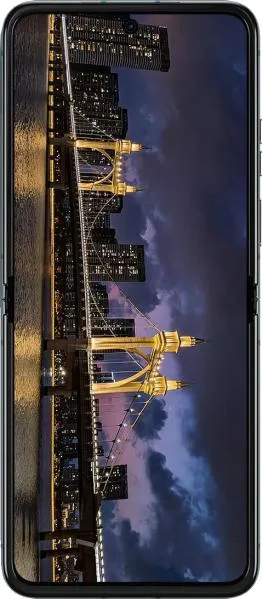
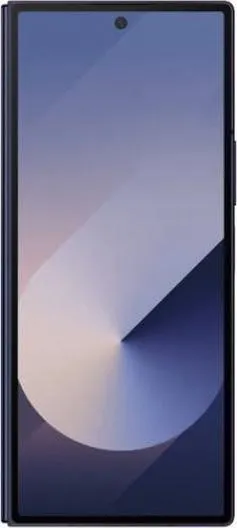
| Feature | Motorola Razr 40 Ultra | Samsung Galaxy Z Fold6 | Practical Impact |
|---|---|---|---|
| Design | |||
| Dimensions | 170.8 x 74 x 7 mm, 184.5g | 153.5 x 132.6 x 5.6 mm (folded), 239g | Razr 40 Ultra is thinner and lighter when folded, more pocketable; Fold6 is wider unfolded, offering more screen real estate. |
| Foldable | Yes (Clamshell) | Yes (Book-style) | Razr folds vertically for compactness; Fold6 folds horizontally for a tablet-like experience. |
| Display | |||
| Type | 6.9" Foldable LTPO AMOLED, 1080x2640, 413 ppi, 165Hz | 7.6" Foldable Dynamic AMOLED 2X, 1856x2160, 374 ppi, 120Hz (Main), 6.3" Cover Display | Razr has a smoother scrolling experience due to higher refresh rate; Fold6 offers a significantly larger main display with a useful cover display. Razr's higher pixel density may result in slightly sharper text and images on the main screen, although the difference might be negligible in real-world use. |
| Performance | |||
| Chipset | Snapdragon 8+ Gen 1 | Snapdragon 8 Gen 3 | Fold6 boasts a newer, more powerful processor resulting in faster performance, better multitasking, and potentially improved power efficiency. |
| RAM | 8GB/12GB | 12GB | Fold6 offers more RAM for smoother multitasking and demanding applications. |
| OS | Android 13 (upgradable to 16) | Android 14 (upgradable to 18) | Fold6 has a newer OS version out-of-the-box and longer software support commitment. |
| Camera | |||
| Main Camera | 12MP, f/1.5 | 50MP, f/1.8 | Fold6's main camera likely captures more detail due to higher resolution; both have wide and ultrawide lenses. Fold6 also offers a dedicated telephoto lens for optical zoom, missing in the Razr. |
| Video | Up to 4K@60fps | Up to 8K@30fps | Fold6 supports higher resolution video recording. |
| Battery | |||
| Capacity | 3800 mAh | 4400 mAh | Fold6 has significantly larger battery capacity, likely translating to longer battery life, especially considering its larger screen. |
2. Key Differences Analysis
Motorola Razr 40 Ultra Advantages:
- More Compact and Portable: Its clamshell design makes it significantly smaller and lighter when folded.
- Higher Refresh Rate Display: 165Hz refresh rate provides a smoother, more responsive user experience for scrolling and gaming.
- Lower Price: Positioned in the medium price range, offering better affordability.
Samsung Galaxy Z Fold6 Advantages:
- Larger Main and Cover Display: Offers a tablet-like experience when unfolded and a functional cover display for quick tasks.
- Significantly More Powerful: Snapdragon 8 Gen 3 chip provides a substantial performance boost.
- More RAM: 12GB RAM ensures smooth multitasking even with demanding applications.
- Better Camera System: Higher resolution sensors, dedicated telephoto lens, and 8K video recording.
- Larger Battery: 4400 mAh battery promises significantly longer usage time.
- Longer Software Support: Newer Android version and longer commitment to updates.
3. User Profiles & Recommendations
Motorola Razr 40 Ultra: Ideal for users prioritizing portability and style. Best for those who:
- Value a compact phone that fits easily in pockets.
- Primarily use their phone for communication, social media, and light content consumption.
- Are on a tighter budget.
Samsung Galaxy Z Fold6: Ideal for power users and multitaskers. Best for those who:
- Want a device that can replace both a phone and a tablet.
- Engage in heavy multitasking, gaming, and media consumption.
- Need a high-quality camera system.
- Are willing to pay a premium for cutting-edge technology.
4. Decision Framework
Key Questions for Buyers:
- Portability vs. Productivity: Do you prioritize a highly pocketable phone or a device with a larger screen for productivity?
- Budget: How much are you willing to spend on a smartphone?
- Power User vs. Casual User: Do you need top-tier performance for demanding tasks or is a mid-range chip sufficient for your needs?
My Choice: Samsung Galaxy Z Fold6
While the Motorola Razr 40 Ultra offers a compelling combination of style and portability, the Samsung Galaxy Z Fold6 is the superior device overall for my needs. The significantly larger screen real estate, vastly improved performance of the Snapdragon 8 Gen 3, superior camera system, and larger battery are crucial factors for my usage. I heavily rely on my phone for productivity, multitasking, and media consumption, making the Fold6's tablet-like experience invaluable. Although the higher price is a consideration, the Fold6's advanced features and longer software support justify the premium for me. The Razr 40 Ultra is a great option for users prioritizing portability and affordability, but the Fold6's comprehensive feature set better aligns with my requirements as a power user.
