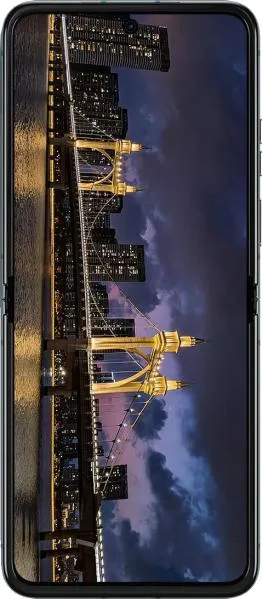
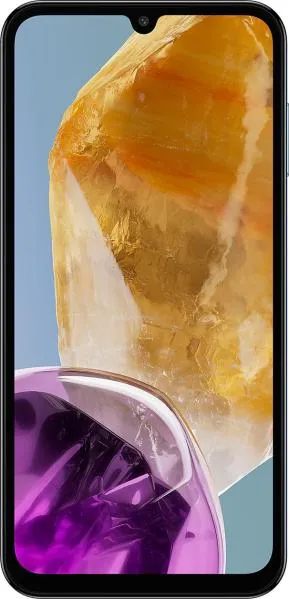
1. Specifications Comparison
| Feature | Motorola Razr 40 Ultra | Samsung Galaxy M15 | Practical Impact |
|---|---|---|---|
| Design | |||
| Dimensions (mm) | 170.8 x 74 x 7 | 160.1 x 76.8 x 9.3 | Razr 40 Ultra significantly thinner and more pocketable due to its foldable design, but wider when unfolded. M15 is thicker and heavier, feeling more substantial in hand. |
| Weight (g) | 184.5 | 217 | Razr 40 Ultra is noticeably lighter, reducing hand fatigue. |
| Foldable | Yes | No | Razr 40 Ultra offers a compact folded state for portability. |
| Display | |||
| Display Type | Foldable LTPO AMOLED | Super AMOLED | Razr 40 Ultra's foldable display allows for a larger screen in a smaller device, but crease may be noticeable. M15 offers a traditional flat display. |
| Size (inches) | 6.9 | 6.5 | Razr 40 Ultra provides more screen real estate for multitasking and media consumption. |
| Resolution | 1080 x 2640 | 1080 x 2340 | Similar sharpness despite size difference due to Razr's taller aspect ratio. |
| Refresh Rate (Hz) | 165 | 90 | Razr 40 Ultra delivers smoother animations and scrolling. |
| Peak Brightness (nits) | 1400 | 800 | Razr 40 Ultra significantly brighter, ensuring better outdoor visibility. |
| Performance | |||
| Chipset | Snapdragon 8+ Gen 1 | Dimensity 6100+ | Razr 40 Ultra offers significantly higher processing power for demanding tasks and gaming. |
| CPU | Octa-core (1x3.19 GHz X2 & 3x2.75 GHz A710 & 4x1.80 GHz A510) | Octa-core (2x2.2 GHz A76 & 6x2.0 GHz A55) | Razr 40 Ultra's CPU architecture is more powerful and efficient. |
| GPU | Adreno 730 | Mali-G57 MC2 | Razr 40 Ultra provides significantly better graphics performance. |
| RAM | 8GB | 4/6GB | More RAM in the Razr 40 Ultra enables better multitasking and app switching. |
| Camera | |||
| Main Camera | 12MP | 50MP | Despite lower resolution, Razr 40 Ultra likely produces better image quality due to superior processing. M15's 50MP sensor might offer higher detail in ideal conditions. |
| Ultrawide | 13MP | 5MP | Razr offers a higher resolution ultrawide lens. |
| Macro | N/A | 2MP | M15 offers a dedicated macro lens, although its practical use depends on sensor quality. |
| Selfie | 32MP | 13MP | Razr has a much higher resolution selfie camera. |
| Video | Up to 4K@60fps | 1080p@30fps | Razr offers superior video recording capabilities. |
| Battery | |||
| Capacity (mAh) | 3800 | 6000 | M15 has significantly larger battery capacity, likely resulting in longer battery life. Razr's smaller battery is a trade-off for its slim foldable design. |
2. Key Differences Analysis
Motorola Razr 40 Ultra Advantages:
- Form Factor: Foldable design for ultimate portability.
- Performance: Flagship-level performance for demanding tasks and gaming.
- Display: Brighter, smoother, and larger display with a higher refresh rate.
- Faster Charging: Supports faster charging speeds (not specified but likely given the chipset).
Samsung Galaxy M15 Advantages:
- Battery Life: Significantly larger battery capacity for extended usage.
- Price: Likely more affordable than the Razr 40 Ultra.
3. User Profiles & Recommendations
Motorola Razr 40 Ultra: Ideal for users who prioritize portability, style, and top-tier performance. Best suited for those who value a compact phone without compromising on performance and are willing to pay a premium. Use cases include:
- On-the-go Professionals: Compact for travel and powerful enough for productivity.
- Trendy Users: Stylish design and cutting-edge technology.
- Content Consumers: Large, vibrant display for immersive media experiences.
Samsung Galaxy M15: Ideal for budget-conscious users who prioritize battery life and basic functionality. Best suited for those who need a reliable phone for everyday tasks without breaking the bank. Use cases include:
- Students: Affordable and long-lasting battery for extended use.
- Casual Users: Primarily using phone for calling, texting, and social media.
- Battery Life Champions: Users who need a phone that can last for extended periods without charging.
4. Decision Framework
Key Questions:
- Is portability a top priority? If yes, the Razr 40 Ultra's foldable design is a significant advantage.
- What is your budget? The M15 offers better value for money for budget-conscious buyers.
- What are your performance needs? For demanding tasks and gaming, the Razr 40 Ultra is significantly more powerful.
Scenario-Based Recommendations:
- Limited Budget, Long Battery Life: Choose the Samsung Galaxy M15.
- Prioritize Portability and Style: Choose the Motorola Razr 40 Ultra.
- Need Top-Tier Performance: Choose the Motorola Razr 40 Ultra.
My Choice: Motorola Razr 40 Ultra
While the Samsung Galaxy M15 offers incredible battery life at a lower price, the Motorola Razr 40 Ultra aligns better with my personal preferences. I value the portability and innovative design of a foldable phone. The significantly superior performance and display are crucial for my workflow and entertainment consumption. While the battery life might be a concern, I am willing to compromise on this aspect for the benefits of a foldable device with flagship-level specifications. The smoother software experience offered by the higher refresh rate display and the powerful chipset are also strong deciding factors. I appreciate having a device that can handle demanding tasks without lagging and provides a visually appealing experience. The compact size when folded is a huge advantage for portability.
