1. Specifications Comparison
| Feature | Motorola Razr 40 Ultra | Samsung Galaxy A15 | Practical Impact |
|---|---|---|---|
| Design | |||
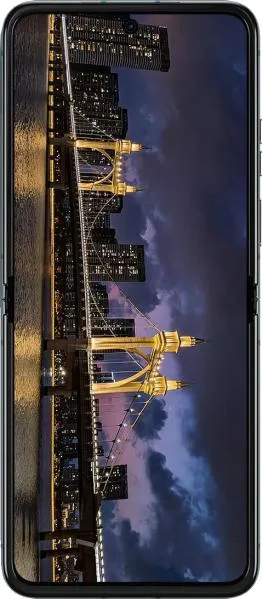
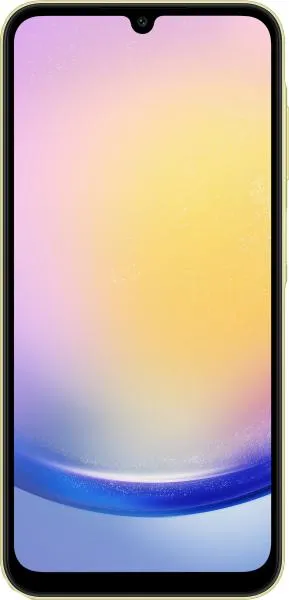
| Dimensions (mm) | 170.8 x 74 x 7 | 160.1 x 76.8 x 8.4 | Razr 40 Ultra significantly thinner and more pocketable due to foldable design; A15 larger and thicker. |
| Weight (g) | 184.5 | 200 | Razr 40 Ultra lighter despite larger main display. |
| Foldable | Yes | No | Razr 40 Ultra offers compact portability when folded; A15 is a traditional slab phone. |
| Display | |||
| Display Type | Foldable LTPO AMOLED | Super AMOLED | Razr 40 Ultra's foldable display allows for a larger screen in a smaller device; potential crease visibility. A15 offers a standard, durable screen. |
| Size (inches) | 6.9 | 6.5 | Razr 40 Ultra provides more screen real estate for media consumption and multitasking. |
| Resolution (px) | 1080 x 2640 | 1080 x 2340 | Similar sharpness due to similar pixel density; Razr's taller aspect ratio better for scrolling. |
| Refresh Rate (Hz) | 165 | 90 | Razr 40 Ultra offers smoother animations and scrolling; impacts battery life more. |
| Peak Brightness (nits) | 1400 | 800 | Razr 40 Ultra significantly brighter, improving outdoor visibility. |
| Performance | |||
| Chipset | Snapdragon 8+ Gen 1 | Mediatek Helio G99 | Razr 40 Ultra vastly more powerful, enabling demanding gaming and multitasking. A15 sufficient for everyday tasks. |
| CPU | Octa-core (1x3.19 GHz Cortex-X2 & 3x2.75 GHz Cortex-A710 & 4x1.80 GHz Cortex-A510) | Octa-core (2x2.2 GHz Cortex-A76 & 6x2.0 GHz Cortex-A55) | Razr 40 Ultra offers significantly faster processing speeds. |
| GPU | Adreno 730 | Mali-G57 MC2 | Razr 40 Ultra provides superior graphics performance for gaming and visually intensive applications. |
| RAM (GB) | 8/12 | 4/6/8 | Razr 40 Ultra generally offers more RAM, improving multitasking and app performance. |
| Camera | |||
| Main Camera (MP) | 12 | 50 | A15 has higher megapixel count; image quality depends on sensor size, processing, and other factors not fully specified. |
| Video Recording | Up to 4K@60fps with HDR, EIS | 1080p@30fps | Razr 40 Ultra offers higher resolution and frame rate video recording with better stabilization. |
| Battery | |||
| Capacity (mAh) | 3800 | 5000 | A15 has a significantly larger battery capacity, likely resulting in longer battery life. Razr 40 Ultra's higher refresh rate and powerful processor will consume more power. |
2. Key Differences Analysis
Motorola Razr 40 Ultra Advantages:
- Form Factor: Foldable design offers unmatched portability.
- Performance: Significantly more powerful for demanding tasks and gaming.
- Display: Larger, brighter, and smoother display for better media consumption.
- Premium Features: Faster charging, more advanced camera features (based on video capabilities).
Samsung Galaxy A15 Advantages:
- Battery Life: Larger battery capacity suggests significantly longer usage time.
- Affordability: Likely more budget-friendly.
- Durability: Traditional slab design potentially more robust than a foldable phone.
3. User Profiles & Recommendations
Motorola Razr 40 Ultra: Ideal for users who prioritize portability and cutting-edge technology, willing to pay a premium for a compact, powerful device. Best for those who value a large, high-quality display for media consumption and multitasking.
Samsung Galaxy A15: Suitable for budget-conscious users prioritizing battery life and reliability. Best for those seeking a simple, long-lasting phone for basic communication and tasks.
4. Decision Framework
Key Questions for Buyers:
- Budget: How much are you willing to spend?
- Priority: Portability and performance or battery life and affordability?
- Use Case: Demanding tasks and media consumption or basic communication and web browsing?
My Choice: Motorola Razr 40 Ultra
While the Samsung Galaxy A15 offers excellent battery life and affordability, the Motorola Razr 40 Ultra aligns better with my personal preferences. I value the compactness and portability offered by the foldable design, and the significantly superior performance and display quality are crucial for my usage. The trade-off of potentially shorter battery life is acceptable considering the benefits gained. I often use my phone for demanding tasks, multitasking, and media consumption, making the Razr 40 Ultra a more suitable choice. While the A15 excels in battery life, I prioritize the innovative form factor and premium user experience of the Razr.
