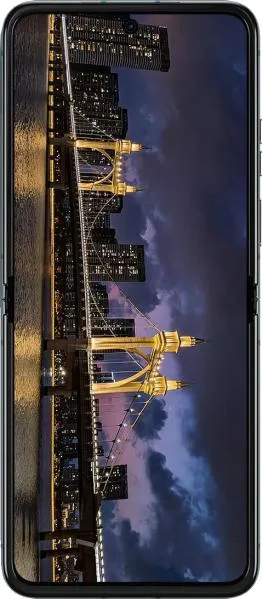
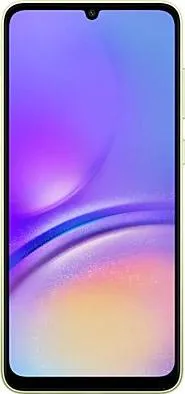
1. Specifications Comparison
| Feature | Motorola Razr 40 Ultra | Samsung Galaxy A05 | Practical Impact |
|---|---|---|---|
| Design | |||
| Dimensions (mm) | 170.8 x 74 x 7 | 168.8 x 78.2 x 8.8 | Razr 40 Ultra significantly thinner due to foldable design; A05 larger and thicker. Impacts pocketability and one-handed use. |
| Weight (g) | 184.5 | 195 | Razr 40 Ultra lighter despite larger main screen due to thin build. Noticeable difference in hand. |
| Foldable | Yes | No | Razr's foldable design offers compact portability and a unique form factor. A05 is a traditional slab phone. |
| Display | |||
| Display Type | Foldable LTPO AMOLED | PLS LCD | Razr boasts superior contrast, vibrant colors, and power efficiency due to AMOLED and LTPO. A05's LCD is less impressive visually. |
| Size (inches) | 6.9 | 6.7 | Similar screen sizes, but Razr's foldable nature makes it smaller when closed. |
| Resolution | 1080 x 2640 | 720 x 1600 | Razr offers much sharper visuals (413 ppi vs 262 ppi). Noticeable difference in clarity for text, images, and videos. |
| Refresh Rate | 165Hz | Unspecified | Razr's high refresh rate provides smoother scrolling and animations. Lack of A05 refresh rate specification hinders direct comparison, but likely lower impacting smoothness. |
| Performance | |||
| Chipset | Snapdragon 8+ Gen 1 | MediaTek Helio G85 | Razr vastly outperforms A05 in processing power. Impacts gaming, multitasking, and app loading speeds. |
| CPU | Octa-core (up to 3.19 GHz) | Octa-core (up to 2.0 GHz) | Razr's CPU has significantly higher clock speeds, resulting in faster performance. |
| RAM | 8GB/12GB | 4GB/6GB | Razr offers more RAM, enabling better multitasking and smoother performance with demanding apps. |
| Camera | |||
| Main Camera | 12MP | 50MP | Despite lower resolution, Razr likely produces better image quality due to superior processing and potentially larger sensor size (unspecified for both). MegaPixel count is not the sole indicator of image quality. |
| Selfie Camera | 32MP | 8MP | Razr's higher resolution selfie camera potentially captures more detail. |
| Video | Up to 4K@60fps with HDR, EIS | Up to 1080p@60fps | Razr offers higher resolution and frame rate video recording with HDR for better dynamic range. |
| Battery | |||
| Capacity | 3800 mAh | 5000 mAh | A05 has a larger battery capacity, potentially lasting longer on a single charge. Razr's smaller battery is likely a trade-off for its slim foldable design. |
2. Key Differences Analysis
Motorola Razr 40 Ultra Advantages:
- Significantly more powerful: Superior chipset, CPU, and RAM for smoother performance.
- Higher quality display: Foldable AMOLED with higher resolution, refresh rate, and better color accuracy.
- More premium design: Slim, foldable form factor.
- Better camera features: Higher resolution selfie camera, 4K video recording with HDR and EIS.
Samsung Galaxy A05 Advantages:
- Larger battery capacity: Potentially longer battery life.
- Lower price: Significantly more affordable.
3. User Profiles & Recommendations
Motorola Razr 40 Ultra: Ideal for users who prioritize performance, a premium design, a compact form factor, and cutting-edge technology. Best for demanding tasks, multimedia consumption, and those who value portability and aesthetics.
Samsung Galaxy A05: Suitable for budget-conscious users who prioritize basic functionality, long battery life, and affordability over high performance or premium features. Best for casual use, calling, texting, and light browsing.
4. Decision Framework
Key Questions for Buyers:
- What is your budget? The Razr is significantly more expensive.
- What are your performance needs? For demanding tasks and gaming, the Razr is essential.
- How important is portability and design? The Razr's foldable design offers unique portability advantages.
My Choice: Motorola Razr 40 Ultra
While the Samsung Galaxy A05 offers excellent value for its price, the Motorola Razr 40 Ultra is the clear winner for me. I prioritize performance, a high-quality display, and innovative design. The Razr's foldable form factor, powerful chipset, and stunning AMOLED screen provide a superior user experience. While the battery life might be a slight concern, the overall package offered by the Razr, including its advanced camera features, outweighs this drawback for my usage patterns. The A05 is a solid budget option, but it doesn't offer the cutting-edge experience I seek. The Razr's higher price is justified by its significantly superior features and overall quality.
