
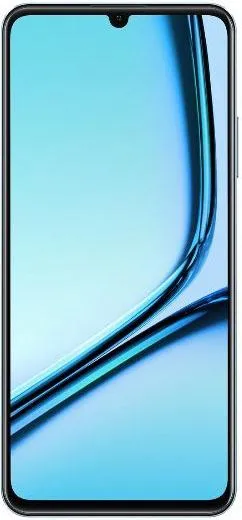
1. Specifications Comparison
| Feature | Motorola Razr 40 Ultra | Realme Note 50 | Practical Impact |
|---|---|---|---|
| Design | |||
| Dimensions (mm) | 170.8 x 74 x 7 | 167.2 x 76.7 x 8 | Razr 40 Ultra significantly thinner due to foldable design; Note 50 slightly taller and wider. |
| Weight (g) | 184.5 | 186 | Negligible weight difference. |
| Foldable | Yes | No | Razr's foldable design offers portability and a unique form factor. Note 50 is a traditional slab phone. |
| Display | |||
| Display Type | Foldable LTPO AMOLED | IPS LCD | Razr boasts superior contrast, deeper blacks, and potentially better power efficiency with AMOLED and LTPO. Note 50's IPS LCD is less vibrant and power-hungry. |
| Size (inches) | 6.9 | 6.74 | Comparable screen sizes, but Razr's foldable nature makes it smaller when closed. |
| Resolution | 1080 x 2640 | 720 x 1600 | Razr has a much sharper display (413 ppi vs 260 ppi), resulting in clearer text and images. Note 50's display will appear pixelated in comparison. |
| Refresh Rate (Hz) | 165 | 90 | Razr offers smoother scrolling and animations with its higher refresh rate. |
| Performance | |||
| Chipset | Snapdragon 8+ Gen 1 | Unisoc Tiger T612 | Razr's flagship Snapdragon chipset offers significantly faster processing, enabling demanding gaming, multitasking, and quicker app loading. Note 50's budget chipset will struggle with demanding tasks. |
| CPU | Octa-core (1x3.19 GHz Cortex-X2 & 3x2.75 GHz Cortex-A710 & 4x1.80 GHz Cortex-A510) | Octa-core (2x1.8 GHz Cortex-A75 & 6x1.8 GHz Cortex-A55) | Razr's CPU architecture is far superior, offering a substantial performance advantage in all areas. |
| GPU | Adreno 730 | Mali-G57 | Razr's GPU provides a dramatically better gaming and graphics rendering experience. |
| RAM | 8GB | 3GB/4GB | Razr's larger RAM allows for smoother multitasking and keeps more apps open in the background. Note 50 may experience more frequent app closures and slower performance with multiple apps. |
| Camera | |||
| Main Camera | 12MP f/1.5 | 13MP f/2.2 | While Note 50 has slightly higher megapixels, Razr's wider aperture (f/1.5) allows for better low-light performance and depth of field. Image quality will likely be better on the Razr due to the superior processing power. |
| Video | Up to 4K@60fps with HDR, EIS | 1080p@30fps | Razr offers significantly better video recording capabilities with higher resolution, frame rate, and HDR support. |
| Battery | |||
| Capacity (mAh) | 3800 | 5000 | Note 50 has a larger battery capacity, potentially offering longer battery life. However, Razr's more efficient display and processor could offset this difference. |
2. Key Differences Analysis
Motorola Razr 40 Ultra Advantages:
- Significantly more powerful: Superior chipset, CPU, GPU, and RAM provide a vastly improved user experience in terms of speed, responsiveness, and multitasking.
- Higher quality display: Sharper, more vibrant, and smoother thanks to AMOLED technology, higher resolution, and higher refresh rate.
- Premium foldable design: Offers portability and a unique form factor.
- Better camera features: Wider aperture for main camera and superior video recording capabilities.
Realme Note 50 Advantages:
- Larger battery capacity: Potentially longer battery life, though real-world usage may vary.
- Lower price: Significantly more affordable.
Trade-offs:
- Razr 40 Ultra: Lower battery capacity, significantly higher price.
- Realme Note 50: Lower performance, less impressive display, basic camera features.
3. User Profiles & Recommendations
Motorola Razr 40 Ultra: Ideal for users who prioritize performance, a premium design, a high-quality display, and portability. Suitable for demanding tasks, gaming, media consumption, and those who value a unique, compact form factor.
Realme Note 50: Best suited for budget-conscious users who prioritize basic functionality, long battery life, and simple usage. Suitable for calling, texting, web browsing, and light social media usage. Not recommended for demanding tasks or gaming.
4. Decision Framework
Key Questions for Buyers:
- What is your budget? The Razr 40 Ultra is significantly more expensive.
- What are your performance needs? For demanding tasks or gaming, the Razr is essential.
- How important is portability and design? The Razr's foldable design offers a unique advantage.
Scenario-Based Recommendations:
- Heavy user, gamer, high budget: Motorola Razr 40 Ultra
- Light user, basic needs, low budget: Realme Note 50
- User who values portability and style, moderate budget: Consider the Razr 40 Ultra if the budget allows; otherwise, explore other non-foldable options in the mid-range price segment.
My Choice: Motorola Razr 40 Ultra
While the Realme Note 50 offers a larger battery and a significantly lower price, the Motorola Razr 40 Ultra is the superior device overall. The vastly improved performance, stunning display, and unique foldable design outweigh the price difference for me. I prioritize a smooth and responsive user experience, a high-quality display for media consumption, and the convenience of a pocketable device. The Razr 40 Ultra delivers on all these fronts, making it the clear winner despite the higher cost. The performance difference alone would significantly impact daily usage, making the Razr a worthwhile investment in the long run.
