1. Specifications Comparison
| Feature | Motorola Razr 40 Ultra | Realme 11 | Practical Impact |
|---|---|---|---|
| Design | |||
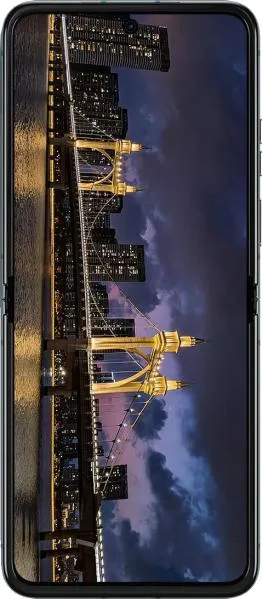
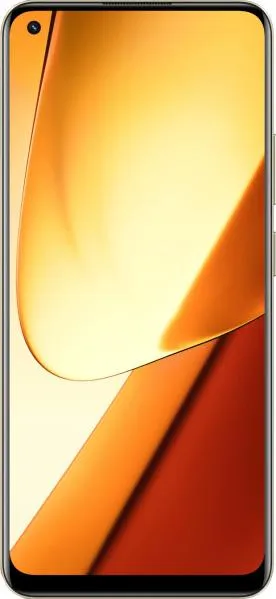
| Dimensions (mm) | 170.8 x 74 x 7 | 165.7 x 76 x 8.1 | Razr 40 Ultra is significantly thinner and slightly shorter when unfolded, making it more pocketable. Realme 11 is a traditional candybar design. |
| Weight (g) | 184.5 | 190 | Razr 40 Ultra is slightly lighter despite its complex folding mechanism. |
| Foldable | Yes | No | Razr 40 Ultra offers a compact folded state for portability, transforming into a larger screen when unfolded. Realme 11 offers a standard form factor. |
| Display | |||
| Display Type | Foldable LTPO AMOLED | IPS LCD | Razr 40 Ultra's AMOLED offers deeper blacks, richer colors, and potentially better power efficiency due to LTPO. Realme 11's IPS LCD is generally less vibrant. |
| Display Size (inches) | 6.9 | 6.72 | Comparable screen real estate when the Razr 40 Ultra is unfolded. |
| Resolution | 1080 x 2640 | 1080 x 2400 | Similar sharpness, but the Razr 40 Ultra's taller aspect ratio provides more vertical content. |
| Refresh Rate (Hz) | 165 | 120 | Razr 40 Ultra provides a smoother scrolling and gaming experience thanks to the higher refresh rate. |
| Peak Brightness (nits) | 1400 | 680 | Razr 40 Ultra is significantly brighter, offering better outdoor visibility. |
| Performance | |||
| Chipset | Snapdragon 8+ Gen 1 | Dimensity 6100+ | Razr 40 Ultra's flagship Snapdragon chip offers significantly better performance in demanding tasks like gaming and multitasking. |
| CPU | Octa-core (1x3.19 GHz X2 & 3x2.75 GHz A710 & 4x1.80 GHz A510) | Octa-core (2x2.2 GHz A76 & 6x2.0 GHz A55) | Razr 40 Ultra's CPU architecture is more powerful and efficient. |
| GPU | Adreno 730 | Mali-G57 MC2 | Razr 40 Ultra's GPU provides a substantial advantage in graphics performance. |
| RAM (GB) | 8/12 | 8 | Both offer ample RAM for most users, though the Razr 40 Ultra offers a 12GB option for even more demanding tasks. |
| Camera | |||
| Main Camera (MP) | 12 | 64 | Despite lower megapixel count, the Razr 40 Ultra likely benefits from a larger sensor and wider aperture (1.5 vs 1.79), potentially offering better low-light performance. We lack detailed sensor information to make a definitive conclusion. |
| Selfie Camera (MP) | 32 | 8 | Razr 40 Ultra boasts a significantly higher resolution selfie camera. |
| Video Recording | Up to 4K@60fps with HDR, EIS | 1080p@30fps | Razr 40 Ultra offers higher resolution and frame rate video recording with HDR and enhanced image stabilization. |
| Battery | |||
| Capacity (mAh) | 3800 | 5000 | Realme 11 has a larger battery capacity, likely providing longer battery life. The Razr 40 Ultra's foldable design and powerful processor might consume more power. |
2. Key Differences Analysis
Motorola Razr 40 Ultra Advantages:
- Form Factor: The foldable design provides unique portability and a larger screen when needed.
- Superior Display: Brighter, more vibrant AMOLED with a faster refresh rate.
- Flagship Performance: Significantly more powerful processor and GPU for demanding tasks.
- External Display Utility: The larger cover screen allows for greater functionality without unfolding.
Realme 11 Advantages:
- Battery Life: Larger battery capacity likely results in longer usage time.
- Price: Generally more affordable than the Razr 40 Ultra.
- Durability: Traditional candybar phones tend to be more durable than foldables.
3. User Profiles & Recommendations
Motorola Razr 40 Ultra: Ideal for users who prioritize portability and a premium experience. Suitable for those who value a compact phone without sacrificing screen size when needed, and who engage in demanding tasks like gaming or content creation. The unique form factor also caters to a specific aesthetic preference.
Realme 11: Best suited for budget-conscious users who prioritize battery life and reliable performance for everyday tasks like browsing, social media, and casual gaming. A good option for those seeking a durable and straightforward smartphone.
4. Decision Framework
Key Questions for Buyers:
- Form Factor Preference: Is a foldable design a priority, or do you prefer a traditional smartphone?
- Performance Needs: Do you require flagship-level performance for demanding tasks, or is moderate performance sufficient?
- Budget: Is the premium price of the Razr 40 Ultra justifiable, or are you seeking a more affordable option?
My Choice: Motorola Razr 40 Ultra
While the Realme 11 offers excellent value for its price, I would choose the Motorola Razr 40 Ultra. The foldable form factor appeals to me greatly, as it provides a unique blend of portability and a large screen when needed. I value a premium user experience, and the Razr 40 Ultra delivers with its superior display, powerful performance, and innovative design. While the battery life might be a concern, I'm willing to compromise on that aspect for the overall package offered by the Razr 40 Ultra. The higher refresh rate and brighter display, along with the significantly faster processor, make it a more compelling device for my usage pattern. I often use my phone for demanding tasks and appreciate the smooth, responsive experience a flagship device provides. While the price is higher, I find the combination of innovation, performance, and portability worth the investment.
