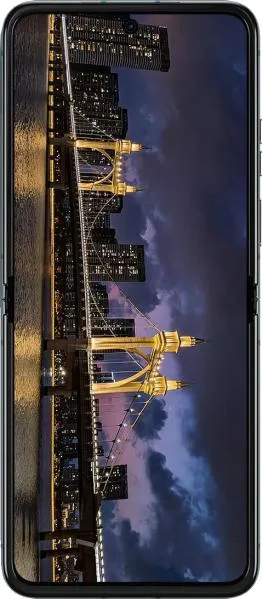
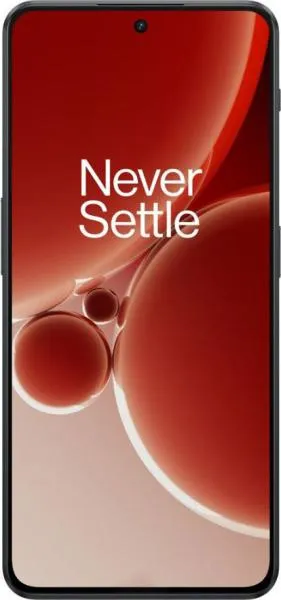
1. Specifications Comparison
| Feature | Motorola Razr 40 Ultra | OnePlus Nord 3 | Practical Impact |
|---|---|---|---|
| Design | |||
| Form Factor | Foldable | Standard | Razr offers portability and a unique form factor; Nord 3 is a traditional slab phone. |
| Dimensions (mm) | 170.8 x 74 x 7 | 162 x 75.1 x 8.2 | Razr is significantly thinner when folded but wider when unfolded. Nord 3 is more pocketable in its single form. |
| Weight (g) | 184.5 | 193.5 | Razr is slightly lighter. |
| Display | |||
| Display Type | Foldable LTPO AMOLED | Fluid AMOLED | Razr's foldable display allows for a larger screen in a smaller device; Nord 3 offers a larger, uninterrupted display. |
| Size (inches) | 6.9 | 6.74 | Negligible difference in screen real estate when the Razr is unfolded. |
| Resolution | 1080 x 2640 | 1240 x 2772 | Nord 3 has a slightly sharper display due to higher resolution. |
| Refresh Rate (Hz) | 165 | 120 | Razr offers smoother scrolling and animations. |
| Peak Brightness (nits) | 1400 | 1450 | Nord 3 might be slightly more visible in direct sunlight. The difference is negligible. |
| Performance | |||
| Chipset | Snapdragon 8+ Gen 1 | Dimensity 9000 | Both are high-performance chipsets, but Snapdragon 8+ Gen 1 generally benchmarks slightly higher. Real-world performance differences might be minimal for average users. |
| CPU | Octa-core (1x3.19 GHz Cortex-X2 & 3x2.75 GHz Cortex-A710 & 4x1.80 GHz Cortex-A510) | Octa-core (1x3.05 GHz Cortex-X2 & 3x2.85 GHz Cortex-A710 & 4x1.80 GHz Cortex-A510) | Very similar CPU configurations; performance differences will likely be minor in everyday tasks. |
| GPU | Adreno 730 | Mali-G710 MC10 | Adreno 730 generally offers better gaming performance. |
| RAM (GB) | 8/12 | 8/16 | More RAM in the Nord 3's top configuration enables better multitasking and app switching. |
| Camera | |||
| Main Camera (MP) | 12 | 50 | Nord 3 boasts significantly higher resolution on its main sensor, potentially capturing more detail. |
| Ultrawide (MP) | 13 | 8 | Razr has a higher resolution ultrawide lens. |
| Selfie (MP) | 32 | 16 | Razr offers a much higher resolution selfie camera. The cover screen can also be used with the rear cameras for high-quality selfies. |
| Battery | |||
| Capacity (mAh) | 3800 | 5000 | Nord 3 has significantly larger battery capacity, likely translating to longer battery life. The Razr's smaller battery is likely due to space constraints from the folding design. |
2. Key Differences Analysis
Motorola Razr 40 Ultra Advantages:
- Portability: The foldable design offers unmatched portability.
- Unique Form Factor: The flip phone nostalgia and compact size are differentiating factors.
- High Refresh Rate Display: Smoother visuals for gaming and everyday use.
- External Display Utility: Allows for quick interactions without unfolding.
OnePlus Nord 3 Advantages:
- Larger Battery: Significantly longer battery life.
- Higher Resolution Main Camera: Potentially better image quality in various conditions.
- Larger, Uninterrupted Display: Provides a more immersive experience for media consumption and gaming when unfolded.
- Lower Price: Generally more affordable than the Razr.
Trade-offs:
- Razr: Smaller battery for portability, potentially higher price.
- Nord 3: Less portable, lower resolution ultrawide and selfie cameras.
3. User Profiles & Recommendations
Motorola Razr 40 Ultra: Ideal for users who prioritize portability and a unique design, and are willing to compromise on battery life for it. Best for users who value quick interactions via the cover screen and appreciate a compact phone.
OnePlus Nord 3: Suitable for users who prioritize battery life, performance, and a larger display. A good choice for those seeking a traditional smartphone experience with a strong price-to-performance ratio.
4. Decision Framework
Key Questions for Buyers:
- How important is portability? If ultimate portability is paramount, the Razr is the clear winner.
- What is your budget? The Nord 3 generally offers better value for its price.
- What are your primary use cases? For social media, quick interactions, and portability, the Razr excels. For gaming, media consumption, and all-day battery life, the Nord 3 is better suited.
My Choice: OnePlus Nord 3
While the Razr 40 Ultra is incredibly innovative and appealing, the Nord 3 better suits my needs. I prioritize battery life and a large, uninterrupted display for media consumption and productivity. The Nord 3's strong performance, capable camera system, and lower price make it a more practical choice for my daily usage. Although I appreciate the Razr's unique design, the trade-offs in battery life and price are significant enough for me to opt for the Nord 3. The slightly better camera resolution on the main lens of the Nord 3 is also a plus.
