1. Specifications Comparison
| Feature | Motorola Razr 40 Ultra | Nothing Phone (2a) | Practical Impact |
|---|---|---|---|
| Design | |||
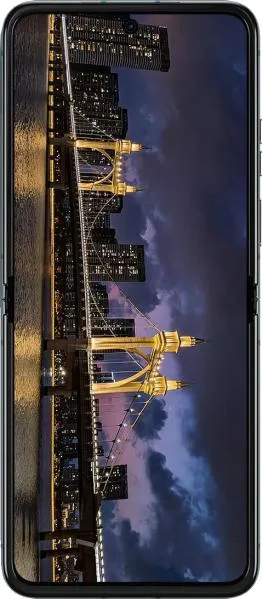
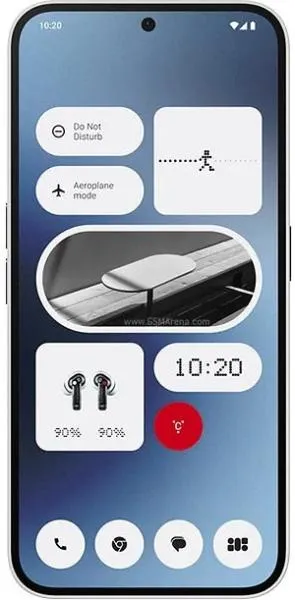
| Form Factor | Foldable | Standard Slab | Razr offers portability and a unique form factor; Phone (2a) is more traditional. |
| Dimensions (mm) | 170.8 x 74 x 7 | 161.7 x 76.3 x 8.6 | Razr is significantly thinner when folded but taller unfolded. Phone (2a) is larger overall. |
| Weight (g) | 184.5 | 190 | Negligible weight difference in practical usage. |
| Display | |||
| Display Type | Foldable LTPO AMOLED | AMOLED | Razr's folding display allows for a larger screen in a smaller device; Phone (2a) has a standard, slightly larger display. |
| Size (inches) | 6.9 | 6.7 | Razr offers more screen real estate when unfolded. |
| Resolution | 1080 x 2640 | 1080 x 2412 | Similar sharpness; Razr is slightly taller. |
| Refresh Rate (Hz) | 165 | 120 | Razr provides smoother animations and scrolling. |
| Peak Brightness (nits) | 1400 | 1300 | Razr offers slightly better visibility in direct sunlight. |
| Performance | |||
| Chipset | Snapdragon 8+ Gen 1 | Dimensity 7200 Pro | Both are powerful chips, but Snapdragon 8+ Gen 1 generally offers better performance in demanding tasks and gaming. |
| CPU | Octa-core (1x3.19 GHz Cortex-X2 & 3x2.75 GHz Cortex-A710 & 4x1.80 GHz Cortex-A510) | Octa-core (2x2.8 GHz Cortex-A715 & 6x 2.0 Cortex-A510) | Snapdragon 8+ Gen 1's architecture provides a performance advantage. |
| GPU | Adreno 730 | Mali-G610 MC4 | Adreno 730 generally offers superior graphics performance. |
| RAM (GB) | 8/12 | 8/12 | Both offer ample RAM for multitasking. 12GB option provides more headroom for future-proofing. |
| Camera | |||
| Main Camera (MP) | 12 | 50 | Nothing Phone (2a) has a higher resolution main sensor, potentially capturing more detail. |
| Ultrawide (MP) | 13 | 50 | Nothing Phone (2a) boasts a significantly higher resolution ultrawide, allowing for detailed wide shots. |
| Selfie (MP) | 32 | 32 | Similar selfie camera resolution. |
| Video | Up to 4K@60fps with HDR, EIS | Up to 4K@30fps with EIS | Razr supports higher resolution video recording at 60fps. |
| Battery | |||
| Capacity (mAh) | 3800 | 5000 | Phone (2a) offers significantly longer battery life. |
| OS | Android 13 | Android 14 | Phone (2a) ships with a newer Android version, offering potential feature and security advantages. |
2. Key Differences Analysis
Motorola Razr 40 Ultra Advantages:
- Form Factor: The foldable design offers unparalleled portability and a unique user experience.
- Higher Refresh Rate Display: Smoother scrolling and animations contribute to a more premium feel.
- More Powerful Chipset: Better performance for demanding tasks and gaming.
- Higher Resolution Video Recording: Captures smoother and more detailed videos.
Nothing Phone (2a) Advantages:
- Significantly Longer Battery Life: Reduces the need for frequent charging.
- Larger Standard Display: Provides a more immersive experience for media consumption when unfolded size is not a priority.
- Higher Resolution Cameras: Potentially captures more detailed photos, especially with the ultrawide lens.
- Newer Android Version: Access to the latest features and security updates.
3. User Profiles & Recommendations
Motorola Razr 40 Ultra: Ideal for users who prioritize portability and a unique, compact design and are willing to compromise on battery life for it. Best for those who value a premium feel with a smooth display and powerful performance. Suitable for users who frequently use their phone for short bursts and can charge it throughout the day.
Nothing Phone (2a): Ideal for users who prioritize battery life and a larger standard display. Suitable for users who consume a lot of media, play games moderately, and need a phone that can last a full day on a single charge. A good choice for those seeking a balance of performance, features, and battery life.
4. Decision Framework
Key Questions for Buyers:
- How important is portability to you? A foldable phone significantly reduces pocket bulk.
- How heavily do you use your phone throughout the day? Battery life becomes crucial with heavy usage.
- What is your budget and what do you value most in a smartphone? (e.g., performance, camera, battery life, unique features).
My Choice: Nothing Phone (2a)
While the Razr 40 Ultra is a compelling device with its unique foldable design and powerful performance, the Nothing Phone (2a)'s significantly longer battery life, newer OS, and competitive camera system make it a more practical choice for my needs. I prioritize all-day battery life and appreciate the larger standard display for media consumption. The performance difference between the two chipsets, while noticeable in benchmarks, is less significant in day-to-day usage for my needs. Although I find the foldable design innovative, the trade-offs in battery life and potential durability concerns outweigh the benefits for me personally. The Phone (2a) offers a better balance of features and practicality for my usage patterns.
