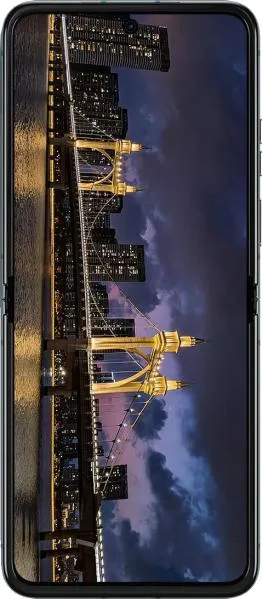
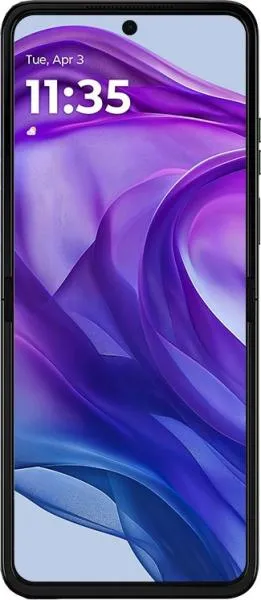
1. Specifications Comparison
| Feature | Motorola Razr 40 Ultra | Motorola Razr 50 Ultra | Practical Impact |
|---|---|---|---|
| Design | |||
| Dimensions (mm) | 170.8 x 74 x 7 | 171.4 x 74 x 7.1 | Razr 50 Ultra slightly taller and thicker |
| Weight (g) | 184.5 | 189 | Negligible weight difference in real-world use |
| Foldable | Yes | Yes | Both offer foldable screen convenience and portability |
| Display | |||
| Size (inches) | 6.9 | 6.9 | Same screen size |
| Resolution (px) | 1080 x 2640 | 1080 x 2640 | Identical resolution and sharpness |
| Refresh Rate (Hz) | 165 | 165 | Equally smooth scrolling and animations |
| Peak Brightness (nits) | 1400 | 3000 | Razr 50 Ultra significantly brighter for better outdoor visibility |
| Dolby Vision | No | Yes | Razr 50 Ultra supports Dolby Vision for enhanced HDR content |
| Performance | |||
| Chipset | Snapdragon 8+ Gen 1 | Snapdragon 8s Gen 3 | Razr 50 Ultra has a newer, potentially more powerful processor |
| CPU | Octa-core (1x3.19 GHz X2 & 3x2.75 GHz A710 & 4x1.80 GHz A510) | Octa-core (1x3.0 GHz X4 & 4x2.8 GHz A720 & 3x2.0 GHz A520) | Architectural differences; real-world performance comparison requires benchmarks |
| GPU | Adreno 730 | Adreno 735 | Razr 50 Ultra likely has slightly improved graphics performance |
| RAM (GB) | 8/12 | 12 | Razr 50 Ultra offers more RAM for better multitasking |
| Camera | |||
| Main Camera (MP) | 12 | 50 | Razr 50 Ultra has a much higher resolution main sensor, potentially capturing more detail |
| Telephoto | No | 50MP (2x Optical Zoom) | Razr 50 Ultra offers optical zoom for better image quality at a distance |
| Selfie Camera (MP) | 32 | 32 | Same selfie camera resolution |
| Battery | |||
| Capacity (mAh) | 3800 | 4000 | Razr 50 Ultra has a slightly larger battery, potentially offering longer battery life |
2. Key Differences Analysis
Motorola Razr 50 Ultra Advantages:
- Brighter Display: The 3000 nits peak brightness makes a huge difference in outdoor readability.
- Newer Processor and GPU: Potentially faster performance and improved graphics.
- More RAM: 12GB ensures smoother multitasking and less app reloading.
- Significantly Upgraded Camera System: The 50MP main camera and the addition of a 50MP telephoto lens with 2x optical zoom greatly enhance photographic capabilities.
- Larger Battery: Potentially longer usage time.
- Dolby Vision Support: Enhanced visual experience for supported content.
- Wi-Fi 7 Support: While not widespread yet, future-proofs the device for faster wireless speeds.
- Higher Resolution Slow Motion Video: 960 fps on the 50 Ultra vs. max 120fps on the 40 Ultra
Motorola Razr 40 Ultra Advantages:
- Potentially Lower Price: Given it's an older model.
3. User Profiles & Recommendations
Razr 40 Ultra: Budget-conscious users who prioritize the foldable form factor over top-tier specs. Best for casual use, social media, and light content consumption.
Razr 50 Ultra: Users who demand the best performance, display, and camera in a foldable phone. Ideal for power users, mobile gamers, photography enthusiasts, and those who consume a lot of media on their phones.
4. Decision Framework
Key Questions:
- What is your budget? The Razr 40 Ultra is likely more affordable.
- What are your primary phone usage patterns? Casual use vs. demanding tasks.
- How important is camera quality and outdoor visibility? Razr 50 Ultra significantly outperforms in these areas.
Scenario-Based Recommendations:
- Limited Budget: Razr 40 Ultra
- Best Overall Experience: Razr 50 Ultra
- Photography Enthusiast: Razr 50 Ultra
My Choice: Motorola Razr 50 Ultra
While I acknowledge that pricing would be a significant factor in a real-world purchase decision, based purely on specifications and features, I would choose the Motorola Razr 50 Ultra. The significantly brighter display, newer processor, increased RAM, vastly improved camera system (especially the addition of a telephoto lens), larger battery, and Dolby Vision support offer substantial upgrades that enhance the user experience in meaningful ways. The jump from the Snapdragon 8+ Gen 1 to 8s Gen 3, combined with the Adreno 735 GPU, promises better performance and efficiency. The larger battery also addresses a common concern with foldable phones - battery life. Finally, the inclusion of Wi-Fi 7 and higher resolution slow-motion video recording future-proofs the device. The Razr 50 Ultra represents a more compelling overall package for a power user or anyone who values a premium mobile experience.
