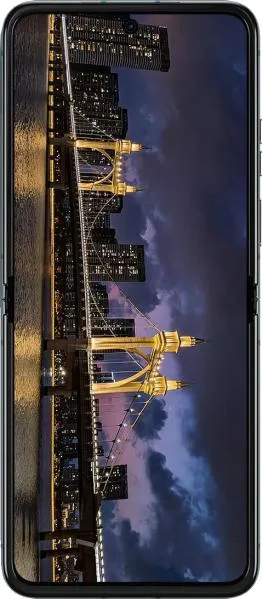
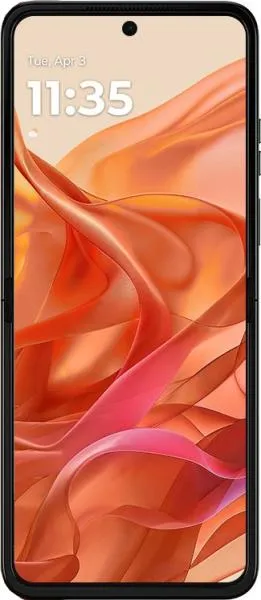
1. Specifications Comparison
| Feature | Motorola Razr 40 Ultra | Motorola Razr 50 | Practical Impact |
|---|---|---|---|
| Design | |||
| Dimensions (mm) | 170.8 x 74 x 7 | 171.3 x 74 x 7.3 | Razr 40 Ultra is slightly shorter and thinner, potentially feeling more pocketable when folded. Razr 50 is negligibly taller and thicker. |
| Weight (g) | 184.5 | 188.4 | Negligible weight difference; both feel similarly substantial in hand. |
| Foldable | Yes | Yes | Both offer foldable screen technology for portability and a unique user experience. |
| Display | |||
| Size (inches) | 6.9 | 6.9 | Identical screen sizes offer the same media consumption and multitasking experience. |
| Resolution (px) | 1080 x 2640 | 1080 x 2640 | Identical resolution results in similar sharpness. |
| Refresh Rate (Hz) | 165 | 120 | Razr 40 Ultra's higher refresh rate delivers smoother animations and scrolling, especially noticeable in gaming and fast-paced content. |
| Peak Brightness | 1400 nits | 3000 nits | Razr 50's significantly higher peak brightness ensures superior outdoor visibility. |
| Performance | |||
| Chipset | Snapdragon 8+ Gen 1 | Dimensity 7300X | Razr 40 Ultra boasts a flagship-level chipset, likely resulting in significantly better performance in demanding tasks and gaming. |
| CPU | Octa-core (1x3.19 GHz Cortex-X2 & 3x2.75 GHz Cortex-A710 & 4x1.80 GHz Cortex-A510) | Octa-core (4x2.5 GHz Cortex-A78 & 4x2.0 GHz Cortex-A55) | Razr 40 Ultra's CPU configuration suggests a performance advantage, particularly in single-core and multi-core workloads. |
| GPU | Adreno 730 | Mali-G615 MC2 | Razr 40 Ultra's GPU is generally considered more powerful, leading to better gaming performance and graphics rendering. |
| RAM | 8GB (up to 12GB) | 8GB (up to 12GB) | RAM capacities are comparable; 12GB options on both provide ample memory for multitasking. |
| Camera | |||
| Main Camera (MP) | 12 | 50 | Razr 50 boasts significantly higher resolution for potentially more detailed photos. Impact on image quality depends on sensor and processing. |
| Selfie Camera (MP) | 32 | 32 | Similar selfie camera resolution suggests comparable performance. |
| Battery | |||
| Capacity (mAh) | 3800 | 4200 | Razr 50's larger battery likely translates to longer usage time on a single charge. |
2. Key Differences Analysis
Motorola Razr 40 Ultra Advantages:
- Superior Performance: The Snapdragon 8+ Gen 1 provides a noticeable performance advantage for demanding tasks and gaming compared to the Dimensity 7300X.
- Smoother Display: The 165Hz refresh rate offers a more fluid and responsive user experience compared to the 120Hz display on the Razr 50.
- Slightly More Compact: While negligible, the Razr 40 Ultra is marginally thinner and shorter when folded.
Motorola Razr 50 Advantages:
- Brighter Display: The 3000 nit peak brightness significantly improves outdoor visibility.
- Larger Battery: The 4200mAh battery provides longer battery life compared to the 3800mAh battery in the Razr 40 Ultra.
- Higher Resolution Main Camera: The 50MP main camera potentially captures more detailed images.
Trade-offs:
- Performance vs. Battery Life: Razr 40 Ultra prioritizes performance with a more powerful chipset but sacrifices some battery life. Razr 50 offers a balance between performance and battery life.
- Refresh Rate vs. Brightness: Razr 40 Ultra focuses on smooth visuals with a higher refresh rate, while Razr 50 emphasizes outdoor visibility with a brighter display.
3. User Profiles & Recommendations
Motorola Razr 40 Ultra: Ideal for users who prioritize performance and a smooth display experience, particularly for gaming and demanding applications. Power users who value responsiveness over extended battery life would prefer this device.
Motorola Razr 50: Suitable for users who value battery life and outdoor visibility. Users who consume a lot of media or use their phones extensively throughout the day would benefit from the larger battery and brighter display. Those who prioritize camera resolution might prefer the 50MP sensor, but real-world image quality comparisons are needed.
4. Decision Framework
Key Questions for Buyers:
- What is your primary use case? (Gaming, media consumption, productivity, etc.)
- How important is battery life to you?
- What is your budget? (Consider the price difference between the two models.)
Scenario-Based Recommendations:
- Gamer: Razr 40 Ultra for its superior performance.
- Outdoor Enthusiast: Razr 50 for its brighter display and larger battery.
- Budget-Conscious User: A detailed price comparison is necessary, considering the performance trade-offs.
My Choice: Motorola Razr 40 Ultra
While the Razr 50 offers a brighter display and longer battery life, the significant performance advantage of the Razr 40 Ultra, coupled with the smoother 165Hz display, are more compelling to me. I prioritize a fluid and responsive user experience, especially for gaming and multitasking, and am willing to compromise slightly on battery life to achieve that. The slightly more compact design is also a plus. However, if outdoor visibility is paramount or battery life is a major concern, the Razr 50 would be a strong contender. Ultimately, the best choice depends on individual priorities and usage patterns.
