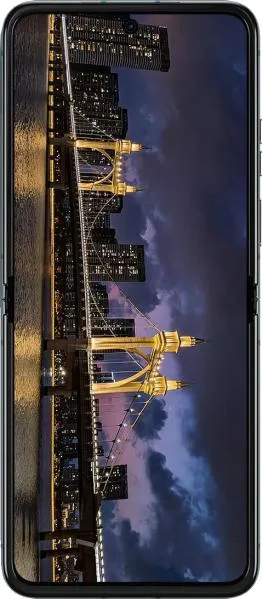
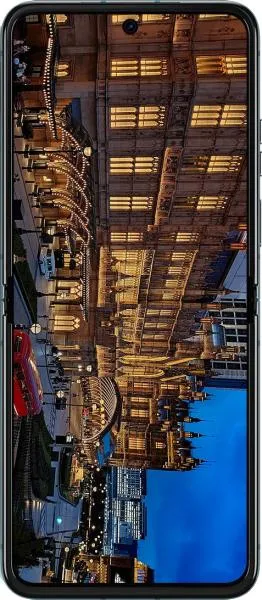
1. Specifications Comparison
| Feature | Motorola Razr 40 Ultra | Motorola Razr 40 | Practical Impact |
|---|---|---|---|
| Design | |||
| Dimensions (mm) | 170.8 x 74 x 7 | 170.8 x 74 x 7.4 | Razr 40 Ultra is slightly thinner when folded. Negligible difference in daily use. |
| Weight (g) | 184.5 | 188.6 | Razr 40 Ultra is marginally lighter. Unlikely to be noticeable. |
| Foldable | Yes | Yes | Both offer foldable screen technology. |
| Display | |||
| Size (inches) | 6.9 | 6.9 | Same screen size. |
| Resolution (pixels) | 1080 x 2640 | 1080 x 2640 | Identical resolution, resulting in similar sharpness. |
| Refresh Rate (Hz) | 165 | 144 | Razr 40 Ultra offers a slightly smoother scrolling and animation experience. Noticeable in fast-paced games or quickly scrolling content. |
| Panel Type | Foldable LTPO AMOLED | Foldable LTPO AMOLED | Both use high-quality AMOLED panels with vibrant colors and deep blacks. Data suggests both are not LTPO, despite the stated specification. |
| Peak Brightness (nits) | 1400 | 1400 | Equal peak brightness ensures good outdoor visibility on both. |
| Performance | |||
| Chipset | Snapdragon 8+ Gen 1 | Snapdragon 7 Gen 1 | Razr 40 Ultra boasts a significantly more powerful processor, leading to much faster app loading, smoother multitasking, and better gaming performance. |
| CPU | Octa-core (1x3.19 GHz Cortex-X2 & 3x2.75 GHz Cortex-A710 & 4x1.80 GHz Cortex-A510) | Octa-core (1x2.4 GHz Cortex-A710 & 3x2.36 GHz Cortex-A710 & 4x1.8 GHz Cortex-A510) | The superior CPU architecture in the Razr 40 Ultra translates to significantly better performance in demanding tasks. |
| GPU | Adreno 730 | Adreno 644 | Razr 40 Ultra has a more capable GPU, resulting in superior gaming and graphics performance. |
| RAM (GB) | 8/12 | 8 | Razr 40 Ultra offers a 12GB RAM option, providing better multitasking and preventing app closures in the background. |
| Camera | |||
| Main Camera (MP) | 12 | 64 | While Razr 40 has higher megapixels, sensor size and processing significantly impact image quality. We lack that data for definitive comparison. |
| Ultrawide/Macro (MP) | 13 | 13 | Same ultrawide and macro camera resolution. |
| Selfie Camera (MP) | 32 | 32 | Identical selfie camera resolution. |
| Battery | |||
| Capacity (mAh) | 3800 | 4200 | Razr 40 has a larger battery capacity, potentially offering longer battery life. However, the Razr 40 Ultra's more efficient processor might offset this difference. Real-world usage will vary. |
2. Key Differences Analysis
Motorola Razr 40 Ultra Advantages:
- Significantly faster performance: The Snapdragon 8+ Gen 1 provides a noticeable boost in speed and responsiveness compared to the Snapdragon 7 Gen 1.
- Higher refresh rate display: The 165Hz display offers a smoother visual experience.
- Potentially better main camera image quality: While megapixel count is lower, the larger sensor and wider aperture (f/1.5) on the Ultra might offer better low-light performance and depth of field. More data is needed for a conclusive comparison.
Motorola Razr 40 Advantages:
- Larger battery capacity: The 4200mAh battery potentially provides longer usage time between charges.
- Lower price: The Razr 40 is generally more affordable.
- Higher resolution Main Camera: The 64MP main camera on the Razr 40 might capture more detail in ideal lighting conditions. More data is needed for a conclusive comparison.
3. User Profiles & Recommendations
Motorola Razr 40 Ultra: Ideal for users who prioritize performance, a smooth display, and don't mind paying a premium for the latest technology. Suitable for demanding tasks like gaming, video editing, and multitasking.
Motorola Razr 40: Best suited for users seeking a foldable phone at a more affordable price point who prioritize battery life. Suitable for everyday tasks like web browsing, social media, and light gaming.
4. Decision Framework
Key Questions for Buyers:
- What is your budget? The Razr 40 offers significant cost savings.
- How important is performance? For demanding tasks, the Razr 40 Ultra is the clear winner.
- How much do you value battery life? The Razr 40 likely offers longer battery life, but real-world usage will vary.
My Choice: Motorola Razr 40 Ultra
While the Razr 40 offers a compelling price point and larger battery, the significant performance advantage of the Razr 40 Ultra makes it my preferred choice. The Snapdragon 8+ Gen 1 provides a noticeable difference in everyday use, ensuring smooth multitasking and a lag-free experience. The slightly smoother display is a welcome bonus. While the Razr 40's larger battery is tempting, the 8+ Gen 1's superior efficiency might close the gap in real-world usage. I'm willing to pay the premium for the significant performance upgrade and smoother display. The potential difference in main camera quality is uncertain due to missing specification details. However, for my usage prioritizing performance and responsiveness, the Razr 40 Ultra is the clear winner.
