1. Specifications Comparison
| Feature | Motorola Razr 40 Ultra | Motorola Moto G54 | Practical Impact |
|---|---|---|---|
| Design | |||
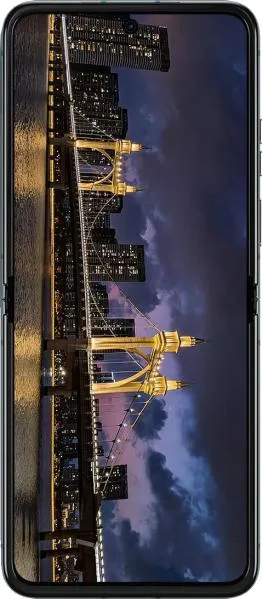
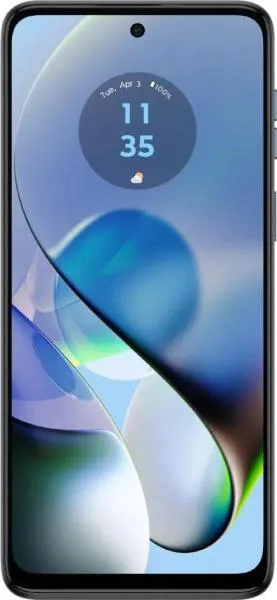
| Form Factor | Foldable | Standard | Razr 40 Ultra offers portability and a larger screen when unfolded, G54 is a traditional slab design. |
| Dimensions (mm) | 170.8 x 74 x 7 | 161.6 x 73.8 x 8 | Razr 40 Ultra is significantly thinner when folded but taller when unfolded. G54 is generally more pocketable when not in use. |
| Weight (g) | 184.5 | 177 | Negligible weight difference in practical use. |
| Display | |||
| Display Type | Foldable LTPO AMOLED | IPS LCD | Razr 40 Ultra provides deeper blacks, more vibrant colors, and potentially better power efficiency due to LTPO. G54's LCD is generally less power-hungry at peak brightness. |
| Size (inches) | 6.9 | 6.5 | Razr 40 Ultra offers a larger main display for media consumption and multitasking. |
| Resolution | 1080 x 2640 | 1080 x 2400 | Similar sharpness due to the G54's slightly smaller screen size. Razr benefits from the taller aspect ratio for scrolling. |
| Refresh Rate (Hz) | 165 | 120 | Razr 40 Ultra provides smoother animations and scrolling. |
| Performance | |||
| Chipset | Snapdragon 8+ Gen 1 | Dimensity 7020 | Razr 40 Ultra offers significantly more processing power for demanding tasks and gaming. G54 provides decent performance for everyday use. |
| CPU | Octa-core (1x3.19 GHz X2 & 3x2.75 GHz A710 & 4x1.80 GHz A510) | Octa-core (2x2.2 GHz A78 & 6x2.0 GHz A55) | Razr 40 Ultra's CPU architecture is more powerful and efficient. |
| GPU | Adreno 730 | IMG BXM-8-256 | Razr 40 Ultra significantly outperforms in graphics-intensive applications and games. |
| RAM (GB) | 8/12 | 8/12 | Both offer configurations with ample RAM for multitasking. |
| Camera | |||
| Main Camera (MP) | 12 | 50 | While the G54 boasts higher megapixels, image quality depends on sensor size and processing, which are not fully detailed. |
| Video Recording | Up to 4K@60fps with HDR, EIS | Up to 1080p@60fps | Razr 40 Ultra offers superior video recording capabilities with higher resolution and HDR. |
| Battery | |||
| Capacity (mAh) | 3800 | 6000 | G54 has significantly larger battery capacity, likely resulting in longer battery life. Razr 40 Ultra's foldable design and powerful processor may drain the battery faster. |
2. Key Differences Analysis
Motorola Razr 40 Ultra Advantages:
- Foldable Design: Offers portability and a larger screen when needed.
- Superior Display: AMOLED with higher refresh rate for a more vibrant and smooth visual experience.
- Flagship Performance: Significantly more powerful processor and GPU for demanding tasks and gaming.
- Advanced Video Recording: Higher resolution and frame rates with HDR.
Motorola Moto G54 Advantages:
- Longer Battery Life: Larger battery capacity for extended usage.
- Lower Price: Significantly more affordable.
- Traditional Form Factor: May be preferred by users who prioritize simplicity and durability.
3. User Profiles & Recommendations
Motorola Razr 40 Ultra: Ideal for users who prioritize portability, a large screen for media consumption, and top-tier performance. Suitable for power users, content creators, and those who value a unique and innovative design.
Motorola Moto G54: Best suited for budget-conscious users who prioritize battery life and reliable performance for everyday tasks. A good choice for students, casual users, and those who prefer a familiar smartphone experience.
4. Decision Framework
Key Questions for Buyers:
- What is your budget? The Razr 40 Ultra is significantly more expensive.
- How important is portability and screen size? The foldable Razr 40 Ultra excels in this area.
- What kind of performance do you need? The Razr 40 Ultra offers flagship-level performance, while the G54 provides decent performance for daily use.
My Choice: Motorola Moto G54
While the Razr 40 Ultra is undeniably a more powerful and feature-rich device, the Moto G54 offers better value for my personal needs. As someone who prioritizes battery life, a reliable user experience, and affordability, the G54's larger battery, simpler design, and lower price are more compelling. The performance difference, while significant on paper, is less crucial for my typical usage, which involves communication, web browsing, and occasional media consumption. I'm willing to sacrifice some processing power and screen vibrancy for the significant cost savings and extended battery life offered by the G54. The foldable aspect of the Razr 40, while interesting, doesn't outweigh the practical benefits of the G54 for my everyday use.
