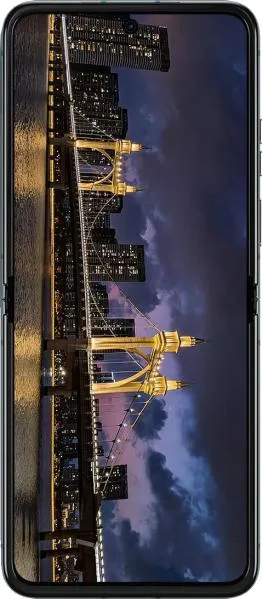
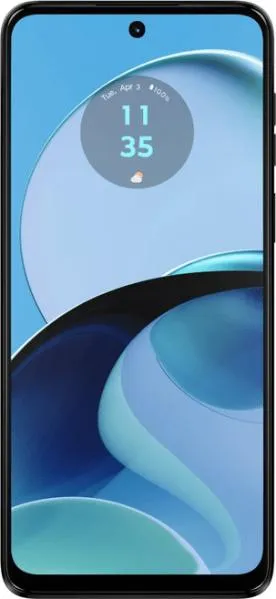
1. Specifications Comparison
| Feature | Motorola Razr 40 Ultra | Motorola Moto G14 | Practical Impact |
|---|---|---|---|
| Design | |||
| Dimensions | 170.8 x 74 x 7 mm | 161.5 x 73.8 x 8 mm | Razr 40 Ultra is significantly thinner when folded but wider unfolded due to its foldable nature. G14 is a more traditional candybar design. |
| Weight | 184.5 g | 177 g | Razr 40 Ultra is slightly heavier despite being thinner. |
| Foldable | Yes | No | Razr's foldable design offers portability and a unique form factor, but introduces potential durability concerns. |
| Display | |||
| Display Type | Foldable LTPO AMOLED | IPS LCD | Razr 40 Ultra provides superior contrast, deeper blacks, and brighter colors. Its higher refresh rate (165Hz vs. unspecified for G14) results in smoother animations and scrolling. |
| Display Size | 6.9" | 6.5" | Razr 40 Ultra offers a larger screen area for immersive content consumption. |
| Resolution | 1080 x 2640 px | 1080 x 2400 px | Both offer similar sharpness despite the Razr's larger size. |
| Performance | |||
| Chipset | Snapdragon 8+ Gen 1 | Unisoc Tiger T616 | Razr 40 Ultra boasts significantly more powerful CPU and GPU, leading to much faster performance in demanding tasks, gaming, and multitasking. |
| RAM | 8GB/12GB | 4GB/8GB | More RAM in Razr configurations enables better multitasking and smoother performance with multiple apps. |
| OS | Android 13 | Android 13 | Both run on the same OS version, but Razr 40 Ultra has a guaranteed upgrade path to Android 16. |
| Camera | |||
| Main Camera | 12MP (f/1.5) | 50MP (f/1.8) | While the G14 has a higher resolution sensor, the Razr's wider aperture (f/1.5) could potentially capture better low-light photos. Image quality depends on factors beyond resolution and aperture. |
| Secondary Camera | 13MP Wide + Macro | 2MP Macro | Razr's secondary camera offers more versatile wide-angle capabilities. G14's 2MP macro lens has limited practical use. |
| Video | Up to 4K@60fps with HDR, EIS | 1080p@30fps | Razr 40 Ultra offers significantly better video recording capabilities with higher resolution, frame rate, and HDR support. |
| Battery | |||
| Capacity | 3800 mAh | 5000 mAh | G14 has a much larger battery, likely resulting in significantly longer battery life. Razr's smaller battery is a trade-off for its slim foldable design. |
2. Key Differences Analysis
Motorola Razr 40 Ultra Advantages:
- Significantly more powerful: Superior performance for demanding tasks and gaming.
- Higher-quality display: Brighter, more vibrant colors and smoother refresh rate.
- More versatile camera system: Wide-angle lens and superior video recording capabilities.
- Unique foldable design: Enhanced portability and a distinctive form factor.
Motorola Moto G14 Advantages:
- Much longer battery life: Larger battery capacity for extended usage.
- Significantly lower price: Offers excellent value for its budget-friendly price.
3. User Profiles & Recommendations
Motorola Razr 40 Ultra: Ideal for users who prioritize performance, a cutting-edge design, and a premium display. Suitable for demanding tasks, gaming, and content consumption. Early adopters who value the novelty of a foldable phone.
Motorola Moto G14: Ideal for budget-conscious users who prioritize battery life and basic functionality. Suitable for everyday tasks like calling, texting, browsing, and social media.
4. Decision Framework
Key Questions for Buyers:
- What is your budget? The Razr 40 Ultra is significantly more expensive.
- What are your performance needs? The Razr 40 Ultra offers a significant performance advantage.
- How important is battery life? The Moto G14 offers significantly longer battery life.
Scenario-Based Recommendations:
- Heavy user who needs top performance: Razr 40 Ultra
- Budget-conscious user who needs long battery life: Moto G14
- User who wants the latest technology and a unique design: Razr 40 Ultra
My Choice: Motorola Razr 40 Ultra
While the Moto G14 offers incredible value for its price, I would choose the Motorola Razr 40 Ultra. The significantly superior performance, the stunning display quality, and the innovative foldable design are compelling. I prioritize performance and a premium user experience, and I'm willing to accept the trade-offs of potentially shorter battery life and a higher price for those benefits. The Razr 40 Ultra feels like a device that pushes the boundaries of smartphone technology, and that excites me more than the practicality of the G14. The guaranteed software updates also provide longer-term value. While battery life is a concern, I can mitigate that with power banks and charging habits.
