1. Specifications Comparison
| Feature | Motorola Razr 40 Ultra | Motorola Moto G04s | Practical Impact |
|---|---|---|---|
| Design | |||
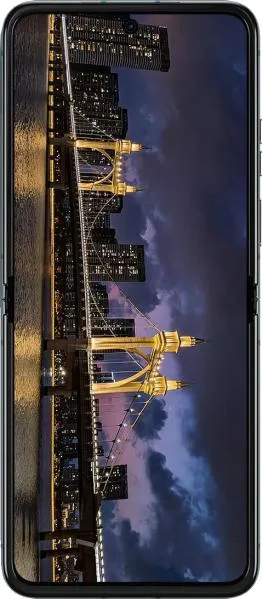
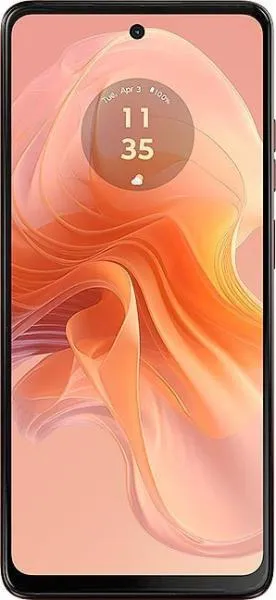
| Dimensions | 170.8 x 74 x 7 mm | 163.5 x 74.5 x 8 mm | Razr 40 Ultra significantly thinner due to foldable design, more pocketable when folded but larger unfolded. |
| Weight | 184.5g | 178.8g | Negligible weight difference; Razr might feel denser due to smaller folded size. |
| Foldable | Yes | No | Razr offers a compact folded state and large screen when unfolded; G04s is a traditional slab design. |
| Display | |||
| Display Type | Foldable LTPO AMOLED | IPS LCD | Razr boasts superior contrast, deeper blacks, and potentially better power efficiency with LTPO. G04s uses a standard LCD. |
| Size | 6.9" | 6.56" | Razr offers a larger display area for multitasking and media consumption when unfolded. |
| Resolution | 1080 x 2640 | 720 x 1612 | Razr provides significantly sharper visuals (413 ppi vs 269 ppi). |
| Refresh Rate | 165Hz | 90Hz | Razr offers smoother animations and scrolling, more responsive gaming experience. |
| Performance | |||
| Chipset | Snapdragon 8+ Gen 1 | Unisoc T606 | Razr significantly more powerful, enabling demanding gaming, faster app loading, and smoother multitasking. |
| CPU | Octa-core (3.19 GHz Cortex-X2...) | Octa-core (1.6 GHz Cortex-A75...) | Razr's CPU offers much higher clock speeds and a more powerful architecture, resulting in significantly faster performance. |
| RAM | 8GB/12GB | 4GB | Razr offers more RAM, allowing for more apps to run in the background without performance slowdown. |
| Camera | |||
| Main Camera | 12MP f/1.5 | 50MP f/1.8 | While G04s has higher resolution, Razr's wider aperture (f/1.5) could potentially offer better low-light performance. Image quality depends on sensor and processing, which cannot be fully assessed with provided data. |
| Selfie Camera | 32MP f/2.45 | 5MP f/2.2 | Razr offers a much higher resolution selfie camera. |
| Video | Up to 4K@60fps with HDR, EIS | 1080p@30fps | Razr supports higher resolution and frame rate video recording with HDR and advanced stabilization. |
| Battery | |||
| Capacity | 3800 mAh | 5000 mAh | G04s has a significantly larger battery capacity, potentially leading to longer battery life. Razr's foldable design and powerful processor might consume more power. |
2. Key Differences Analysis
Motorola Razr 40 Ultra Advantages:
- Superior Performance: Significantly more powerful processor, more RAM, and higher refresh rate display provide a fluid and responsive user experience.
- High-Quality Display: Foldable AMOLED screen with higher resolution, refresh rate, and better contrast delivers a premium visual experience.
- Compact Form Factor: Foldable design offers portability without sacrificing screen size when unfolded.
- Versatile Camera System: High-resolution selfie camera and advanced video recording capabilities.
Motorola Moto G04s Advantages:
- Longer Battery Life: Larger battery capacity likely results in significantly longer usage time on a single charge.
- Lower Price: Significantly more affordable than the Razr 40 Ultra.
3. User Profiles & Recommendations
Motorola Razr 40 Ultra: Ideal for users who prioritize performance, a premium display, and a unique foldable design. Suitable for demanding tasks, gaming, media consumption, and those who value portability and style.
Motorola Moto G04s: Best suited for budget-conscious users who prioritize battery life and essential smartphone functionality. Suitable for everyday tasks like calling, texting, browsing, and light media consumption.
4. Decision Framework
Key Questions for Buyers:
- What is your budget? The Razr 40 Ultra is significantly more expensive.
- What level of performance do you need? For demanding tasks and gaming, the Razr 40 Ultra is far superior.
- How important is portability and a unique design? The Razr 40 Ultra's foldable design offers a compact form factor.
My Choice: Motorola Razr 40 Ultra
While the Moto G04s offers incredible value for its price, I would choose the Motorola Razr 40 Ultra. The foldable design, combined with the powerful processor, stunning display, and versatile camera system, provides a truly premium and unique smartphone experience. I prioritize performance and innovative technology, and I'm willing to pay a premium for these features. The compact form factor of the Razr 40 Ultra is also highly appealing. While the battery life might be a concern, I find the trade-off worthwhile for the overall superior user experience. The significantly enhanced capabilities of the Razr 40 Ultra outweigh the benefits of the G04s' longer battery life and lower price for my personal needs and preferences.
