1. Specifications Comparison
| Feature | Motorola Razr 40 Ultra | Motorola Moto G Stylus 5G (2024) | Practical Impact |
|---|---|---|---|
| Design | |||
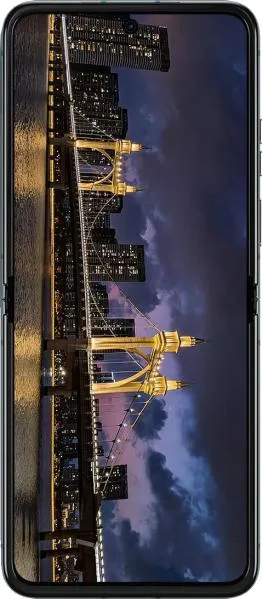
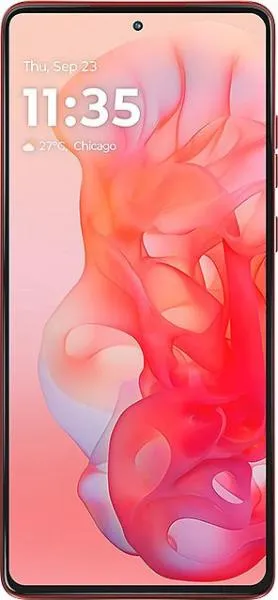
| Dimensions (mm) | 170.8 x 74 x 7 | 162.6 x 74.8 x 8.3 | Razr 40 Ultra significantly thinner when folded, but slightly taller unfolded. Stylus 5G is thicker overall. Razr's thinness enhances portability when folded, but may feel more fragile. |
| Weight (g) | 184.5 | 190 | Negligible weight difference in practical usage. |
| Foldable | Yes | No | Razr offers a compact folded size for pocketability, Stylus offers a traditional smartphone form factor. Major difference in usability and portability. |
| Display | |||
| Display Size (inches) | 6.9 | 6.7 | Razr offers slightly larger screen real estate for media consumption when unfolded. |
| Resolution (pixels) | 1080 x 2640 | 1080 x 2400 | Comparable sharpness due to similar pixel density. Razr's taller aspect ratio better for scrolling webpages, Stylus' wider aspect ratio better for videos. |
| Refresh Rate (Hz) | 165 | 120 | Razr's higher refresh rate provides smoother animations and scrolling, especially noticeable in gaming and fast-paced content. |
| Display Type | Foldable LTPO AMOLED | P-OLED | Razr utilizes a more advanced display technology potentially offering better power efficiency and higher peak brightness (unclear if Razr uses LTPO based on data). Foldable nature of the Razr's screen introduces a potential point of failure with the crease. |
| Performance | |||
| Chipset | Snapdragon 8+ Gen 1 | Snapdragon 6 Gen 1 | Razr boasts significantly more powerful processor, resulting in much faster performance in demanding tasks like gaming, video editing, and multitasking. |
| CPU | Octa-core (1x3.19 GHz Cortex-X2 & 3x2.75 GHz Cortex-A710 & 4x1.80 GHz Cortex-A510) | Octa-core (4x2.2 GHz Cortex-A78 & 4x1.8 GHz Cortex-A55) | Razr has a more powerful and efficient CPU architecture. Noticeable difference in speed and responsiveness. |
| GPU | Adreno 730 | Adreno 710 | Razr's superior GPU handles graphics-intensive tasks much better, resulting in smoother gaming and faster rendering. |
| RAM (GB) | 8 | 8 | Equivalent RAM; both phones should handle multitasking reasonably well, but Razr's superior processor will provide a smoother experience. |
| Camera | |||
| Main Camera (MP) | 12 | 50 | While Stylus has higher megapixel count, Razr's larger sensor (unspecified size vs 1/1.56") and wider aperture (f/1.5 vs f/1.8) potentially capture more light in low-light conditions. Image quality depends on various factors beyond resolution. |
| Selfie Camera (MP) | 32 | 32 | Similar resolution, but practical selfie quality depends on factors like sensor size and processing. |
| Battery | |||
| Capacity (mAh) | 3800 | 5000 | Stylus has significantly larger battery capacity, likely translating to considerably longer battery life. Razr's foldable design and powerful processor might drain battery faster. |
2. Key Differences Analysis
Motorola Razr 40 Ultra Advantages:
- Form Factor: Foldable design offers unmatched portability.
- Performance: Significantly faster and more powerful processor and GPU.
- Higher Refresh Rate Display: Smoother visuals and responsiveness.
- Potentially Superior Main Camera: Larger sensor and aperture suggests better low-light performance.
Motorola Moto G Stylus 5G (2024) Advantages:
- Battery Life: Much larger battery capacity for extended usage.
- Lower Price: Expected to be more affordable.
- Integrated Stylus: Enables note-taking, sketching, and precise interactions.
3. User Profiles & Recommendations
Motorola Razr 40 Ultra: Ideal for users who prioritize portability and cutting-edge technology, willing to compromise on battery life for a compact foldable design. Best for users who value a premium, pocketable phone with strong performance.
Motorola Moto G Stylus 5G (2024): Suitable for budget-conscious users seeking long battery life and stylus functionality. Best for students, artists, or anyone who benefits from note-taking or drawing directly on the screen.
4. Decision Framework
Key Questions for Buyers:
- Importance of portability vs. battery life? Foldable compactness versus all-day battery power.
- Performance needs? Demanding tasks and gaming or casual usage?
- Budget constraints? Premium price for foldable technology or affordability?
Scenario-Based Recommendations:
- Heavy user who needs top performance and portability: Razr 40 Ultra.
- Student needing long battery life and note-taking capabilities: Stylus 5G.
- Casual user on a budget: Stylus 5G.
My Choice: Motorola Moto G Stylus 5G (2024)
While the Razr 40 Ultra is a fascinating device with its foldable design and powerful specs, the Moto G Stylus 5G (2024) better aligns with my personal needs and priorities. I value battery life significantly, and the 5000mAh battery promises all-day usage without anxiety. The integrated stylus offers unique functionality for note-taking and creative tasks, which I find more appealing than a foldable screen. Finally, the lower price point makes it a more practical choice for me. The performance difference between the Snapdragon 6 Gen 1 and 8+ Gen 1, while noticeable, wouldn't significantly impact my typical usage. The larger battery and stylus functionality outweigh the benefits of the foldable design and higher performance for my personal use case.
