1. Specifications Comparison
| Feature | Motorola Razr 40 Ultra | Motorola Edge 50 Pro | Practical Impact |
|---|---|---|---|
| Design | |||
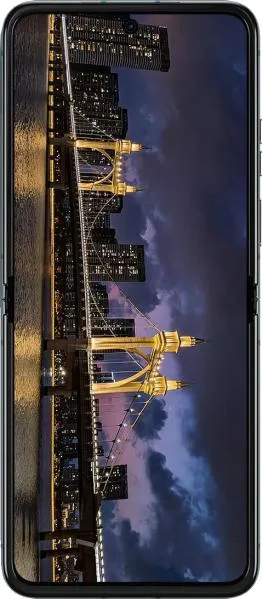
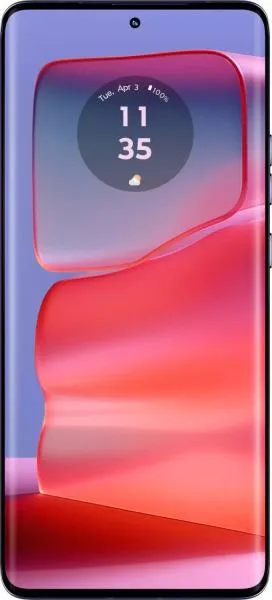
| Form Factor | Foldable | Slab | Razr 40 Ultra offers greater portability when folded, but may be more fragile. Edge 50 Pro is more traditional and potentially more durable. |
| Dimensions (mm) | 170.8 x 74 x 7 | 161.2 x 72.4 x 8.2 | Razr 40 Ultra is significantly thinner when unfolded but taller and slightly wider than the Edge 50 Pro. |
| Weight (g) | 184.5 | 186 | Negligible weight difference. |
| Display | |||
| Display Type | Foldable LTPO AMOLED | P-OLED | Razr 40 Ultra's foldable display allows for a larger screen in a smaller device, but crease visibility and durability are concerns. Edge 50 Pro offers a standard, potentially more robust display. |
| Size (inches) | 6.9 | 6.7 | Razr 40 Ultra offers a slightly larger main screen. |
| Resolution | 1080 x 2640 | 1220 x 2712 | Edge 50 Pro has a slightly sharper display due to higher pixel density. |
| Refresh Rate (Hz) | 165 | 144 | Both offer high refresh rates for smooth scrolling and animations; the difference is minor in real-world use. |
| Peak Brightness (nits) | 1400 | 2000 | Edge 50 Pro's significantly higher peak brightness ensures better outdoor visibility. |
| Performance | |||
| Chipset | Snapdragon 8+ Gen 1 | Snapdragon 7 Gen 3 | Razr 40 Ultra boasts a more powerful flagship chipset, resulting in significantly better performance for demanding tasks and gaming. |
| CPU | Octa-core (1x3.19 GHz Cortex-X2 & 3x2.75 GHz Cortex-A710 & 4x1.80 GHz Cortex-A510) | Octa-core (1x2.63 GHz Cortex-A715 & 4x2.4 GHz Cortex-A715 & 3x1.8 GHz Cortex-A510) | Razr 40 Ultra has a faster and more powerful CPU architecture. |
| GPU | Adreno 730 | Adreno 720 | Razr 40 Ultra has a more powerful GPU, leading to smoother gaming and graphics performance. |
| RAM (GB) | 8 (Reviewed Model) | 12 | Edge 50 Pro offers more RAM, improving multitasking and app switching. Note: Razr 40 Ultra has other variants with 12GB RAM not reviewed here. |
| Camera | |||
| Main Camera (MP) | 12 | 50 | Edge 50 Pro has a much higher resolution main sensor, potentially capturing more detail. |
| Ultrawide (MP) | 13 | 13 | Similar ultrawide resolution. |
| Telephoto (MP) | N/A | 10 | Edge 50 Pro offers a dedicated telephoto lens for optical zoom, absent in the Razr 40 Ultra. |
| Selfie (MP) | 32 | 50 | Edge 50 Pro boasts a higher resolution selfie camera. |
| Battery | |||
| Capacity (mAh) | 3800 | 4500 | Edge 50 Pro offers significantly longer battery life. |
2. Key Differences Analysis
Motorola Razr 40 Ultra Advantages:
- Portability: The foldable design offers unmatched portability.
- Powerful Performance: Features a flagship-level chipset for smooth performance.
- Unique Form Factor: Appeals to users seeking novelty and a compact device.
Motorola Edge 50 Pro Advantages:
- Longer Battery Life: Larger battery capacity for extended usage.
- Brighter Display: Superior outdoor visibility.
- More Versatile Camera System: Includes a dedicated telephoto lens and higher resolution sensors.
- More Robust Design: Traditional slab design is generally more durable than foldable phones.
3. User Profiles & Recommendations
Motorola Razr 40 Ultra: Ideal for users who prioritize portability and style above all else and are willing to compromise on battery life and camera versatility. Best for users who value having a compact phone for easy pocket storage and are drawn to the novelty of a foldable device.
Motorola Edge 50 Pro: Suitable for users seeking a well-rounded phone with strong performance, long battery life, a versatile camera system, and a durable design. Best for users who prioritize practicality, performance, and value. Good for media consumption, gaming, and photography.
4. Decision Framework
Key Questions for Buyers:
- How important is portability? If ultimate portability is paramount, the Razr 40 Ultra is the clear choice.
- What is your budget and priority? The Edge 50 Pro offers a more well-rounded feature set at a potentially lower price.
- What are your primary use cases? The Edge 50 Pro excels in media consumption, gaming, and photography due to its larger battery, brighter display, and more versatile camera system.
My Choice: Motorola Edge 50 Pro
While the Razr 40 Ultra's foldable design is intriguing, the Edge 50 Pro offers a more compelling overall package for my needs. I prioritize a robust phone with long battery life, a great display, and a versatile camera system. The Edge 50 Pro delivers in these areas, making it a more practical and valuable choice for my daily use. While the Snapdragon 7 Gen 3 is less powerful than the 8+ Gen 1, it still offers excellent performance for everyday tasks and even demanding games. The significantly larger battery and brighter display are significant advantages for me, as is the dedicated telephoto lens. The price difference, although minor in the reviewed configurations, could be substantial depending on RAM and storage options making the Edge 50 Pro a better value overall. Finally, I prefer the peace of mind that comes with a more durable traditional slab phone design.
