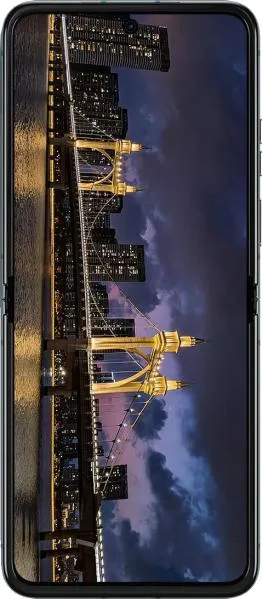
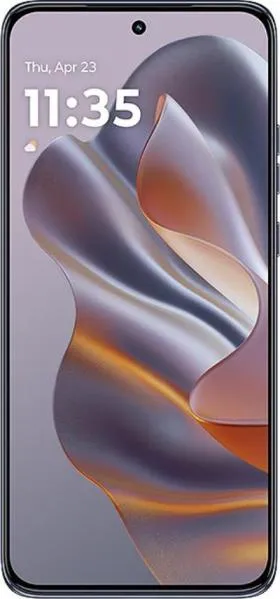
1. Specifications Comparison
| Feature | Motorola Razr 40 Ultra | Motorola Edge 50 Neo | Practical Impact |
|---|---|---|---|
| Design | |||
| Form Factor | Foldable | Slab | Razr 40 Ultra offers portability and a unique form factor, Edge 50 Neo is a traditional smartphone. |
| Dimensions (mm) | 170.8 x 74 x 7 | 154.1 x 71.2 x 8.1 | Razr 40 Ultra is significantly thinner when folded but taller when unfolded. Edge 50 Neo is more pocketable when unfolded. |
| Weight (g) | 184.5 | 171 | Razr 40 Ultra is slightly heavier. |
| Display | |||
| Display Type | Foldable LTPO AMOLED | LTPO P-OLED | Razr 40 Ultra has a foldable screen with a crease, Edge 50 Neo has a standard flat display. |
| Size (inches) | 6.9 | 6.4 | Razr 40 Ultra offers a larger main screen for media consumption. |
| Resolution | 1080 x 2640 | 1256 x 2760 | Edge 50 Neo has a slightly higher resolution and pixel density, resulting in sharper images. |
| Refresh Rate (Hz) | 165 | 120 | Razr 40 Ultra provides smoother animations and scrolling. |
| Peak Brightness (nits) | 1400 | 3000 | Edge 50 Neo is significantly brighter outdoors. |
| Performance | |||
| Chipset | Snapdragon 8+ Gen 1 | Dimensity 7300 | Both offer good performance, but Snapdragon 8+ Gen 1 generally benchmarks higher for demanding tasks. |
| CPU | Octa-core (1x3.19 GHz Cortex-X2 & 3x2.75 GHz Cortex-A710 & 4x1.80 GHz Cortex-A510) | Octa-core (4x2.5 GHz Cortex-A78 & 4x2.0 GHz Cortex-A55) | Snapdragon 8+ Gen 1 has a slight edge in CPU performance due to its core configuration. |
| GPU | Adreno 730 | Mali-G615 MC2 | Adreno 730 generally provides better gaming performance. |
| RAM (GB) | 8/12 | 8/12 | Both offer sufficient RAM for multitasking. |
| Camera | |||
| Main Camera (MP) | 12 | 50 | Edge 50 Neo has a significantly higher resolution main sensor. |
| Ultrawide (MP) | 13 | 13 | Comparable ultrawide cameras. |
| Telephoto | No | 10 MP with 3x optical zoom | Edge 50 Neo offers optical zoom for better image quality at longer distances. |
| Battery | |||
| Capacity (mAh) | 3800 | 4310 | Edge 50 Neo has a larger battery capacity, potentially leading to longer battery life. |
2. Key Differences Analysis
Motorola Razr 40 Ultra Advantages:
- Foldable Design: Unique form factor, increased portability.
- Higher Refresh Rate Display: Smoother scrolling and animations.
- Slightly Faster Processor: Marginal advantage in demanding tasks and gaming.
Motorola Edge 50 Neo Advantages:
- Larger Battery: Potentially longer battery life.
- Brighter Display: Better visibility outdoors.
- Higher Resolution Main Camera & Telephoto Lens: Superior image quality and versatility.
- Lower Price: Offers better value for money based on the listed prices.
Trade-offs:
- Razr 40 Ultra: Sacrifices battery life and camera quality for its foldable design. The folding screen may also develop a crease over time.
- Edge 50 Neo: Lacks the novelty and portability of a foldable phone.
3. User Profiles & Recommendations
Motorola Razr 40 Ultra: Ideal for users who prioritize portability and a unique, stylish device. Suitable for those who value a compact phone for easy carrying and are willing to compromise on battery life and camera quality.
Motorola Edge 50 Neo: Best for users who prioritize battery life, camera quality, and a larger, brighter display. A good choice for those who consume media, take photos frequently, and want a reliable, all-around smartphone at a more affordable price.
4. Decision Framework
Key Questions for Buyers:
- Form Factor Priority: Do you value the portability and novelty of a foldable phone, or prefer a traditional slab design?
- Usage Pattern: Is your primary use focused on media consumption, photography, or general productivity?
- Budget: How important is price in your decision-making process?
Scenario-Based Recommendations:
- For a frequent traveler who prioritizes portability: Razr 40 Ultra
- For a photography enthusiast on a budget: Edge 50 Neo
- For a user who needs long battery life and a bright screen for outdoor use: Edge 50 Neo
My Choice: Motorola Edge 50 Neo
While the Razr 40 Ultra's foldable design is appealing, the Edge 50 Neo offers a more well-rounded package for my needs. The significantly brighter display, larger battery, superior camera system with a telephoto lens, and lower price make it a more practical choice. I prioritize battery life, camera quality, and value, and the Edge 50 Neo delivers in these areas without significant compromises. The added benefit of a more durable traditional slab design also contributes to my decision. While I appreciate the innovative aspects of foldable phones, the Edge 50 Neo better suits my everyday usage and provides greater overall value.
