1. Specifications Comparison
| Feature | Motorola Razr 40 Ultra | Huawei Pura 70 Ultra | Practical Impact |
|---|---|---|---|
| Design | |||
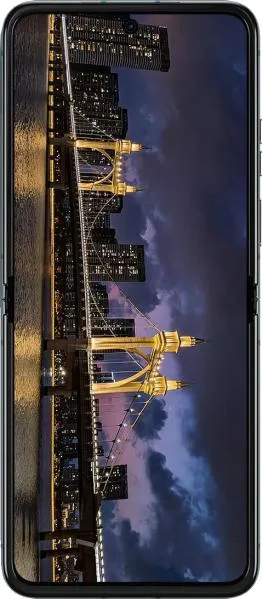
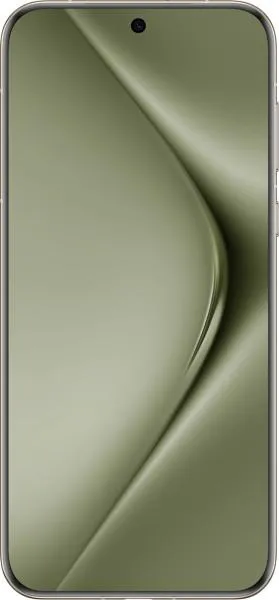
| Form Factor | Foldable | Standard | Razr offers portability and a unique form factor, potentially sacrificing durability. Pura offers a traditional, potentially more robust design. |
| Dimensions (mm) | 170.8 x 74 x 7 | 162.6 x 75.1 x 8.4 | Razr is significantly thinner when folded but taller unfolded. Pura is a larger, more standard-sized phone. |
| Weight (g) | 184.5 | 226 | Razr is noticeably lighter, improving one-handed use, especially when folded. |
| Display | |||
| Size (inches) | 6.9 | 6.8 | Negligible size difference in practical use. |
| Resolution | 1080 x 2640 | 1260 x 2844 | Pura has a slightly sharper display due to higher resolution. |
| Refresh Rate (Hz) | 165 | 120 | Razr's higher refresh rate provides smoother animations and scrolling. |
| Panel Type | Foldable LTPO AMOLED | LTPO OLED | Razr's foldable display allows for compact storage but introduces a potential crease and durability concerns. Pura utilizes a standard, potentially more durable OLED. |
| Peak Brightness (nits) | 1400 | 2500 | Pura's significantly higher peak brightness ensures better visibility in direct sunlight. |
| Performance | |||
| Chipset | Snapdragon 8+ Gen 1 | Kirin 9010 | Both are flagship-level chipsets from their respective release years, but the newer Snapdragon 8+ Gen 1 in the Razr likely offers better performance and efficiency. |
| CPU | Octa-core (1x3.19 GHz Cortex-X2 & 3x2.75 GHz Cortex-A710 & 4x1.80 GHz Cortex-A510) | Octa-core (1x2.3 GHz Taishan Big & 3x2.18 GHz Taishan Mid & 4x1.55 GHz Cortex-A510) | Razr's CPU boasts higher clock speeds, indicating superior performance in demanding tasks. |
| RAM (GB) | 8/12 | 16 | Pura's larger RAM enables better multitasking and app retention. |
| Camera | |||
| Main Camera (MP) | 12 | 50 | Pura's higher resolution main camera potentially captures more detail. |
| Ultrawide (MP) | 13 | 40 | Pura offers a higher resolution ultrawide lens. |
| Telephoto (MP) | N/A | 50 | Pura features a dedicated telephoto lens for optical zoom, absent in the Razr. |
| Sensor Size | Not specified for Razr | 1" (Main) | Pura's larger main sensor likely captures more light, improving low-light performance. |
| Battery | |||
| Capacity (mAh) | 3800 | 5200 | Pura offers significantly longer battery life due to its larger capacity. Foldable phones often have smaller batteries due to space constraints. |
2. Key Differences Analysis
Motorola Razr 40 Ultra Advantages:
- Portability: The foldable design offers unmatched portability.
- High Refresh Rate Display: Smoother user experience for scrolling and gaming.
- Newer Chipset: Potentially faster and more efficient performance.
Huawei Pura 70 Ultra Advantages:
- Larger Battery: Significantly longer battery life.
- Superior Camera System: Higher resolution sensors, larger sensor size, dedicated telephoto lens with optical zoom.
- Larger RAM: Improved multitasking capabilities.
- Brighter Display: Enhanced outdoor visibility.
Trade-offs:
- Razr: Portability comes at the cost of battery life and potential durability concerns associated with foldable displays.
- Pura: Larger size and weight compromise portability. Older chipset might show performance differences compared to newer generations.
3. User Profiles & Recommendations
Motorola Razr 40 Ultra: Ideal for users who prioritize portability and a unique form factor above all else. Suitable for light to moderate usage with a focus on style and convenience. Best for those constantly on the move who value a compact device.
Huawei Pura 70 Ultra: Suitable for users who prioritize performance, camera quality, and battery life. Excellent for power users, mobile photographers, and those who consume media heavily.
4. Decision Framework
Key Questions for Buyers:
- How important is portability? If ultimate portability is paramount, the Razr is the clear choice.
- What is your primary phone usage? Heavy users, gamers, and photographers will appreciate the Pura's larger battery, powerful performance, and superior camera system.
- What is your budget? The Razr is positioned in the "medium price" range, while the Pura is "high price".
Scenario-Based Recommendations:
- Frequent traveler: Razr for its compact size.
- Mobile photographer: Pura for its advanced camera system.
- Heavy user: Pura for its large battery and RAM.
My Choice: Huawei Pura 70 Ultra
While the Razr 40 Ultra's foldable design is intriguing, the Huawei Pura 70 Ultra better suits my needs. I prioritize a long-lasting battery, a strong camera system, and a smooth performance. The Pura 70 Ultra excels in these areas with its 5200 mAh battery, advanced camera setup including a telephoto lens and large sensor, and ample 16GB RAM coupled with a flagship Kirin processor. While the Razr offers a unique form factor, the potential durability concerns and smaller battery are significant trade-offs for me. The slightly older processor in the Pura is a consideration, but the overall package, including the superior camera and battery, makes it the more compelling choice. The brighter display is also a big plus for outdoor usage. Ultimately, the Pura 70 Ultra provides a more well-rounded and powerful smartphone experience that aligns better with my usage patterns.
