1. Specifications Comparison
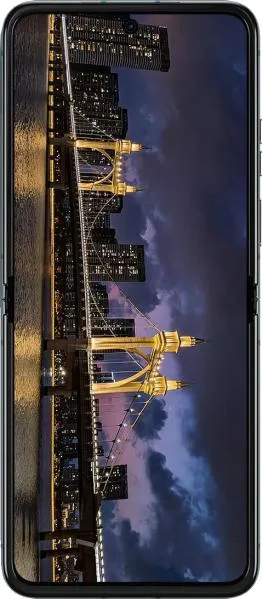
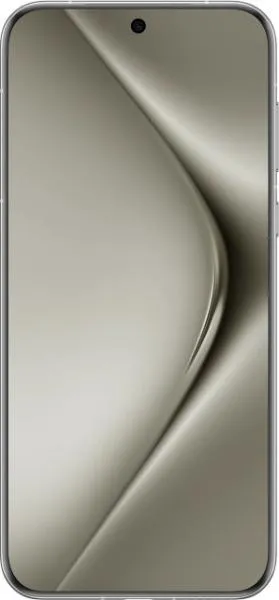
| Feature | Motorola Razr 40 Ultra | Huawei Pura 70 Pro | Practical Impact |
|---|---|---|---|
| Design | |||
| Dimensions (mm) | 170.8 x 74 x 7 | 162.6 x 75.1 x 8.4 | Razr 40 Ultra significantly thinner and slightly taller when unfolded, Pura 70 Pro more pocketable when folded due to Razr's clamshell design. |
| Weight (g) | 184.5 | 220 | Razr 40 Ultra noticeably lighter, reducing hand fatigue. |
| Foldable | Yes | No | Razr 40 Ultra offers greater portability and a unique form factor, potentially with durability trade-offs. |
| Display | |||
| Size (inches) | 6.9 | 6.8 | Negligible difference in screen real estate. |
| Resolution (px) | 1080 x 2640 | 1260 x 2844 | Pura 70 Pro has a slightly sharper display due to higher resolution and wider aspect ratio. |
| Refresh Rate (Hz) | 165 | 120 | Razr 40 Ultra provides smoother animations and scrolling. |
| Peak Brightness (nits) | 1400 | 2500 | Pura 70 Pro offers significantly better outdoor visibility. |
| Display Type | Foldable LTPO AMOLED | LTPO OLED | Razr 40 Ultra's foldable display allows for a smaller folded size but introduces a potential crease and durability concerns. Pura 70 Pro benefits from LTPO's power efficiency. |
| Performance | |||
| Chipset | Snapdragon 8+ Gen 1 (4 nm) | Kirin 9010 (7 nm) | Snapdragon 8+ Gen 1 generally offers better performance and efficiency compared to Kirin 9010. |
| CPU | Octa-core (1x3.19 GHz Cortex-X2 & 3x2.75 GHz Cortex-A710 & 4x1.80 GHz Cortex-A510) | Octa-core (1x2.3 GHz Taishan Big & 3x2.18 GHz Taishan Mid & 4x1.55 GHz Cortex-A510) | Razr 40 Ultra likely to have superior CPU performance based on clock speeds and core architecture. |
| GPU | Adreno 730 | Maleoon 910 | Adreno 730 generally provides stronger graphics performance than Maleoon 910. |
| RAM (GB) | 8/12 | 12 | Pura 70 Pro offers more RAM in the base configuration, potentially improving multitasking. Razr 40 Ultra also offers a 12GB RAM variant. |
| Camera | |||
| Main Camera (MP) | 12 | 50 | Pura 70 Pro boasts a higher resolution main sensor, potentially capturing more detail. Practical image quality depends on sensor size and processing. |
| Other Cameras | 13MP Wide Angle + Macro, 32MP Selfie | 12.5MP Wide Angle, 48MP Telephoto, 13MP Selfie | Pura 70 Pro offers a dedicated telephoto lens for optical zoom, providing versatility. Razr has a higher resolution selfie camera. |
| Battery | |||
| Capacity (mAh) | 3800 | 5050 | Pura 70 Pro has a significantly larger battery, likely translating to longer battery life. |
2. Key Differences Analysis
Motorola Razr 40 Ultra Advantages:
- Portability: The foldable design offers unmatched portability.
- Higher Refresh Rate Display: Smoother user experience for gaming and scrolling.
- Potentially Faster Performance: The Snapdragon 8+ Gen 1 typically outperforms the Kirin 9010.
Huawei Pura 70 Pro Advantages:
- Larger Battery: Significantly longer battery life.
- Brighter Display: Better visibility in direct sunlight.
- Sharper Display and Higher Resolution: More detailed visuals for media consumption.
- Versatile Camera System: Telephoto lens enables optical zoom and diverse photography options.
3. User Profiles & Recommendations
Motorola Razr 40 Ultra: Users who prioritize portability and a unique form factor above all else. Ideal for those who value a compact phone for easy carrying and are willing to compromise on battery life and camera versatility.
Huawei Pura 70 Pro: Users who prioritize battery life, camera versatility, and a bright, sharp display. Suitable for power users, photographers, and those who consume a lot of media on their phones.
4. Decision Framework
Key Questions for Buyers:
- How important is portability? A foldable phone like the Razr offers a unique advantage in pocketability.
- What is your primary phone usage? Heavy media consumption favors the Pura 70 Pro's display and battery.
- Is a cutting-edge form factor worth potential trade-offs? The Razr's foldable design may come with compromises in battery life and durability compared to a traditional slab phone.
My Choice: Huawei Pura 70 Pro
While the Razr 40 Ultra's foldable design is intriguing, the Huawei Pura 70 Pro better suits my needs. I prioritize battery life, camera versatility, and a great display for media consumption. The Pura 70 Pro's significantly larger battery, telephoto lens, and brighter, sharper display outweigh the Razr's portability advantage for me. The slightly older processor in the Pura is less of a concern to me than all-day battery life and a versatile camera system. While I appreciate innovation, I prefer a more established form factor with fewer potential compromises in durability and performance for day-to-day reliability.
