1. Specifications Comparison
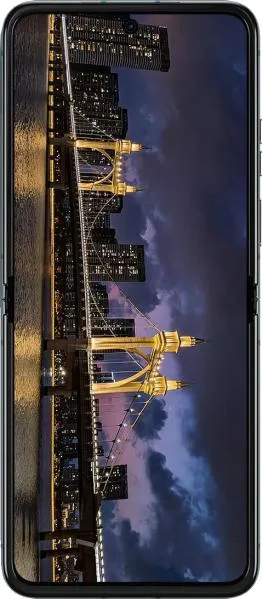
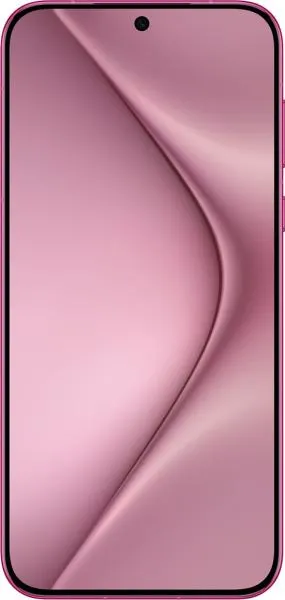
| Feature | Motorola Razr 40 Ultra | Huawei Pura 70 | Practical Impact |
|---|---|---|---|
| Design | |||
| Form Factor | Foldable | Standard | Razr offers portability and a smaller footprint when folded, Pura 70 provides a traditional smartphone experience. |
| Dimensions (mm) | 170.8 x 74 x 7 | 157.6 x 74.3 x 8 | Razr is significantly thinner when folded but taller unfolded. Pura 70 is a more standard size. |
| Weight (g) | 184.5 | 207 | Razr is noticeably lighter, important for portability and one-handed use. |
| Display | |||
| Display Type | Foldable LTPO AMOLED | LTPO OLED | Razr's folding display allows for a large screen in a compact device, but introduces a crease. Pura 70 has a standard, potentially more durable screen. |
| Size (inches) | 6.9 | 6.6 | Razr offers a larger screen for media consumption when unfolded. |
| Resolution | 1080 x 2640 | 1256 x 2760 | Pura 70 has a slightly sharper display (higher pixel density). |
| Refresh Rate (Hz) | 165 | 120 | Razr provides smoother scrolling and animations. |
| Peak Brightness (nits) | 1400 | 2500 | Pura 70 is significantly brighter, improving outdoor visibility. |
| Performance | |||
| Chipset | Snapdragon 8+ Gen 1 | Kirin 9000S1 | Both are high-end chipsets from their respective release years, but direct performance comparison is difficult without benchmark data. |
| CPU | Octa-core (detailed specs provided) | Octa-core (details lacking) | Razr's CPU details suggest a potential performance advantage, but real-world difference depends on optimization and specific tasks. |
| GPU | Adreno 730 | Maleoon 910 | GPU performance is unclear without benchmark data and clock speed for the Maleoon 910. |
| RAM (GB) | 8/12 | 12 | Pura 70 having 12GB RAM as standard suggests better multitasking and future-proofing. |
| Camera | |||
| Main Camera (MP) | 12 | 50 | Pura 70 has a significantly higher resolution main sensor, potentially capturing more detail. |
| Other Cameras | 13MP Wide + 32MP Selfie | 13MP Wide, 12MP Telephoto, 13MP Selfie | Pura 70 offers greater versatility with a dedicated telephoto lens. |
| Camera Features | OIS, 4K@60fps video | OIS, 3.5x Optical Zoom, 4K video, 960fps slow-mo | Pura 70 offers superior zoom capabilities and higher slow-motion recording. Razr specifications lack detail on slow-motion capabilities beyond "Yes, 120fps." |
| Battery | |||
| Capacity (mAh) | 3800 | 4900 | Pura 70 has a much larger battery, likely translating to significantly longer battery life. |
2. Key Differences Analysis
Motorola Razr 40 Ultra Advantages:
- Portability: The foldable design is the key differentiator, offering a large screen in a pocketable device.
- Higher Refresh Rate Display: Smoother scrolling and animations contribute to a more premium feel.
- Lighter Weight: More comfortable for extended use and one-handed operation.
Huawei Pura 70 Advantages:
- Larger Battery: Potentially much longer battery life.
- Brighter Display: Better outdoor visibility.
- More Versatile Camera System: Telephoto lens and higher resolution main sensor.
- More RAM: Better multitasking and future-proofing.
- USB 3.1 with DisplayPort: Faster data transfer and potential for desktop mode (depending on software support).
3. User Profiles & Recommendations
Motorola Razr 40 Ultra: Users who prioritize portability and a unique form factor over battery life and camera versatility. Ideal for those who value having a large screen available but need a compact device for carrying.
Huawei Pura 70: Users who prioritize battery life, camera quality, and performance. Suitable for photography enthusiasts, heavy users, and those who prefer a traditional smartphone experience.
4. Decision Framework
Key Questions:
- How important is portability? If pocketability is paramount, the Razr is the clear choice.
- What is your primary smartphone usage? Heavy users needing long battery life and a versatile camera will prefer the Pura 70.
- What is your budget and how do you value specific features? Both are mid-range, but consider the trade-offs between portability, battery life, camera, and display.
Scenario-based Recommendations:
- Frequent Traveler: Razr for its compact size.
- Photography Enthusiast: Pura 70 for its superior camera system.
- Heavy User: Pura 70 for its larger battery and RAM.
My Choice: Huawei Pura 70
While the Razr 40 Ultra's foldable design is appealing, the Pura 70's overall package is more compelling for my needs. The significantly larger battery, more versatile camera system with a telephoto lens, brighter display for outdoor use, and larger RAM capacity for future-proofing outweigh the benefits of the foldable form factor. While I appreciate the Razr's portability, I prioritize battery life, camera quality, and overall performance in a smartphone. The lack of detailed CPU/GPU information for the Pura 70 makes a definitive performance comparison difficult, but the provided specifications suggest the Pura 70 offers a more well-rounded and powerful experience for my usage.
