1. Specifications Comparison
| Feature | Motorola Razr 40 Ultra | Huawei nova 12i | Practical Impact |
|---|---|---|---|
| Design | |||
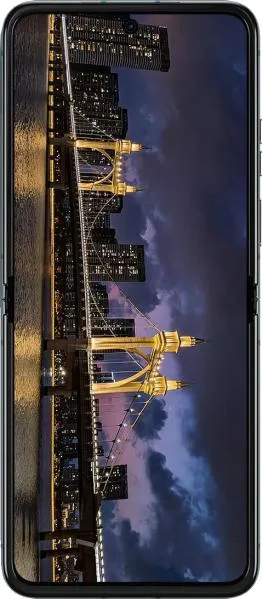
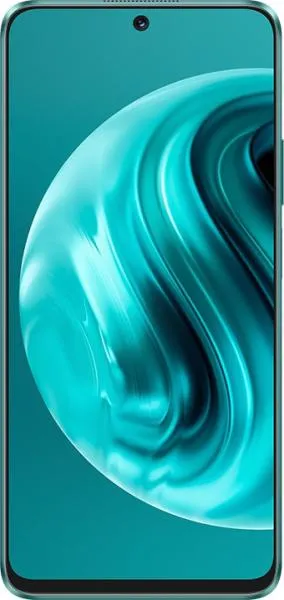
| Dimensions (mm) | 170.8 x 74 x 7 | 163.3 x 74.7 x 8.4 | Razr 40 Ultra significantly thinner due to foldable design, more pocketable when folded but potentially less comfortable for extended use when unfolded. Nova 12i is a more traditional candybar design. |
| Weight (g) | 184.5 | 199 | Razr 40 Ultra is lighter despite the complex folding mechanism. |
| Foldable | Yes | No | Razr's foldable design allows for a large screen in a compact form factor. Nova 12i offers a larger screen but sacrifices portability. |
| Display | |||
| Display Type | Foldable LTPO AMOLED | IPS LCD | Razr 40 Ultra offers superior contrast, deeper blacks, and potentially better power efficiency with LTPO. Nova 12i's LCD is generally less vibrant. |
| Display Size (inches) | 6.9 | 6.7 | Both offer large screens suitable for media consumption. Razr's folding capability differentiates it. |
| Refresh Rate (Hz) | 165 | 90 | Razr 40 Ultra will provide smoother animations and scrolling. |
| Resolution | 1080 x 2640 | 1080 x 2388 | Comparable sharpness despite slightly different aspect ratios. |
| Performance | |||
| Chipset | Snapdragon 8+ Gen 1 | Snapdragon 680 4G | Razr 40 Ultra boasts significantly more powerful CPU and GPU, resulting in much faster performance for demanding tasks and gaming. Nova 12i is suited for everyday tasks but will struggle with high-end gaming. |
| RAM (GB) | 8/12 | 8 | Razr 40 Ultra offers a 12GB RAM option, enabling better multitasking and smoother performance with demanding applications. |
| OS | Android 13 | Unspecified | We cannot compare OS experience without knowing the Huawei phone's OS version. |
| Camera | |||
| Main Camera (MP) | 12 | 108 | While the Nova 12i boasts higher megapixels, sensor size and image processing are crucial for image quality, which are not fully detailed here. Razr focuses on a faster aperture (f/1.5) potentially beneficial in low-light conditions. |
| Selfie Camera (MP) | 32 | 8 | Razr 40 Ultra has a significantly higher resolution selfie camera. |
| Video Capabilities | Up to 4K@60fps with HDR, EIS | 1080p@30fps | Razr 40 Ultra offers superior video recording capabilities with higher resolution, frame rates, and HDR support. |
| Battery | |||
| Capacity (mAh) | 3800 | 5000 | Nova 12i has a larger battery capacity, likely resulting in longer battery life. Foldable phones often have constraints on battery size. |
2. Key Differences Analysis
Motorola Razr 40 Ultra Advantages:
- Form Factor: The foldable design is unique and highly portable.
- Performance: Significantly more powerful processor for demanding tasks and gaming.
- Display: Superior display technology (AMOLED) with a higher refresh rate.
- Cameras: Faster aperture on the main lens and higher resolution selfie camera. More advanced video recording capabilities.
Huawei nova 12i Advantages:
- Battery Life: Larger battery capacity suggesting longer usage time.
- Price: Likely more affordable given the specifications and brand positioning.
3. User Profiles & Recommendations
Motorola Razr 40 Ultra: Users who value portability, cutting-edge technology, a premium display, strong performance, and are willing to pay a premium for a unique form factor. Suitable for professionals, content creators, and tech enthusiasts.
Huawei nova 12i: Budget-conscious users prioritizing battery life and basic smartphone functionality. Suitable for casual users primarily focused on communication, social media, and light content consumption.
4. Decision Framework
Key Questions for Buyers:
- Importance of portability and form factor? Foldable design a priority?
- Performance needs? Demanding apps, gaming, or just basic usage?
- Budget constraints? Premium vs. budget-friendly option?
Scenario-Based Recommendations:
- Frequent Traveler: Razr 40 Ultra for its compact size.
- Gamer: Razr 40 Ultra for its powerful hardware.
- Budget-conscious student: Huawei nova 12i for its affordability and long battery life.
My Choice: Motorola Razr 40 Ultra
While the Huawei nova 12i offers excellent battery life at a presumably lower price, the Motorola Razr 40 Ultra is the superior device overall. Its unique foldable design, combined with the flagship-level performance, stunning display, and advanced camera features, makes it a compelling choice. I prioritize portability and performance in a smartphone, and the Razr 40 Ultra delivers on both fronts. The higher refresh rate screen and stronger camera system also contribute significantly to a more premium user experience. While battery life might be a concern, I'm willing to compromise for the significant gains in other areas. The lack of specific OS details for the Nova 12i also hinders a complete comparison.
