1. Specifications Comparison
| Feature | Motorola Razr 40 Ultra | Honor X8b | Practical Impact |
|---|---|---|---|
| Design | |||
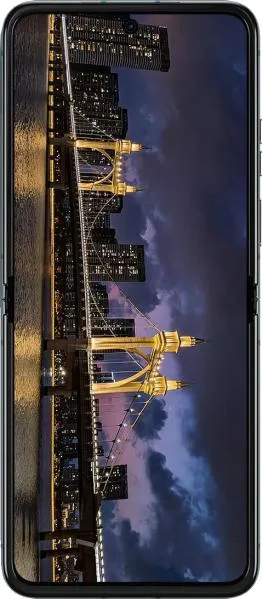
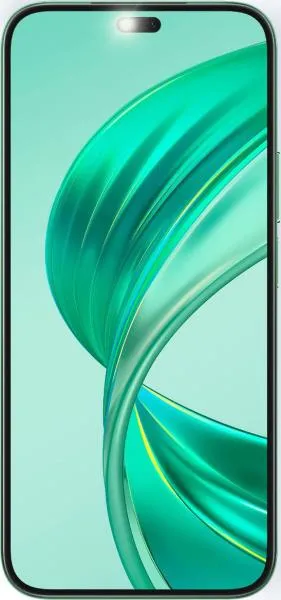
| Dimensions (mm) | 170.8 x 74 x 7 | 161.1 x 74.6 x 6.8 | Razr 40 Ultra significantly thinner due to foldable design; Honor X8b taller and slightly wider. Razr's thinness enhances portability when folded, but may feel fragile. X8b offers a more traditional form factor. |
| Weight (g) | 184.5 | 166 | Razr 40 Ultra slightly heavier. Weight difference negligible in practical use. |
| Foldable | Yes | No | Razr's foldable design offers unique portability and a smaller footprint when closed but introduces potential durability concerns and complexity. |
| Display | |||
| Display Type | Foldable LTPO AMOLED | AMOLED | Razr uses a cutting-edge foldable display allowing for a large screen in a compact device. Honor X8b features a standard, rigid AMOLED. |
| Size (inches) | 6.9 | 6.7 | Razr provides a larger main display for immersive content consumption. |
| Resolution | 1080 x 2640 | 1080 x 2412 | Similar resolutions result in comparable sharpness on both devices. Razr's slightly taller aspect ratio is better suited for scrolling web pages. |
| Refresh Rate (Hz) | 165 | 90 | Razr's higher refresh rate delivers smoother animations and scrolling, enhancing gaming and overall UI responsiveness. |
| Peak Brightness (nits) | 1400 | 2000 | Honor X8b boasts significantly higher peak brightness, ensuring better outdoor visibility. |
| Performance | |||
| Chipset | Snapdragon 8+ Gen 1 | Snapdragon 680 4G | Razr features a flagship chipset, significantly outperforming the Honor X8b in demanding tasks like gaming and multitasking. X8b's processor is sufficient for everyday use but will struggle with high-end applications. |
| CPU | Octa-core (up to 3.19 GHz) | Octa-core (up to 2.4 GHz) | Razr's superior CPU clock speeds provide noticeable performance advantages. |
| GPU | Adreno 730 | Adreno 610 | Razr's more powerful GPU offers a substantial advantage in graphics-intensive applications and games. |
| RAM (GB) | 8/12 | 6/8 | Both offer ample RAM for most users. Razr's 12GB option provides additional headroom for demanding multitasking. |
| Camera | |||
| Main Camera (MP) | 12 | 108 | Honor X8b boasts higher megapixel count. Image quality depends on factors beyond resolution including sensor size and processing, which are not fully detailed here. |
| Video Recording | Up to 4K@60fps with HDR, EIS | 1080p@30fps | Razr offers significantly better video recording capabilities with higher resolution, frame rates, and HDR support. |
| Battery | |||
| Capacity (mAh) | 3800 | 4500 | Honor X8b has a larger battery capacity, potentially offering longer battery life. However, Razr's more efficient processor may offset this difference. Real-world usage will vary. |
2. Key Differences Analysis
Motorola Razr 40 Ultra Advantages:
- Flagship Performance: Significantly faster processor and GPU for demanding tasks and gaming.
- Higher Refresh Rate Display: Smoother and more responsive user experience.
- Superior Video Recording: Higher resolution and frame rates with HDR.
- Foldable Design: Unique portability and form factor.
Honor X8b Advantages:
- Larger Battery Capacity: Potentially longer battery life.
- Higher Peak Brightness: Enhanced outdoor visibility.
- Lower Price: Offers good value for its features.
3. User Profiles & Recommendations
Motorola Razr 40 Ultra: Users who prioritize performance, a unique design, and cutting-edge technology, and are willing to pay a premium for it. Ideal for power users, content creators, and those who value portability.
Honor X8b: Budget-conscious users who prioritize battery life and a large display. Suitable for everyday tasks, social media, and casual gaming.
4. Decision Framework
Key Questions for Buyers:
- Is a foldable design a priority? If yes, the Razr is the only option.
- What is your budget? The Honor X8b offers better value for its price.
- What are your primary use cases? For demanding tasks, the Razr is superior. For basic use and long battery life, the X8b is sufficient.
My Choice: Motorola Razr 40 Ultra
While the Honor X8b offers excellent value, I would choose the Motorola Razr 40 Ultra. The significantly superior performance, smoother display, and advanced camera features outweigh the benefits of the X8b for my needs. The foldable design, while potentially introducing durability concerns, is a compelling feature that aligns with my preference for portability and innovative technology. I am willing to pay the premium for the flagship-level experience offered by the Razr. The compact size when folded is a significant advantage for me. While battery life is a consideration, I prioritize performance and a premium user experience.
