1. Specifications Comparison
| Feature | Motorola Razr 40 Ultra | Honor 200 | Practical Impact |
|---|---|---|---|
| Design | |||
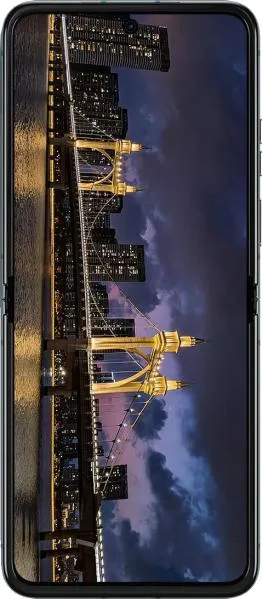
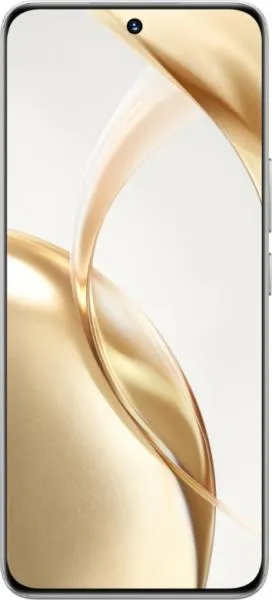
| Form Factor | Foldable | Standard | Razr 40 Ultra offers portability and a unique form factor, Honor 200 is a traditional slab phone. Foldable phones can be more compact for pockets but thicker when unfolded. |
| Dimensions (mm) | 170.8 x 74 x 7 | 161.5 x 74.6 x 7.7 | Razr 40 Ultra is significantly thinner when folded but taller when unfolded. Honor 200 offers a more standard size and feel. |
| Weight (g) | 184.5 | 187 | Negligible weight difference in practical use. |
| Display | |||
| Display Type | Foldable LTPO AMOLED | OLED | Razr 40 Ultra's foldable AMOLED offers vibrant colors and deep blacks, similar to the Honor 200's OLED. Durability of the folding screen is a concern. |
| Size (inches) | 6.9 | 6.7 | Razr 40 Ultra provides a slightly larger main screen. |
| Resolution | 1080 x 2640 | 1200 x 2664 | Honor 200 has a slightly sharper display due to higher pixel density. |
| Refresh Rate (Hz) | 165 | 120 | Razr 40 Ultra offers smoother scrolling and animations. Difference may not be noticeable for all users. |
| Peak Brightness (nits) | 1400 | 4000 | Honor 200's significantly higher peak brightness ensures better visibility in direct sunlight. |
| Performance | |||
| Chipset | Snapdragon 8+ Gen 1 | Snapdragon 7 Gen 3 | Razr 40 Ultra boasts a more powerful flagship chipset, resulting in faster performance for demanding tasks and gaming. |
| CPU | Octa-core (1x3.19 GHz Cortex-X2 & 3x2.75 GHz Cortex-A710 & 4x1.80 GHz Cortex-A510) | Octa-core (1x2.63 GHz Cortex-A715 & 4x2.4 GHz Cortex-A715 & 3x1.8 GHz Cortex-A510) | Razr 40 Ultra has a higher clock speed and a more powerful prime core, translating to better single-core performance. |
| GPU | Adreno 730 | Adreno 720 | Razr 40 Ultra offers superior graphics performance for gaming and graphically intensive applications. |
| RAM | 8GB | 12GB | Honor 200 has more RAM, enabling better multitasking and app switching. This can be beneficial for power users. |
| Camera | |||
| Main Camera (MP) | 12 | 50 | Honor 200 has a much higher resolution main sensor potentially capturing more detail. Image quality depends on many factors beyond resolution. |
| Front Camera (MP) | 32 | 50 | Honor 200 has a higher resolution selfie camera. |
| Video Capabilities | Up to 4K@60fps | Up to 4K@30fps | Razr 40 Ultra can record higher frame rate 4K video. |
| Battery | |||
| Capacity (mAh) | 3800 | 5200 | Honor 200 offers significantly longer battery life due to larger capacity. Folding screens tend to consume more power. |
2. Key Differences Analysis
Motorola Razr 40 Ultra Advantages:
- Form Factor: Unique foldable design for portability.
- Higher-End Performance: More powerful chipset and GPU for demanding tasks and gaming.
- Faster Refresh Rate: Smoother display experience.
Honor 200 Advantages:
- Larger Battery: Significantly longer battery life.
- Brighter Display: Better outdoor visibility.
- More RAM: Improved multitasking capabilities.
- Higher Resolution Cameras: Potential for more detailed photos (dependent on other factors).
3. User Profiles & Recommendations
Motorola Razr 40 Ultra: Users who prioritize portability and a unique form factor over battery life and raw performance. Ideal for those who value a compact phone for travel or carrying in pockets.
Honor 200: Users who prioritize battery life, display brightness, and overall value. Suitable for those who engage in heavy multitasking, media consumption, and photography.
4. Decision Framework
Key Questions for Buyers:
- How important is portability and a unique design? If paramount, the Razr 40 Ultra's foldable design is a strong contender.
- What is your typical usage pattern? Heavy users who require long battery life and multitasking capabilities might prefer the Honor 200.
- What is your budget? Consider the price difference and the features that are most important to you.
My Choice: Honor 200
While the Razr 40 Ultra offers a compelling foldable design and stronger performance, the Honor 200's significantly larger battery, brighter display, and more RAM make it a more practical choice for my needs. I prioritize battery life and a good viewing experience, especially outdoors. The higher resolution cameras on the Honor 200 are also appealing. The performance difference between the Snapdragon 8+ Gen 1 and Snapdragon 7 Gen 3, while noticeable in benchmarks, is unlikely to drastically impact my day-to-day usage. Finally, the price difference, while not substantial, further reinforces the Honor 200 as the better value proposition for me. The folding technology, while intriguing, is not worth the trade-offs in battery life and durability concerns for my personal use case.
