1. Specifications Comparison
| Feature | Motorola Razr 40 Ultra | Google Pixel Fold | Practical Impact |
|---|---|---|---|
| Design | |||
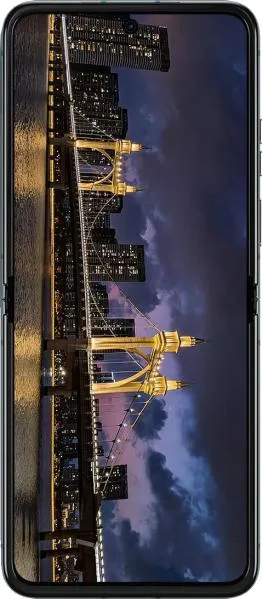
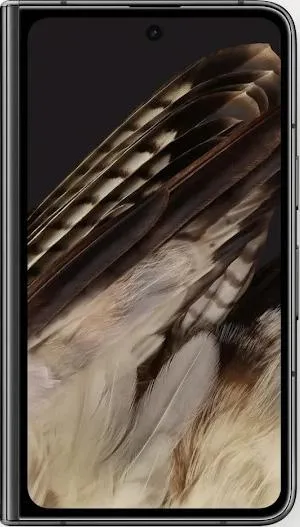
| Form Factor | Foldable Flip | Foldable Book | Razr offers a compact pocketable design when folded; Pixel Fold offers a larger tablet-like experience when unfolded. |
| Dimensions (mm) | 170.8 x 74 x 7 | 139.7 x 158.7 x 5.8 | Razr is significantly thinner and more compact when folded, but Pixel Fold is wider when unfolded. |
| Weight (g) | 184.5 | 283 | Razr is noticeably lighter, making it more comfortable for one-handed use and carrying. |
| Display | |||
| Main Display Size | 6.9" | 7.6" | Pixel Fold offers a larger main display for better multitasking and media consumption. |
| Main Display Resolution | 1080 x 2640 | 1840 x 2208 | Pixel Fold has a higher resolution, resulting in sharper text and images. |
| Main Display Refresh Rate | 165Hz | 120Hz | Razr's higher refresh rate provides smoother animations and scrolling, although the difference might not be noticeable for all users. |
| External Display Size | 3.6" | N/A | Razr's large external display allows for more interaction without unfolding the phone, a significant advantage for quick tasks. |
| Performance | |||
| Chipset | Snapdragon 8+ Gen 1 | Google Tensor G2 | Snapdragon 8+ Gen 1 generally offers higher benchmark performance, but Tensor G2 excels in AI and machine learning tasks. |
| CPU | Octa-core (1x3.19 GHz X2 & 3x2.75 GHz A710 & 4x1.80 GHz A510) | Octa-core (2x2.85 GHz X1 & 2x2.35 GHz A78 & 4x1.80 GHz A55) | Both are powerful CPUs; Snapdragon may have a slight edge in raw processing power, but real-world performance differences might be minimal. |
| RAM | 8GB/12GB | 12GB | Pixel Fold offers more RAM, potentially benefiting multitasking and demanding applications. |
| Camera | |||
| Main Camera | 12MP | 48MP | Pixel Fold has a significantly higher resolution main camera sensor. |
| Ultrawide | 13MP | 10.8MP | Similar ultrawide cameras, although Razr has slightly higher resolution. |
| Telephoto | No dedicated telephoto lens | 10.8MP (5x optical zoom) | Pixel Fold offers a dedicated telephoto lens for optical zoom, a significant advantage for photography versatility. |
| Battery | |||
| Capacity | 3800 mAh | 4821 mAh | Pixel Fold has a larger battery capacity, likely resulting in longer battery life. |
2. Key Differences Analysis
Motorola Razr 40 Ultra Advantages:
- Compactness and Portability: Significantly smaller and lighter when folded.
- Larger, More Functional External Display: Allows for many tasks without unfolding.
- Higher Refresh Rate Display: Potentially smoother scrolling and animations.
- Potentially Lower Price: Listed as "medium price" compared to Pixel Fold's "medium price", but real-world pricing may vary and should be checked.
Google Pixel Fold Advantages:
- Larger Main Display: Better for multitasking and media consumption.
- Higher Resolution Main Display: Sharper visuals.
- More RAM: Improved performance with demanding apps and multitasking.
- Superior Camera System: Higher resolution main sensor and dedicated telephoto lens with optical zoom.
- Larger Battery Capacity: Longer battery life.
- Google's Software and AI Integration: Pixel-exclusive features and timely updates.
3. User Profiles & Recommendations
Motorola Razr 40 Ultra: Ideal for users who prioritize portability and compactness above all else. Best for those who frequently use their phone one-handed and value quick access to notifications and basic tasks via the external display.
Google Pixel Fold: Suitable for users who want a larger screen for productivity and media consumption when unfolded, combined with a flagship-level camera system. Best for those who prioritize performance, photography, and a longer battery life.
4. Decision Framework
Key Questions for Buyers:
- Portability vs. Screen Size: Do you prioritize a compact phone that easily fits in your pocket or a larger screen for productivity and media?
- Camera Quality vs. Convenience: Is a top-tier camera system essential, or is a quick-access external display more important for your daily use?
- Price vs. Features: How much are you willing to spend for specific features like a telephoto lens, larger battery, or higher resolution display?
My Choice: Google Pixel Fold
While the Motorola Razr 40 Ultra's compact design and external display are compelling, I would choose the Google Pixel Fold. The larger, higher-resolution internal display, superior camera system with a telephoto lens, bigger battery, and more RAM are crucial factors for my usage. I prioritize a device that excels in productivity, photography, and offers a long-lasting battery. While the Pixel Fold is heavier and less pocketable, I find the benefits it offers in terms of overall functionality and user experience outweigh these drawbacks. The added benefit of Google's software integration and faster updates further solidifies my choice. The Razr would be a great option for someone prioritizing portability above all else, but for my needs, the Pixel Fold is a more complete and versatile device.
