1. Specifications Comparison
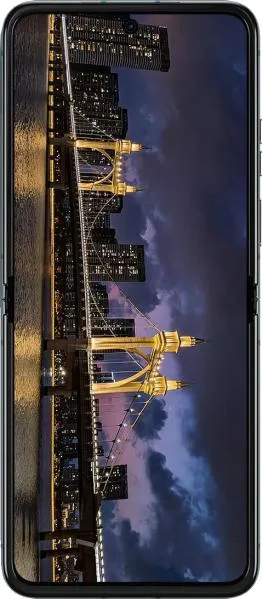
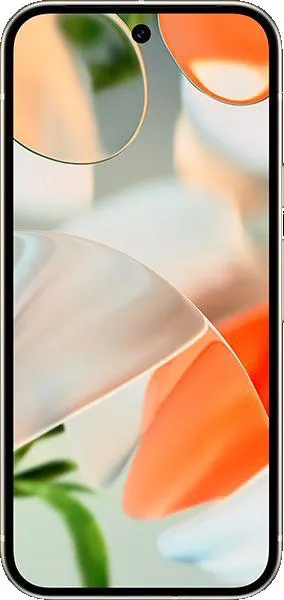
| Feature | Motorola Razr 40 Ultra | Google Pixel 9 | Practical Impact |
|---|---|---|---|
| Design | |||
| Form Factor | Foldable | Standard | Razr offers portability and a unique experience; Pixel 9 is a traditional slab design. |
| Dimensions (mm) | 170.8 x 74 x 7 (folded) | 152.8 x 72 x 8.5 | Razr is significantly more compact when folded, but thicker; Pixel 9 is thinner and easier to pocket when unfolded. |
| Weight (g) | 184.5 | 198 | Razr is lighter despite the folding mechanism. |
| Display | |||
| Display Type | Foldable LTPO AMOLED | OLED | Razr's foldable screen enables compact portability but introduces a crease; Pixel 9 offers a seamless, flat display. |
| Size (inches) | 6.9 | 6.3 | Razr provides a larger screen for media consumption; Pixel 9 is more one-hand friendly. |
| Resolution | 1080 x 2640 | 1080 x 2424 | Similar sharpness due to Pixel 9's slightly smaller screen size. |
| Refresh Rate (Hz) | 165 | 120 | Razr offers smoother scrolling and animations, though the difference might not be perceptible to all users. |
| Peak Brightness (nits) | 1400 | 2700 (peak) | Pixel 9 offers significantly higher peak brightness, improving outdoor visibility. |
| Performance | |||
| Chipset | Snapdragon 8+ Gen 1 | Google Tensor G4 | Both are powerful chips, but benchmarks would be needed to compare real-world performance differences. Tensor G4 is expected to be more optimized for AI tasks. |
| CPU | Octa-core (Cortex-X2, A710, A510) | Octa-core (Cortex-X4, A720, A520) | Pixel 9 has a newer CPU architecture potentially offering performance and efficiency improvements. |
| GPU | Adreno 730 | Mali-G715 MC7 | Gaming performance differences would require further benchmarking. Adreno GPUs generally have a stronger reputation for gaming. |
| RAM (GB) | 8 (in this variant) | 12 (in this variant) | Pixel 9 offers more RAM, enabling better multitasking and smoother performance with demanding apps. |
| Camera | |||
| Main Camera (MP) | 12 | 50 | Pixel 9 has a much higher resolution main sensor, potentially capturing more detail. |
| Ultrawide (MP) | 13 | 48 | Pixel 9 offers a higher resolution ultrawide sensor. |
| Selfie (MP) | 32 | 10.5 | Razr boasts a significantly higher resolution selfie camera. |
| DXOMARK Score | Not Available | 154 (Overall) | Pixel 9's camera has a quantifiable quality rating from DXOMARK, suggesting superior overall camera performance. |
| Video Capabilities | Up to 4K@60fps | Up to 4K@60fps, 1080p@240fps | Both offer similar core video features, but Pixel 9 supports higher frame rates for slow-motion video. |
| Battery | |||
| Capacity (mAh) | 3800 | 4700 | Pixel 9 has a significantly larger battery, likely leading to longer battery life. |
| USB Version | 2.0 | 3.2 | Pixel 9's USB 3.2 offers faster data transfer speeds. |
2. Key Differences Analysis
Motorola Razr 40 Ultra Advantages:
- Portability: The folding design provides unmatched portability.
- Unique Form Factor: Offers a distinctive user experience and nostalgic appeal.
- Higher Refresh Rate Display: Smoother animations and scrolling.
- Lighter Weight: Easier to hold and carry.
- Higher Resolution Selfie Camera: Better quality self-portraits.
Google Pixel 9 Advantages:
- Larger Battery: Significantly longer battery life.
- More Powerful Camera System: Higher resolution sensors, DXOMARK validated performance, and more advanced features.
- Newer, More Powerful Chipset & More RAM: Likely better performance and future-proofing.
- Brighter Display: Easier to view in direct sunlight.
- Faster Data Transfer: USB 3.2 provides quicker file transfer speeds.
3. User Profiles & Recommendations
Motorola Razr 40 Ultra: Ideal for users who prioritize portability and a unique smartphone experience. Suitable for those who value compactness over battery life and raw camera performance.
Google Pixel 9: Best suited for users prioritizing battery life, camera quality, and overall performance. Excellent for photography enthusiasts, power users, and those who prefer a traditional smartphone experience.
4. Decision Framework
Key Questions for Buyers:
- How important is portability? If ultimate portability is paramount, the Razr is the clear winner.
- What is your primary smartphone usage? Heavy photography/videography users will prefer the Pixel 9. Social media users who value selfies might favor the Razr.
- What is your budget and tolerance for compromises? Both are mid-range but offer different strengths and weaknesses.
My Choice: Google Pixel 9
While the Razr 40 Ultra's foldable design is intriguing, the Pixel 9's superior camera, larger battery, and potentially better performance based on the newer chipset make it a more compelling overall package for my needs. I prioritize battery life, a high-quality camera, and a smooth user experience, which the Pixel 9 seems to deliver more effectively. The faster data transfer speeds offered by USB 3.2 are also a significant advantage. While I appreciate the Razr's portability, I find the trade-offs in battery and camera performance too significant. The potential longevity provided by the newer hardware in the Pixel 9 also contributes to its appeal. Ultimately, the Pixel 9 better aligns with my personal priorities in a smartphone.
