1. Specifications Comparison
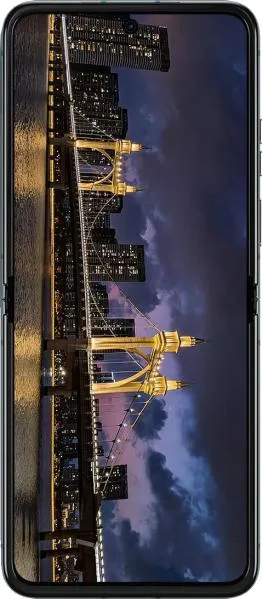
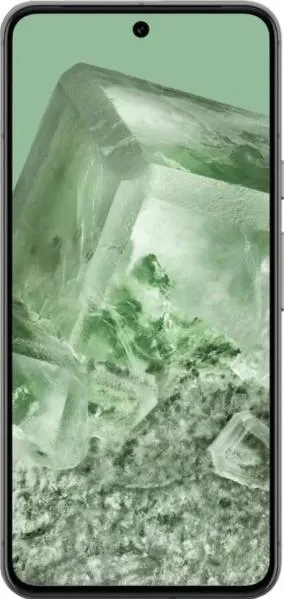
| Feature | Motorola Razr 40 Ultra | Google Pixel 8 | Practical Impact |
|---|---|---|---|
| Design | |||
| Form Factor | Foldable | Standard | Razr offers portability and a unique form factor, Pixel 8 is a traditional slab phone. |
| Dimensions (mm) | 170.8 x 74 x 7 | 150.5 x 70.8 x 8.9 | Razr is significantly thinner when folded but taller and wider when unfolded. Pixel 8 is more pocketable in its standard form. |
| Weight (g) | 184.5 | 187 | Negligible weight difference. |
| Display | |||
| Display Type | Foldable LTPO AMOLED | OLED | Razr's folding display allows for a larger screen in a smaller device, but introduces a crease. Pixel 8 offers a robust, flat display. |
| Size (inches) | 6.9 | 6.2 | Larger screen real estate on the Razr for media consumption and multitasking. |
| Resolution | 1080 x 2640 | 1080 x 2400 | Similar sharpness, but Razr is slightly taller. |
| Refresh Rate (Hz) | 165 | 120 | Smoother animations and scrolling on the Razr. |
| Peak Brightness (nits) | 1400 | 2000 | Pixel 8 offers significantly better outdoor visibility. |
| Performance | |||
| Chipset | Snapdragon 8+ Gen 1 | Google Tensor G3 | Both are high-end chipsets, but Tensor G3 is newer and focuses on AI capabilities. Performance differences likely minimal for average users. |
| CPU | Octa-core (1x3.19 GHz Cortex-X2 & 3x2.75 GHz Cortex-A710 & 4x1.80 GHz Cortex-A510) | Nona-core (1x3.0 GHz Cortex-X3 & 4x2.45 GHz Cortex-A715 & 4x2.15 GHz Cortex-A510) | Tensor G3 has a newer core architecture potentially offering better efficiency and performance in specific AI tasks. |
| GPU | Adreno 730 | Immortalis-G715s MC10 | Gaming performance should be comparable, though specific benchmarks are needed for definitive conclusions. |
| RAM (GB) | 8 (in this version) | 8 | Same RAM capacity in the compared versions. |
| Camera | |||
| Main Camera (MP) | 12 | 50 | Pixel 8 boasts higher resolution, potentially capturing more detail. |
| Ultrawide (MP) | 13 | 12 | Similar ultrawide capabilities. |
| Selfie (MP) | 32 | 10.8 | Razr has a much higher resolution selfie camera. |
| Video Capabilities | Up to 4K@60fps | Up to 4K@60fps | Comparable video recording capabilities on paper, but Pixel likely leverages superior computational photography for video processing. |
| Battery | |||
| Capacity (mAh) | 3800 | 4575 | Significantly larger battery in the Pixel 8, likely translating to longer battery life. |
2. Key Differences Analysis
Motorola Razr 40 Ultra Advantages:
- Foldable Design: Offers portability and a larger screen in a compact form.
- Higher Refresh Rate Display: Smoother user experience.
- Higher Resolution Selfie Camera: Better for video calls and self-portraits.
Google Pixel 8 Advantages:
- Larger Battery: Longer usage time between charges.
- Brighter Display: Enhanced outdoor visibility.
- Newer Chipset with AI Focus: Potentially better performance and efficiency in AI tasks.
- Superior Main Camera: Higher resolution and likely better image processing due to Google's computational photography prowess.
- Longer Software Support: Pixel phones receive longer OS and security updates.
3. User Profiles & Recommendations
Motorola Razr 40 Ultra: Users who prioritize portability and a unique form factor, value a large screen for media consumption on the go, and frequently use video chat.
Google Pixel 8: Users who prioritize battery life, camera quality, consistent performance, and prolonged software support. Good for users who prefer a traditional smartphone experience.
4. Decision Framework
Key Questions for Buyers:
- Form Factor Preference: Do you value the portability and novelty of a foldable phone, or prefer a traditional smartphone?
- Battery Life Importance: Is all-day battery life a critical requirement?
- Camera Usage: How important is camera quality and versatility for your daily usage?
My Choice: Google Pixel 8
While the Razr 40 Ultra's foldable design is intriguing, the Pixel 8's superior battery life, brighter display, more advanced camera system, and the promise of longer software updates make it a more compelling choice for me. I prioritize practicality and long-term value, and the Pixel 8 delivers in those areas. The Tensor G3's focus on AI also aligns with my interest in emerging technologies. While the folding screen is innovative, the crease and potential durability concerns outweigh the benefits for my personal use. The significantly brighter display of the Pixel 8 is a major advantage for outdoor use.
