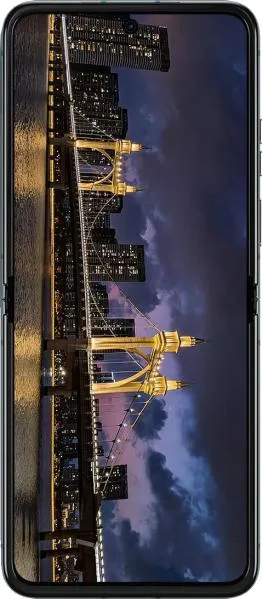
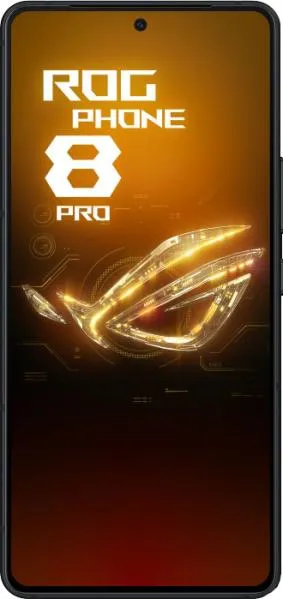
1. Specifications Comparison
| Feature | Motorola Razr 40 Ultra | Asus ROG Phone 8 Pro | Practical Impact |
|---|---|---|---|
| Design | |||
| Dimensions (mm) | 170.8 x 74 x 7 | 163.8 x 76.8 x 8.9 | Razr 40 Ultra is significantly thinner and more pocketable due to its foldable design, but wider when unfolded. ROG Phone 8 Pro is thicker and heavier, typical for a gaming phone. |
| Weight (g) | 184.5 | 225 | Razr 40 Ultra is noticeably lighter, making one-handed use easier, especially important for a foldable. ROG Phone 8 Pro's weight reflects its robust build and larger battery. |
| Foldable | Yes | No | Razr 40 Ultra offers a compact folded size for portability, expanding to a larger screen when needed. ROG Phone 8 Pro prioritizes a large, immersive display in a traditional form factor. |
| Display | |||
| Display Type | Foldable LTPO AMOLED | LTPO AMOLED | Both offer vibrant colors and deep blacks. Razr's foldable display introduces a crease but allows for a compact form factor. ROG Phone 8 Pro's LTPO panel enables dynamic refresh rate adjustment for power saving. |
| Size (inches) | 6.9 | 6.78 | Similar screen real estate, but achieved differently. Razr's unfolds to 6.9", while ROG Phone 8 Pro offers a consistently large display. |
| Resolution | 1080 x 2640 | 1080 x 2400 | Comparable sharpness despite different aspect ratios. Razr's taller aspect ratio is better for scrolling content, while ROG Phone 8 Pro's is more cinematic. |
| Refresh Rate (Hz) | 165 | 165 | Both offer smooth scrolling and gaming experiences with high refresh rates. |
| Peak Brightness (nits) | 1400 | 2500 | ROG Phone 8 Pro boasts significantly higher peak brightness, ensuring excellent outdoor visibility. Razr's peak brightness is good but may struggle in direct sunlight. |
| Performance | |||
| Chipset | Snapdragon 8+ Gen 1 | Snapdragon 8 Gen 3 | ROG Phone 8 Pro features a newer, more powerful chipset, leading to better performance in demanding tasks and gaming. |
| CPU | Octa-core (up to 3.19 GHz) | Octa-core (up to 3.3 GHz) | ROG Phone 8 Pro's CPU has a slight edge in clock speed, contributing to its overall performance advantage. |
| GPU | Adreno 730 | Adreno 750 | ROG Phone 8 Pro's newer GPU delivers superior graphics performance, crucial for high-end gaming and demanding applications. |
| RAM | 8GB/12GB | 16GB/24GB | ROG Phone 8 Pro offers significantly more RAM, enabling smoother multitasking and better handling of demanding applications and games. |
| Camera | |||
| Main Camera | 12MP | 50MP (Sony IMX890) | ROG Phone 8 Pro offers much higher resolution and a larger sensor (specified) likely resulting in better image quality, especially in low light. |
| Ultrawide | 13MP | 13MP | Similar ultrawide resolutions, detailed sensor specifications are missing to draw further comparisons. |
| Telephoto | N/A | 32MP | ROG Phone 8 Pro includes a dedicated telephoto lens for optical zoom, lacking in the Razr 40 Ultra. |
| Battery | |||
| Capacity (mAh) | 3800 | 6000 | ROG Phone 8 Pro boasts a substantially larger battery, translating to significantly longer battery life. Razr 40 Ultra's smaller battery is a compromise for its slim foldable design. |
2. Key Differences Analysis
Motorola Razr 40 Ultra Advantages:
- Portability: The foldable design offers unmatched portability.
- Lighter Weight: Easier for one-handed use.
- Unique Form Factor: Stylish and stands out from traditional smartphones.
Asus ROG Phone 8 Pro Advantages:
- Superior Performance: Newer, more powerful chipset, CPU, and GPU.
- Enhanced Gaming Experience: Higher refresh rate, touch sampling rate, and dedicated gaming features (not listed but typical for ROG phones).
- Longer Battery Life: Significantly larger battery capacity.
- Better Camera System: Higher resolution sensors, dedicated telephoto lens.
- More RAM: Smoother multitasking and handling of demanding tasks.
3. User Profiles & Recommendations
Motorola Razr 40 Ultra: Ideal for users who prioritize portability and style above all else. Best for those who value a compact phone for easy carrying and are willing to compromise on battery life and raw performance.
Asus ROG Phone 8 Pro: Perfect for mobile gamers, power users, and anyone who demands top-tier performance. Also suitable for users who consume a lot of media and need long battery life.
4. Decision Framework
Key Questions for Buyers:
- Portability vs. Performance: Which is more important to you – a compact, pocketable phone or a powerful device with long battery life?
- Gaming & Media Consumption: Do you play demanding mobile games or watch a lot of videos? If so, the ROG Phone 8 Pro is a better choice.
- Budget & Price Sensitivity: Consider the price difference between the two phones and whether the premium for the ROG Phone 8 Pro is justified for your needs.
My Choice: Asus ROG Phone 8 Pro
While I appreciate the innovative design and portability of the Razr 40 Ultra, the Asus ROG Phone 8 Pro better suits my needs. I prioritize performance, battery life, and a great camera. The ROG Phone 8 Pro's superior hardware, larger battery, and more versatile camera system make it a clear winner for me. Although I acknowledge the Razr's appeal for users prioritizing portability and style, the compromises in performance and battery life are too significant for my usage patterns. The ROG Phone 8 Pro's future-proof specifications and robust build quality further solidify my choice.
