1. Specifications Comparison
| Feature | Motorola Razr 40 Ultra | Apple iPhone 16 Pro Max | Practical Impact |
|---|---|---|---|
| Design | |||
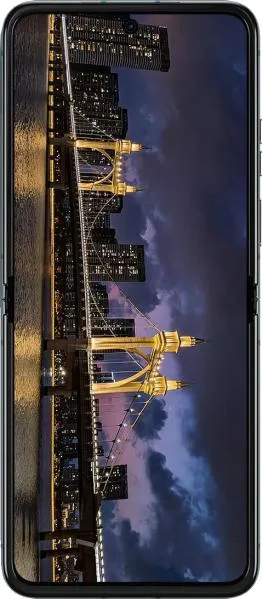
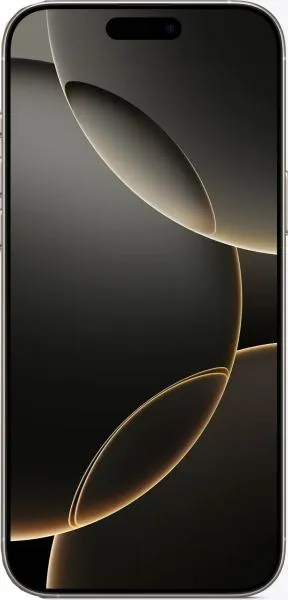
| Dimensions | 170.8 x 74 x 7 mm (folded) | 163 x 77.6 x 8.3 mm | Razr 40 Ultra significantly more compact when folded, but thicker when unfolded. iPhone offers a more traditional, slim form factor. |
| Weight | 184.5g | 227g | Razr 40 Ultra noticeably lighter, enhancing portability especially when folded. |
| Foldable | Yes | No | Razr's foldable design offers unique portability and a larger external display for quick interactions. iPhone offers a larger, uninterrupted internal display. |
| Display | |||
| Size | 6.9" | 6.9" | Both offer large displays for immersive content consumption. |
| Resolution | 1080 x 2640 px | 1320 x 2868 px | iPhone 16 Pro Max boasts a sharper display with higher pixel density (460 ppi vs 413 ppi), resulting in crisper text and images. |
| Refresh Rate | 165Hz | 120Hz | Razr 40 Ultra offers a smoother scrolling and gaming experience due to the higher refresh rate. |
| Display Type | Foldable LTPO AMOLED | LTPO Super Retina XDR OLED | Both use high-quality OLED panels with vibrant colors and deep blacks. iPhone's LTPO allows for more granular refresh rate control, potentially saving battery. |
| Peak Brightness | 1400 nits | 2000 nits | iPhone 16 Pro Max offers significantly higher peak brightness, ensuring better visibility in direct sunlight. |
| Performance | |||
| Chipset | Snapdragon 8+ Gen 1 (4nm) | Apple A18 Pro (3nm) | A18 Pro expected to be significantly more powerful based on Apple's historical performance gains and more advanced manufacturing process. |
| CPU | Octa-core (1x3.19 GHz Cortex-X2 & 3x2.75 GHz Cortex-A710 & 4x1.80 GHz Cortex-A510) | Hexa-core (2x4.05 GHz + 4x2.42 GHz) | A18 Pro's architecture and higher clock speeds likely provide a significant performance advantage in demanding tasks. |
| GPU | Adreno 730 | Apple GPU (6-core) | Apple's custom GPU design generally offers superior graphics performance compared to Adreno GPUs. |
| RAM | 8GB | 8GB | Both have sufficient RAM for multitasking, but performance differences will likely stem from chipset and software optimization. |
| Camera | |||
| Rear Cameras | 12MP Main, 13MP Ultrawide | 48MP Main, 48MP Ultrawide, 12MP Telephoto, ToF 3D | iPhone 16 Pro Max offers a more versatile camera system with a higher resolution main sensor, telephoto lens, and a dedicated depth sensor. |
| Front Camera | 32MP | 12MP | Razr has a higher resolution front camera, but image quality depends on factors beyond resolution. |
| Video | Up to 4K@60fps | Up to 4K@120fps | iPhone capable of higher frame rate video recording for smoother slow-motion footage. |
| Battery | |||
| Capacity | 3800mAh | 4685mAh | iPhone 16 Pro Max has a significantly larger battery, potentially offering longer battery life. However, foldable displays often consume more power. |
2. Key Differences Analysis
Motorola Razr 40 Ultra Advantages:
- Portability: The foldable design provides unmatched portability.
- External Display: Larger external display allows for more functionality without unfolding.
- Higher Refresh Rate Display: Smoother scrolling and animations.
- Lighter weight: Easier to carry and handle.
Apple iPhone 16 Pro Max Advantages:
- Performance: Significantly more powerful processor and graphics.
- Camera System: More versatile with higher resolution sensors and telephoto capabilities.
- Battery Life: Potentially longer battery life due to larger battery capacity.
- Sharper Display: Higher resolution and peak brightness for superior visual experience.
- Software & Ecosystem: iOS known for its optimization, security, and app ecosystem.
Trade-offs:
- Foldability vs. Durability: Razr's foldability sacrifices some durability and screen real-estate compared to the robust, single-screen design of the iPhone.
- Innovation vs. Refinement: Razr pushes boundaries with its form factor, while iPhone focuses on refining a proven design.
3. User Profiles & Recommendations
Motorola Razr 40 Ultra: Ideal for users who prioritize portability and appreciate the novelty of a foldable phone. Best suited for those who value compact size and quick access to notifications on the external display.
Apple iPhone 16 Pro Max: Ideal for users who prioritize performance, camera quality, and a seamless software experience. Suitable for power users, content creators, mobile gamers, and those heavily invested in the Apple ecosystem.
4. Decision Framework
Key Questions for Buyers:
- Form Factor Priority: Do you prioritize ultimate portability and a unique design (Razr) or a larger, more durable traditional smartphone (iPhone)?
- Performance Needs: Do you require top-tier processing power for demanding tasks and gaming (iPhone), or is a good level of performance sufficient (Razr)?
- Budget & Ecosystem: Are you on a tighter budget and open to Android (Razr), or are you willing to pay a premium for Apple's ecosystem and features (iPhone)?
My Choice: Apple iPhone 16 Pro Max
While the Razr 40 Ultra's foldable design is intriguing, the iPhone 16 Pro Max's superior performance, camera system, and expected battery life are more aligned with my priorities. I value a smooth, powerful user experience, and the iPhone consistently delivers in these areas. Additionally, the higher resolution display and increased brightness are significant advantages for media consumption and outdoor use. Although the Razr offers a unique form factor, the potential durability concerns and the price difference make the iPhone 16 Pro Max a more compelling choice for me in the long run. The robust app ecosystem and software support offered by Apple further solidify my decision.
