1. Specifications Comparison
| Feature | Motorola Razr 40 Ultra | Apple iPhone 16 Pro | Practical Impact |
|---|---|---|---|
| Design | |||
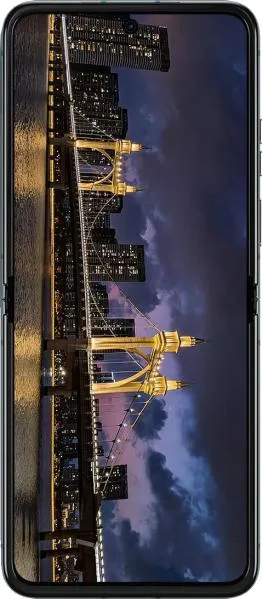
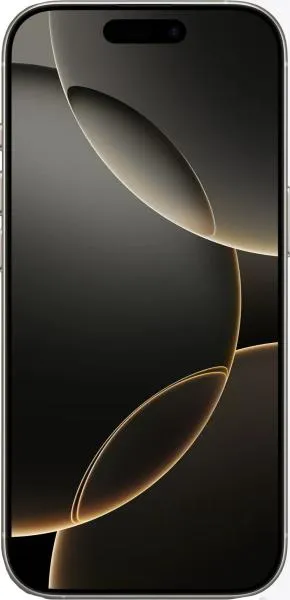
| Dimensions (mm) | 170.8 x 74 x 7 | 149.6 x 71.5 x 8.3 | Razr 40 Ultra is taller and thinner when unfolded, but significantly more compact when folded. iPhone 16 Pro is a traditional slab design. Foldability offers portability advantages but may introduce durability concerns. |
| Weight (g) | 184.5 | 199 | Razr 40 Ultra is lighter despite the larger main display. |
| Foldable | Yes | No | Razr's foldability allows for a larger screen in a smaller form factor when closed. |
| Display | |||
| Display Type | Foldable LTPO AMOLED | LTPO Super Retina XDR OLED | Both offer high-quality OLED displays with excellent color and contrast. LTPO allows for dynamic refresh rate adjustment, saving battery. |
| Display Size (inches) | 6.9 | 6.3 | Razr 40 Ultra provides a significantly larger main screen for immersive content consumption. |
| Refresh Rate (Hz) | 165 | 120 | Razr 40 Ultra's higher refresh rate results in smoother animations and scrolling. |
| Peak Brightness (nits) | 1400 | 2000 | iPhone 16 Pro offers significantly higher peak brightness, improving outdoor visibility. |
| Performance | |||
| Chipset | Snapdragon 8+ Gen 1 | Apple A18 Pro | Both are flagship chipsets offering top-tier performance. A18 Pro is expected to be more powerful based on Apple's historical performance gains. |
| CPU | Octa-core (1x3.19 GHz Cortex-X2 & 3x2.75 GHz Cortex-A710 & 4x1.80 GHz Cortex-A510) | Hexa-core (2x4.05 GHz + 4x2.42 GHz) | Both CPUs are powerful, but architectural differences make direct comparisons difficult. Real-world performance will depend on optimization. |
| GPU | Adreno 730 | Apple GPU (6-core) | Similar to CPU, both are high-end GPUs, but cross-platform comparisons are difficult without benchmarks. |
| RAM (GB) | 8 | 8 | Both phones have the same amount of RAM. |
| Camera | |||
| Main Camera (MP) | 12 | 48 | iPhone 16 Pro boasts a higher resolution main sensor, potentially capturing more detail. |
| Other Cameras | 13MP Wide Angle + Macro, 32MP Selfie | 48MP Ultrawide, 12MP Telephoto, ToF 3D, 12MP Selfie | iPhone 16 Pro offers a more versatile camera system with a dedicated telephoto lens and ToF sensor for depth sensing. |
| Video Capabilities | Up to 4K@60fps with HDR, EIS | Up to 4K@120fps with HDR, Stereo Sound | iPhone offers higher frame rate video recording capabilities and stereo sound recording. |
| Battery | |||
| Capacity (mAh) | 3800 | 3582 | Razr 40 Ultra has a slightly larger battery capacity. However, real-world battery life depends on various factors including software optimization and display usage. |
2. Key Differences Analysis
Motorola Razr 40 Ultra Advantages:
- Foldability and Portability: The unique selling point is its compact size when folded.
- Larger Main Display: Offers a more immersive experience for media consumption.
- Lighter Weight: Easier to hold and carry.
- Higher Refresh Rate: Smoother user interface.
Apple iPhone 16 Pro Advantages:
- Expected Superior Performance: A18 Pro chip likely offers a performance advantage.
- Brighter Display: Better visibility outdoors.
- More Versatile Camera System: Telephoto lens and advanced features enhance photography.
- Robust Software Ecosystem: iOS is known for its stability and app optimization.
- Faster USB Type: USB 3.2 Gen 2 allows for faster data transfer speeds compared to Razr's USB 2.0
3. User Profiles & Recommendations
Motorola Razr 40 Ultra: Ideal for users who prioritize portability and a large screen for media consumption on the go, and value a unique form factor. Best for social media enthusiasts, content consumers who stream videos or play games on their phone frequently, and users who value a compact device.
Apple iPhone 16 Pro: Suitable for users who demand top-tier performance, a premium camera system, and a seamless software experience. Best for power users, photographers/videographers, and those invested in the Apple ecosystem.
4. Decision Framework
Key Questions:
- Form Factor Priority: Is a foldable design with a compact folded size a high priority?
- Performance Needs: Is peak processing power crucial for demanding tasks or gaming?
- Ecosystem Preference: Is there a strong preference for Android or iOS?
Scenario-Based Recommendations:
- Frequent Traveler: Razr 40 Ultra's portability might be more appealing.
- Mobile Photographer: iPhone 16 Pro's camera system is likely superior.
- Power User: iPhone 16 Pro's expected performance edge makes it a better choice.
My Choice: Apple iPhone 16 Pro
While the Razr 40 Ultra's foldable design is intriguing, the iPhone 16 Pro's overall package is more compelling for my needs. I prioritize performance, a versatile camera system, and a stable software experience. The expected performance gains of the A18 Pro chip, the superior camera capabilities including the telephoto lens, and the brighter display outweigh the Razr's advantages in portability and refresh rate for me. Although I appreciate the innovation in the Razr's form factor, the iPhone 16 Pro better suits my use case as a power user who values a robust and reliable device for productivity and content creation. Furthermore, the faster USB standard on the iPhone is important for quicker data transfer and backups.
