1. Specifications Comparison
| Feature | Motorola Razr 40 Ultra | Apple iPhone 16 Plus | Practical Impact |
|---|---|---|---|
| Design | |||
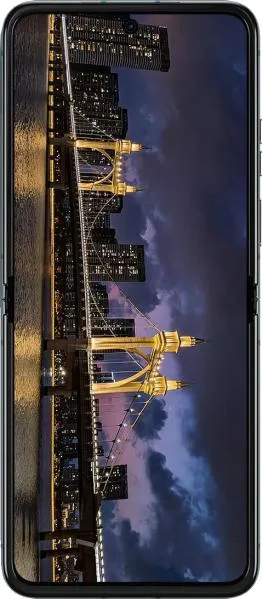
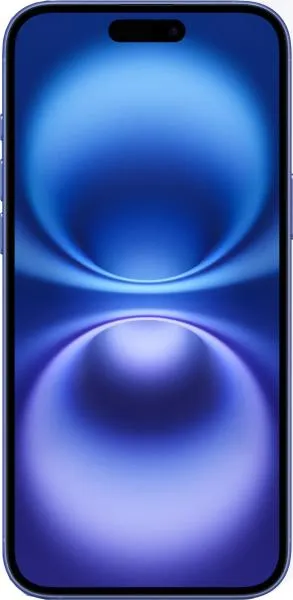
| Form Factor | Foldable | Standard | Razr offers portability and a unique form factor; iPhone prioritizes a classic, larger screen experience. |
| Dimensions (mm) | 170.8 x 74 x 7 | 160.9 x 77.8 x 7.8 | Razr is significantly more compact when folded, but larger unfolded. iPhone is thinner overall. |
| Weight (g) | 184.5 | 199 | Razr is lighter despite the folding mechanism. |
| Display | |||
| Display Type | Foldable LTPO AMOLED | Super Retina XDR OLED | Both offer excellent color and contrast, but Razr's folding capability introduces a crease and potential durability concerns. |
| Size (inches) | 6.9 | 6.7 | Razr offers a larger screen when unfolded, iPhone provides a consistently large display. |
| Resolution (px) | 1080 x 2640 | 1290 x 2796 | iPhone has a sharper display with higher pixel density (460 ppi vs 413 ppi). |
| Refresh Rate (Hz) | 165 | Not specified | Razr's higher refresh rate delivers smoother animations and scrolling; impact on iPhone unknown due to missing spec. |
| Peak Brightness (nits) | 1400 | 2000 | iPhone's significantly higher peak brightness improves outdoor visibility. |
| Performance | |||
| Chipset | Snapdragon 8+ Gen 1 | Apple A18 | Both are flagship chipsets, but the newer A18 in the iPhone is expected to offer superior performance and efficiency. |
| CPU | Octa-core (1x3.19 GHz Cortex-X2 & 3x2.75 GHz Cortex-A710 & 4x1.80 GHz Cortex-A510) | Hexa-core (2x4.04 GHz + 4x2.20 GHz) | Specific core configurations suggest both will handle demanding tasks, but Apple's architecture often leads to better single-core performance. |
| GPU | Adreno 730 | Apple GPU (5-core) | Both GPUs are powerful; real-world gaming and graphics performance will depend on optimization for each platform. |
| RAM (GB) | 8 | 8 | Both phones have ample RAM for multitasking. |
| Camera | |||
| Main Camera (MP) | 12 | 48 | iPhone has a significantly higher resolution main sensor potentially capturing more detail. |
| Ultrawide (MP) | 13 | 12 | Similar ultrawide capabilities, though sensor size and lens quality details are missing. |
| Selfie (MP) | 32 | 12 | Razr boasts a higher resolution selfie camera. |
| Video Capabilities | Up to 4K@60fps with HDR, EIS | Up to 4K@60fps with HDR, Stereo Sound, Cinematic Mode | Both offer excellent video recording capabilities. iPhone adds Cinematic Mode for shallow depth of field effects. |
| Battery | |||
| Capacity (mAh) | 3800 | 4674 | iPhone has a significantly larger battery capacity, likely resulting in longer battery life. |
2. Key Differences Analysis
Motorola Razr 40 Ultra Advantages:
- Portability: The foldable design makes it incredibly compact when closed.
- Unique Form Factor: The flip phone nostalgia and external display offer a distinctive user experience.
- Higher Refresh Rate Display: Smoother scrolling and animations compared to iPhone (assuming iPhone's refresh rate is standard 60Hz).
- Lighter Weight: Easier to carry and handle despite the complex folding mechanism.
Apple iPhone 16 Plus Advantages:
- Larger Battery: Potentially significantly longer battery life.
- More Powerful Chipset: Expected superior performance and efficiency with the A18 Bionic chip.
- Sharper Display: Higher resolution and pixel density for clearer visuals.
- Brighter Display: Better outdoor visibility.
- Advanced Camera Features: Higher resolution main camera sensor and features like Cinematic Mode.
- Robust Software Support: Apple's long-term software updates provide extended device lifespan.
3. User Profiles & Recommendations
Motorola Razr 40 Ultra: Ideal for users who prioritize portability and a unique, compact design. Suitable for those who value having a phone that easily fits in a pocket or small bag and appreciate the novelty of a foldable device.
Apple iPhone 16 Plus: Best suited for users who prefer a classic smartphone experience with a large screen, long battery life, and top-tier performance. Excellent for power users, gamers, content creators, and those who rely heavily on their phones throughout the day.
4. Decision Framework
Key Questions for Buyers:
- Form Factor Priority: Do you value ultimate portability and a unique design (Razr) or a traditional large-screen experience (iPhone)?
- Performance Needs: Do you require the absolute best performance for demanding tasks and gaming (iPhone), or is a good level of performance sufficient (Razr)?
- Budget and Ecosystem: Which price point aligns with your budget, and do you have a preference for the Android or iOS ecosystem?
My Choice: Apple iPhone 16 Plus
While the Razr 40 Ultra's foldable design is intriguing, the iPhone 16 Plus offers a more well-rounded package for my needs. The significantly larger battery, more powerful processor (A18 Bionic), sharper and brighter display, and advanced camera features are compelling advantages. Apple's long-term software support ensures a longer device lifespan. Although I acknowledge the Razr's portability benefits, I prioritize performance, battery life, and a consistently large screen for productivity and media consumption. The expected price difference, while significant, is justified by these advantages for my personal use case.
