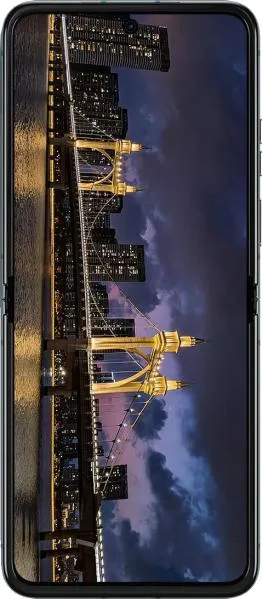
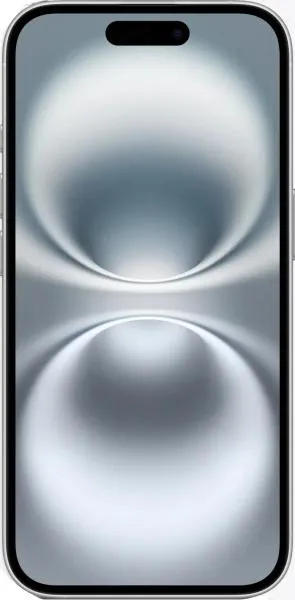
1. Specifications Comparison
| Feature | Motorola Razr 40 Ultra | Apple iPhone 16 | Practical Impact |
|---|---|---|---|
| Design | |||
| Dimensions (mm) | 170.8 x 74 x 7 | 147.6 x 71.6 x 7.8 | Razr 40 Ultra is taller and wider when unfolded, significantly thinner when folded. iPhone 16 is more pocketable in a traditional sense. |
| Weight (g) | 184.5 | 170 | Razr 40 Ultra is noticeably heavier. |
| Foldable | Yes | No | Razr 40 Ultra offers a larger screen in a smaller folded size, but with added complexity and potential durability concerns. |
| Display | |||
| Display Type | Foldable LTPO AMOLED | Super Retina XDR OLED | Both offer excellent color accuracy and contrast. Razr's folding capability introduces a crease and potential durability issues. |
| Size (inches) | 6.9 | 6.1 | Razr 40 Ultra provides a significantly larger screen area for multitasking and media consumption when unfolded. |
| Resolution (px) | 1080 x 2640 | 1179 x 2556 | iPhone 16 has a slightly higher pixel density (460 vs 413 ppi), resulting in sharper text and images, but the difference is negligible in real-world use. |
| Refresh Rate (Hz) | 165 | Not specified | Higher refresh rate on the Razr 40 Ultra results in smoother animations and scrolling. Missing iPhone 16 refresh rate information hinders direct comparison. |
| Peak Brightness (nits) | 1400 | 2000 | iPhone 16's higher peak brightness ensures better visibility in direct sunlight. |
| Performance | |||
| Chipset | Snapdragon 8+ Gen 1 | Apple A18 | Both are flagship chipsets from their respective release years, promising excellent performance. A18 being a newer generation chip likely offers performance advantages. |
| CPU | Octa-core (1x3.19 GHz Cortex-X2 & 3x2.75 GHz Cortex-A710 & 4x1.80 GHz Cortex-A510) | Hexa-core (2x4.04 GHz + 4x2.20 GHz) | Direct CPU comparison is difficult due to architectural differences. Both should handle demanding tasks with ease. |
| GPU | Adreno 730 | Apple GPU (5-core) | Apple's custom GPUs are generally highly optimized. Real-world gaming and graphics performance needs further benchmarking. |
| RAM (GB) | 8 | 8 | Both phones offer sufficient RAM for smooth multitasking. |
| Camera | |||
| Main Camera (MP) | 12 | 48 | iPhone 16's higher resolution main camera potentially captures more detail. Pixel binning on the iPhone allows for improved low-light performance. |
| Ultrawide (MP) | 13 | 12 | Comparable ultrawide cameras. |
| Selfie (MP) | 32 | 12 | Razr 40 Ultra boasts a significantly higher resolution selfie camera. |
| Video | Up to 4K@60fps with HDR, EIS | Up to 4K@60fps with HDR, Stereo Sound | Both offer high-quality video recording. iPhone 16 potentially offers better audio recording with stereo sound. |
| Battery | |||
| Capacity (mAh) | 3800 | 3561 | Razr 40 Ultra has a slightly larger battery. Real-world battery life depends on usage patterns and software optimization. Foldable displays often consume more power. |
2. Key Differences Analysis
Motorola Razr 40 Ultra Advantages:
- Larger, Foldable Display: Offers a significantly larger screen real estate for multitasking and media consumption in a compact folded size.
- Higher Resolution Selfie Camera: Better suited for high-quality video calls and self-portraits.
- Higher Refresh Rate: Smoother animations and scrolling.
Apple iPhone 16 Advantages:
- Likely Superior Performance: Newer A18 Bionic chip likely outperforms the Snapdragon 8+ Gen 1.
- Brighter Display: Enhanced outdoor visibility.
- Potentially Better Main Camera Image Quality: Higher resolution sensor with pixel binning for improved detail and low-light performance.
- More Mature Software Ecosystem: iOS is known for its stability and app optimization.
3. User Profiles & Recommendations
Motorola Razr 40 Ultra: Users who prioritize a large screen in a compact device, value the novelty of a foldable phone, and frequently use the front-facing camera.
Apple iPhone 16: Users who prioritize overall performance, a refined software experience, a bright display for outdoor use, and a high-quality main camera.
4. Decision Framework
Key Questions for Buyers:
- Form Factor: Do you prioritize portability (iPhone 16) or a large screen in a compact device (Razr 40 Ultra)?
- Operating System: Do you prefer Android's flexibility or iOS's simplicity and ecosystem?
- Budget: Considering the price difference and features, which offers better value for your needs?
My Choice: Apple iPhone 16
While the Razr 40 Ultra's foldable design is intriguing, the iPhone 16's expected superior performance, brighter display, and likely better main camera image quality make it a more compelling choice for me. iOS's mature ecosystem and long-term software support are also significant factors. I prefer a traditional smartphone form factor and value consistent performance over the novelty of a foldable device. The potential durability concerns and crease on foldable displays are also deterrents. The iPhone 16 offers a more well-rounded package for my needs.
