1. Specifications Comparison
| Feature | Motorola Razr 40 Ultra | Apple iPhone 15 Pro Max | Practical Impact |
|---|---|---|---|
| Design | |||
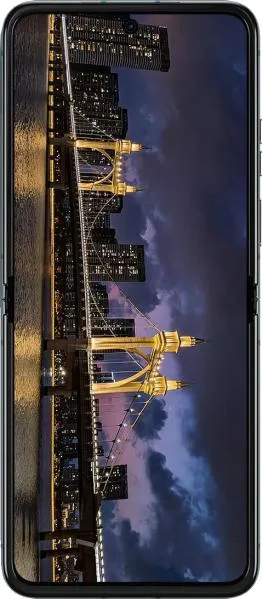
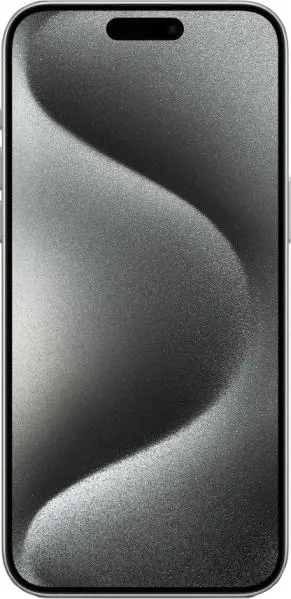
| Form Factor | Foldable | Standard | Razr offers portability and a unique form factor, iPhone prioritizes a classic, robust design. |
| Dimensions (mm) | 170.8 x 74 x 7 | 159.9 x 76.7 x 8.3 | Razr is significantly thinner when folded but taller unfolded. iPhone is more pocketable in its standard form. |
| Weight (g) | 184.5 | 221 | Razr is noticeably lighter, reducing hand fatigue. |
| Display | |||
| Display Type | Foldable LTPO AMOLED | LTPO Super Retina XDR OLED | Both offer excellent color accuracy and contrast. Razr's folding capability provides a larger screen in a smaller device. iPhone's display is known for its brightness and clarity. |
| Size (inches) | 6.9 | 6.7 | Razr offers a larger main screen for media consumption when unfolded. |
| Resolution | 1080 x 2640 | 1290 x 2796 | iPhone has a sharper display with higher pixel density. |
| Refresh Rate (Hz) | 165 | 120 | Razr offers smoother scrolling and animations, though both are high refresh rate displays. |
| Peak Brightness (nits) | 1400 | 2000 | iPhone's display is significantly brighter, improving outdoor visibility. |
| Performance | |||
| Chipset | Snapdragon 8+ Gen 1 | Apple A17 Pro | Both are flagship chipsets offering top-tier performance. A17 Pro is expected to lead in benchmarks due to its newer architecture and manufacturing process. |
| CPU | Octa-core (1x3.19 GHz Cortex-X2 & 3x2.75 GHz Cortex-A710 & 4x1.80 GHz Cortex-A510) | Hexa-core (2x3.78 GHz + 4x2.11 GHz) | A17 Pro's architecture and higher clock speeds likely translate to faster processing in demanding tasks. |
| GPU | Adreno 730 | Apple GPU (6-core) | Apple's custom GPU typically excels in graphics-intensive applications and gaming. Quantitative comparison is difficult without benchmarks. |
| RAM (GB) | 8 | 8 | Both offer ample RAM for multitasking. |
| OS | Android 13 | iOS 17 | OS preference is subjective. Android offers more customization, while iOS is known for its simplicity and tighter ecosystem. |
| Camera | |||
| Main Camera (MP) | 12 | 48 | iPhone boasts higher resolution, potentially capturing more detail. Pixel binning on the iPhone allows for improved low-light performance. |
| Ultrawide (MP) | 13 | 12 | Comparable ultrawide cameras. |
| Telephoto (MP) | N/A | 12 | iPhone offers optical zoom capabilities missing on the Razr. |
| Selfie (MP) | 32 | 12 | Razr has a significantly higher resolution front-facing camera. |
| Video | Up to 4K@60fps | Up to 4K@60fps with Dolby Vision | Both offer high-quality video recording. iPhone supports Dolby Vision for enhanced dynamic range in videos. |
| Battery | |||
| Capacity (mAh) | 3800 | 4421 | iPhone has a larger battery, potentially offering longer battery life. Foldable phones often have compromises in battery capacity due to space constraints. |
2. Key Differences Analysis
Motorola Razr 40 Ultra Advantages:
- Portability: The foldable design significantly reduces size when closed.
- Lighter Weight: Easier to hold and carry for extended periods.
- Higher Refresh Rate Display: Smoother animations and scrolling.
- Unique Form Factor: Appeals to users seeking novelty and a compact device.
- Potentially Lower Price: Listed as "medium price" compared to iPhone's "high price".
Apple iPhone 15 Pro Max Advantages:
- Superior Performance: A17 Pro chip offers cutting-edge processing power.
- Brighter Display: Better visibility in direct sunlight.
- Sharper Display: Higher resolution for crisper images and text.
- Advanced Camera System: Higher resolution main sensor, telephoto lens with optical zoom, and Dolby Vision video recording.
- Larger Battery: Potentially longer usage time between charges.
- Stronger Ecosystem: Seamless integration with other Apple devices and services.
3. User Profiles & Recommendations
Motorola Razr 40 Ultra:
- Ideal User: Style-conscious individuals prioritizing portability and a unique design. Users who value a large screen but want a compact device when not in use.
- Use Cases: Social media, content consumption on the go, casual photography.
Apple iPhone 15 Pro Max:
- Ideal User: Power users demanding top-tier performance, a best-in-class camera, and a premium mobile experience. Users heavily invested in the Apple ecosystem.
- Use Cases: Demanding mobile gaming, professional photography and videography, productivity tasks, content creation.
4. Decision Framework
Key Questions for Buyers:
- Form Factor Priority: Is a foldable design with its portability benefits crucial, or is a traditional smartphone preferred?
- Performance Needs: Are demanding applications and games a priority, or is moderate performance sufficient?
- Budget Constraints: Is the higher price of the iPhone 15 Pro Max justified by its premium features?
Scenario-Based Recommendations:
- For a user prioritizing portability and style on a budget: The Razr 40 Ultra is a compelling option.
- For a user who values top-tier performance, camera quality, and longevity within the Apple ecosystem: The iPhone 15 Pro Max is the clear winner.
My Choice: Apple iPhone 15 Pro Max
While the Razr 40 Ultra offers a compelling foldable design, the iPhone 15 Pro Max's superior performance, camera system, brighter and sharper display, and larger battery outweigh the benefits of foldability for me. The robust build quality and integration with the Apple ecosystem further solidify my choice. I prioritize a long-lasting device with top-tier capabilities, making the iPhone 15 Pro Max the better investment in the long run. The price difference is significant, but the value proposition of the iPhone aligns more closely with my needs and priorities.
