1. Specifications Comparison
| Feature | Motorola Razr 40 Ultra | Apple iPhone 15 Pro | Practical Impact |
|---|---|---|---|
| Design | |||
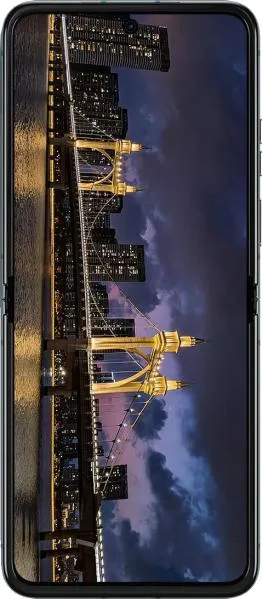
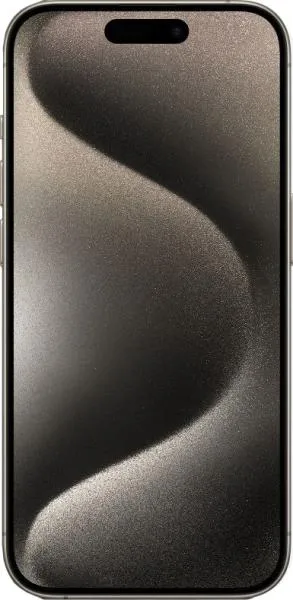
| Dimensions (mm) | 170.8 x 74 x 7 | 146.6 x 70.6 x 8.3 | Razr 40 Ultra is taller and thinner when unfolded, significantly more compact when folded. iPhone 15 Pro is a traditional slab phone. Foldability offers portability but potential durability concerns. |
| Weight (g) | 184.5 | 187 | Negligible weight difference in practical use. |
| Foldable | Yes | No | Razr's foldability allows for pocketability and a larger screen in a smaller form factor. |
| Display | |||
| Display Size (inches) | 6.9 | 6.1 | Razr offers a significantly larger screen for media consumption and multitasking when unfolded. |
| Resolution (px) | 1080 x 2640 | 1179 x 2556 | Similar pixel density (PPI) despite the size difference, resulting in comparable sharpness. Razr's taller aspect ratio is better for scrolling, while iPhone's is closer to cinematic. |
| Refresh Rate (Hz) | 165 | 120 | Razr's higher refresh rate provides smoother animations and scrolling, though the difference might not be noticeable to all users. |
| Display Type | Foldable LTPO AMOLED | LTPO Super Retina XDR OLED | Both are high-quality OLED displays with excellent color accuracy and contrast. iPhone's "Super Retina XDR" branding suggests higher peak brightness, confirmed by the specs (2000 vs 1400 nits). This results in better visibility in direct sunlight for the iPhone. |
| Peak Brightness (nits) | 1400 | 2000 | iPhone's significantly higher peak brightness ensures superior outdoor visibility. |
| Performance | |||
| Chipset | Snapdragon 8+ Gen 1 | Apple A17 Pro | A17 Pro is likely more powerful and efficient due to newer 3nm architecture. Expect faster performance and potentially better battery life on the iPhone. |
| CPU | Octa-core (1x3.19 GHz Cortex-X2 & 3x2.75 GHz Cortex-A710 & 4x1.80 GHz Cortex-A510) | Hexa-core (2x3.78 GHz + 4x2.11 GHz) | A17 Pro's architecture and higher clock speeds likely result in superior single-core and multi-core performance. |
| GPU | Adreno 730 | Apple GPU (6-core) | Apple's custom GPU is generally considered a leader in mobile graphics performance. Expect smoother gaming and faster graphics rendering on the iPhone. |
| RAM (GB) | 8/12 | 8 | Both phones offer sufficient RAM for demanding tasks. The 12GB option on the Razr might offer slightly better multitasking performance in extreme scenarios. |
| Camera | |||
| Main Camera (MP) | 12 | 48 | iPhone boasts a higher resolution main sensor potentially capturing more detail. However, megapixels alone don't determine image quality. |
| Camera Features | OIS, Ultra Stable Video | OIS, Cinematic Mode, Pro Video Mode | iPhone offers more advanced video recording capabilities with Cinematic Mode and Pro Video Mode. Both have OIS for stable footage. |
| Battery | |||
| Battery Capacity (mAh) | 3800 | 3274 | Razr has a larger battery capacity, but real-world battery life depends heavily on usage and software optimization. iPhone's A17 Pro chip's efficiency could offset its smaller battery. |
2. Key Differences Analysis
Motorola Razr 40 Ultra Advantages:
- Foldable Design: Offers unparalleled portability and a larger screen in a compact form factor.
- Larger Display: Provides a more immersive experience for media consumption and multitasking.
- Higher Refresh Rate: Smoother animations and scrolling.
- Larger Battery: Potentially longer battery life, though real-world usage will vary.
Apple iPhone 15 Pro Advantages:
- Superior Performance: A17 Pro chip delivers faster processing and graphics rendering.
- Advanced Camera Features: Cinematic Mode, Pro Video Mode, and a higher resolution main sensor provide greater creative control for video recording.
- Brighter Display: Significantly better outdoor visibility.
- Mature Ecosystem: iOS known for its stability, security, and app optimization.
Trade-offs:
- Foldability vs Durability: Razr's folding design offers portability but raises concerns about long-term durability compared to the robust iPhone.
- Screen Size vs Pocketability: Razr's larger screen requires a trade-off in pocketability when unfolded.
3. User Profiles & Recommendations
Motorola Razr 40 Ultra: Ideal for users who prioritize portability and a large screen for media consumption and multitasking on the go. Suitable for those who value a unique and innovative design.
Apple iPhone 15 Pro: Ideal for users who demand top-tier performance, prioritize a high-quality camera for photography and videography, and value the stability and app ecosystem of iOS. Suitable for power users and creative professionals.
4. Decision Framework
Key Questions for Buyers:
- How important is portability and a large screen? If paramount, the Razr is the clear choice.
- What is your budget and how much do you value performance? The iPhone 15 Pro commands a premium price for its superior performance.
- What is your preferred operating system and ecosystem? Consider app availability, privacy preferences, and overall user experience.
My Choice: Apple iPhone 15 Pro
While the Razr 40 Ultra's foldable design is undeniably appealing, the iPhone 15 Pro's superior performance, advanced camera capabilities, brighter display, and the robust iOS ecosystem make it a more compelling choice for my needs. I prioritize a smooth and powerful user experience, high-quality photography and videography, and a device with proven long-term reliability. The price premium is justified by these advantages for me. While I appreciate the Razr's innovative design, I am concerned about the potential durability issues associated with foldable phones and the compromises in performance compared to the iPhone 15 Pro.
